Why You Don't Always Have to Hike 10 Miles to Kill Big Bulls
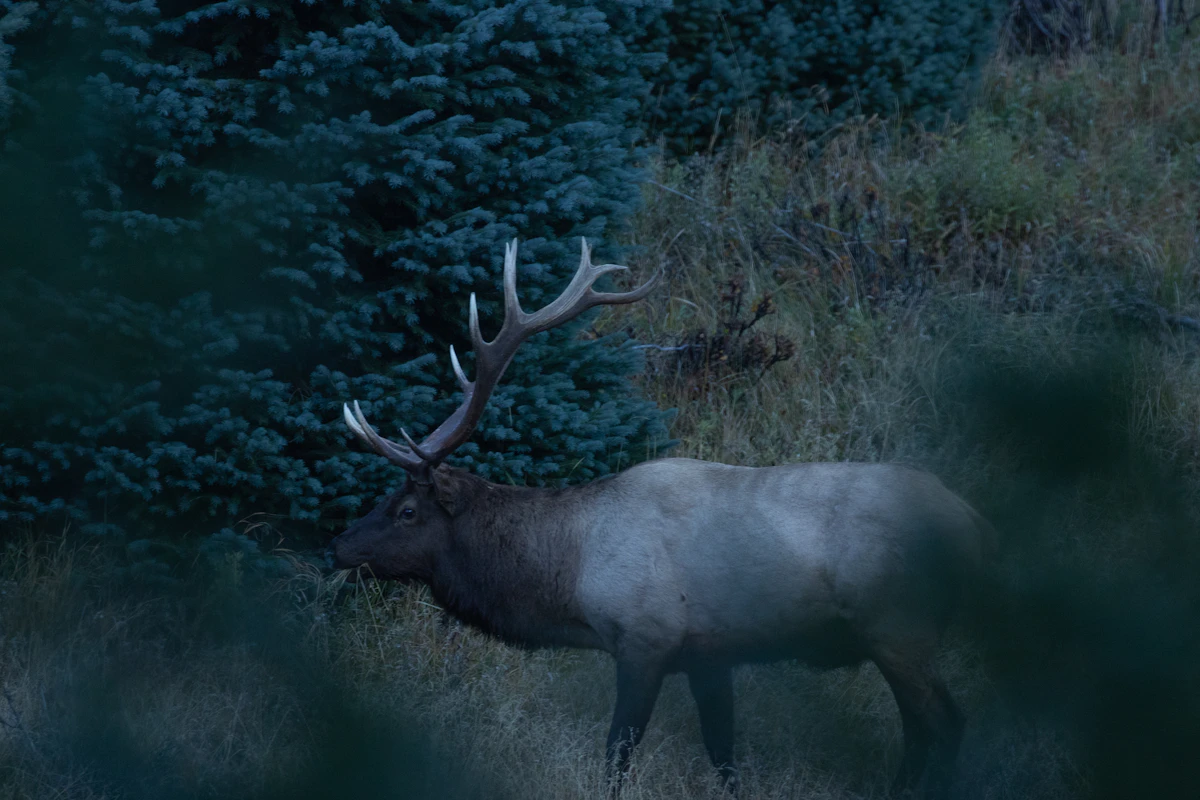
The backcountry-or-bust mentality has become gospel in elk hunting circles. Scroll through any forum or social media feed and you'll find the same advice repeated until it feels like law: the big bulls live where nobody else will go, so lace up and start walking. But here's the uncomfortable truth that experienced hunters rarely broadcast — some of the largest bulls killed each year fall within two miles of a road.
This isn't about luck. It's about understanding elk behavior, hunting pressure dynamics, and terrain features that most hunters walk right past.
The Mythology of Deep Wilderness Bulls
The idea that mature bulls exclusively inhabit roadless wilderness took hold decades ago, and it contains a kernel of truth. Heavy hunting pressure absolutely pushes elk into escape cover. In units with high hunter density and easy motorized access, the correlation between distance from roads and bull quality often holds.
But hunters have overcorrected. The pendulum swung so far that many now assume proximity to a road automatically means inferior hunting. They pile into trailheads at 4 AM, hike past perfectly good habitat for hours, and compete with dozens of like-minded hunters who all read the same advice.
Meanwhile, the guy who hunted a nasty sidehill 800 yards from the highway — the spot everyone drives past — tagged a 340-inch bull opening morning.
When Accessible Country Holds Big Bulls
Several factors determine whether close-in habitat produces mature bulls:
Terrain difficulty trumps distance. A half-mile of brutal deadfall, thick timber, or cliffy sidehills creates more effective barriers than five miles of open ridgeline. Bulls don't measure distance from roads — they respond to hunting pressure. If the terrain between them and hunters is miserable enough, they'll bed 400 yards from the parking lot.
Private land buffers change everything. Units with checkerboard private/public ownership often hold big bulls on accessible public parcels. The surrounding private ground absorbs pressure and provides sanctuary. Hunters who assume "close to the road" means "pressured" miss these opportunities entirely.
Hunter psychology creates dead zones. Most hunters either commit to deep backcountry trips or hunt the obvious spots within a mile of camp. The in-between ground — requiring real effort but not a multi-day commitment — often sees surprisingly little pressure. Two to three miles from a trailhead frequently gets less attention than the first mile or the wilderness boundary.
Late season concentrates elk. Post-rut and winter bulls prioritize energy conservation over escape. South-facing slopes, thermal cover, and remaining feed near roads often hold mature bulls that would be miles deep during September. Some of the best late-season bulls fall within sight of plowed highways.
The Overlooked Spots That Hold Quality Bulls
If you want to find close-in bulls, start by identifying terrain features that create psychological or physical barriers:
Nasty Timber Pockets
Dense lodgepole regeneration, blowdown tangles, and dark timber patches rarely see boot traffic. Hunters naturally gravitate toward open ridges and glassable basins. The bull bedded in the jungle 600 yards off the road watches them walk past every morning.
Awkward Access Points
That pullout with no established trail? The fence crossing that requires crawling through barbed wire? The access that involves wading a creek? Most hunters subconsciously avoid minor inconveniences. These friction points create low-pressure pockets immediately adjacent to roads.
Wrong Side of the Road
In many units, one side of the highway receives ten times the pressure of the other — usually because of a trailhead, a reputation, or simple visibility. The forgotten slope across the road often holds undisturbed elk.
Private Land Adjacencies
Public parcels bordered by private ranches inherit the sanctuary effect. Bulls move freely between ownerships but spend much of their time on the unpressured private ground. Hunt the public edges during feeding and travel times.
Hunting Close-In Country Without Competing
The strategy for accessible bulls differs fundamentally from backcountry hunting:
Hunt the fringes of time. First and last light matter more when you're close to roads. Bulls tolerate proximity to human activity during darkness but vanish at dawn. Being in position before legal shooting light isn't optional — it's the whole game.
Embrace the ugly. If you're comfortable, you're probably in the wrong spot. The close-in bulls that survive season after season do so because their bedding areas are genuinely awful to hunt. Accept the blowdown, the thorns, and the zero-visibility timber.
Pressure awareness is everything. Know when other hunters arrive, where they go, and how elk respond. Sometimes the best strategy is letting the morning rush push bulls toward your position. Other times, you need to be set up before anyone else leaves camp.
Stay mobile. Backcountry hunters commit to areas for days. Close-in hunting allows rapid adjustments. If pressure moves elk, relocate. If you find a dead zone, exploit it until the pattern changes.
Matching Strategy to Unit Characteristics
Not every unit offers quality close-in opportunities. Using TAGZ hunt planning tools, you can analyze unit characteristics that predict accessible bull potential:
- Road density: Counterintuitively, moderate road density sometimes beats roadless wilderness. Roads fragment hunter distribution and create the awkward in-between zones that hold unpressured bulls.
- Private land percentage: Units with 30-50% private ownership often produce excellent road-accessible public hunting.
- Terrain ruggedness: Steep, timbered units maintain quality hunting close to roads because the terrain itself limits pressure.
- Hunter density: Units with low success rates and declining popularity often hold more mature bulls than their statistics suggest — hunters simply don't hunt them effectively.
Comparing draw odds across similar units reveals patterns in hunter behavior that smart applicants exploit.
The Backcountry Still Matters
None of this means deep wilderness hunting is obsolete. Roadless areas absolutely hold mature bulls, and for hunters who enjoy the solitude and challenge, nothing replaces a week in the backcountry.
But treating the 10-mile hike as mandatory for quality bulls costs hunters opportunities. Some of the best elk hunters I know rarely camp more than a mile from their trucks. They've simply learned to find and hunt the close-in spots that everyone else ignores.
The goal isn't minimizing effort — it's maximizing effectiveness. Sometimes that means a brutal pack-out from the wilderness boundary. Sometimes it means dragging a bull downhill to a road you can almost see from the kill site.
Applying This to Your Hunt Planning
Before your next application cycle, reconsider units you've dismissed as "too accessible." Study road networks, terrain features, and private land boundaries. Look for the awkward spots, the ugly timber, the wrong sides of valleys.
Then actually hunt those places. Leave the trailhead crowds behind, skip the five-mile warm-up hike, and focus on the country that serious hunters overlook.
The bulls are closer than the internet wants you to believe. The question is whether you're willing to hunt where no one else will — even when that spot is half a mile from your truck.
For unit-by-unit analysis and draw odds data to identify overlooked opportunities, explore TAGZ pricing options and start building your strategy around how elk actually behave, not how hunting culture says they should.
FAQ — Hunting Big Bulls Close to Roads
Do mature bulls really live close to roads?
Yes. Mature bulls respond to hunting pressure, not GPS coordinates. Difficult terrain, thick cover, and psychological barriers near roads often provide better security than distance alone.
What makes close-in spots hold unpressured elk?
Nasty terrain features — blowdown, dense timber, cliffy sidehills — create effective barriers. Private land buffers, awkward access points, and the "wrong side" of popular areas also concentrate bulls in overlooked spots.
When is close-in hunting most effective?
Late season produces the best close-in opportunities as bulls prioritize energy conservation over escape distance. However, overlooked pockets near roads can hold bulls throughout the season.
How do I find these overlooked spots?
Study terrain features that create physical or psychological barriers to hunter access. Look for dense timber pockets, private land adjacencies, and access points that require minor inconveniences most hunters avoid.
Should I stop hunting the backcountry entirely?
No. Roadless wilderness holds quality bulls and offers unmatched solitude. The point is matching strategy to conditions rather than defaulting to "hike deep" regardless of unit characteristics.
How does hunter density affect close-in bull survival?
High hunter density pushes bulls into escape cover, which can be surprisingly close to roads if terrain features provide security. Low-density units may hold mature bulls in more exposed locations simply because pressure never forces them to relocate.
Was this article helpful?
Previous
The Biggest Mistakes Hunters Make Looking for Elk
From glassing the wrong terrain to bugling at the wrong time, elk hunters repeatedly make predictable mistakes that cost them opportunities. Learn the most common errors and how to fix them before your next hunt.
Next
How to Find Overlooked Elk Hunting Areas That Other Hunters Miss
Most hunters crowd the same accessible units while pockets of quality elk habitat go virtually untouched. Here's a systematic approach to finding those overlooked areas using draw data, mapping tools, and on-the-ground scouting.