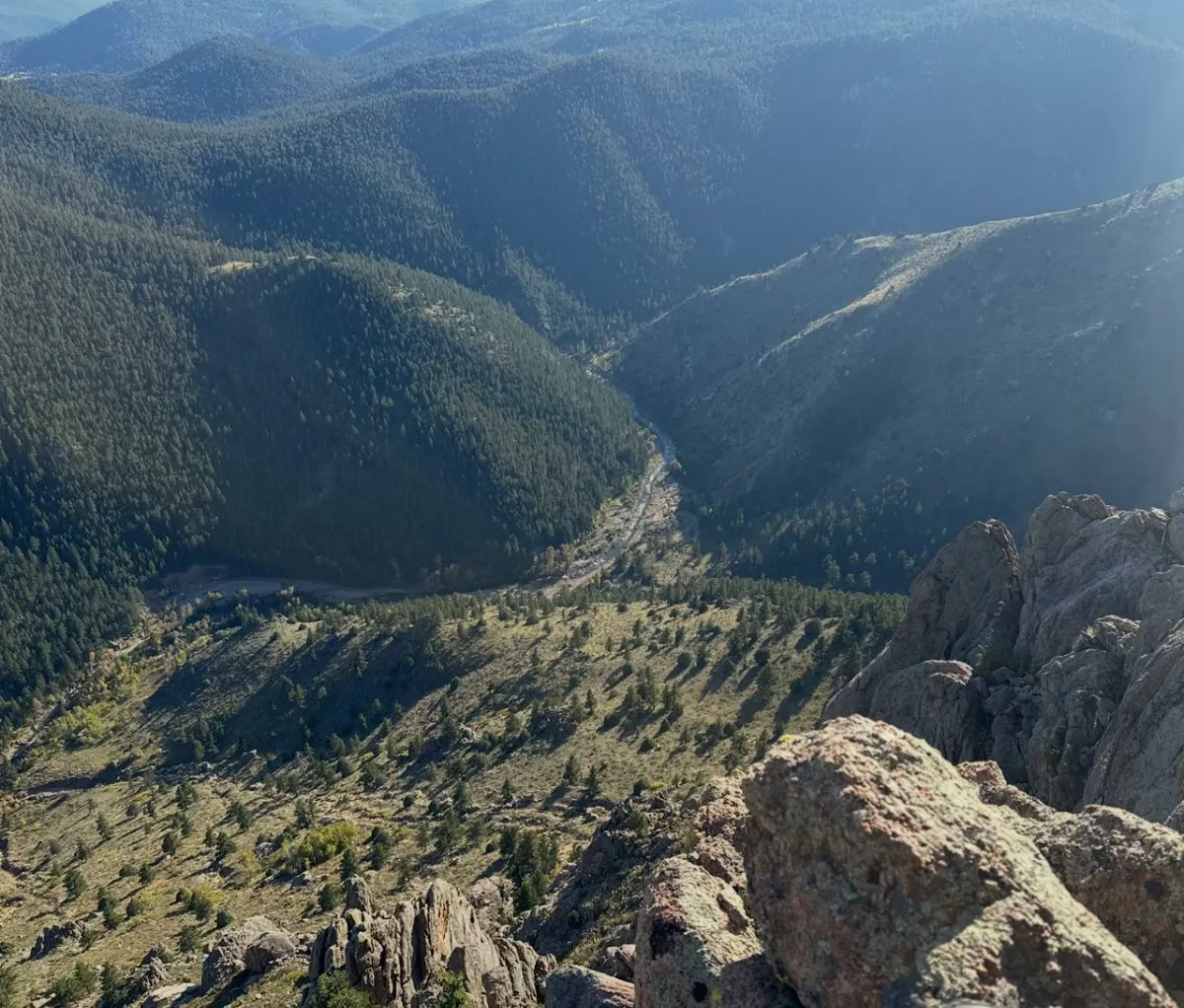
What Is a Controlled Hunt
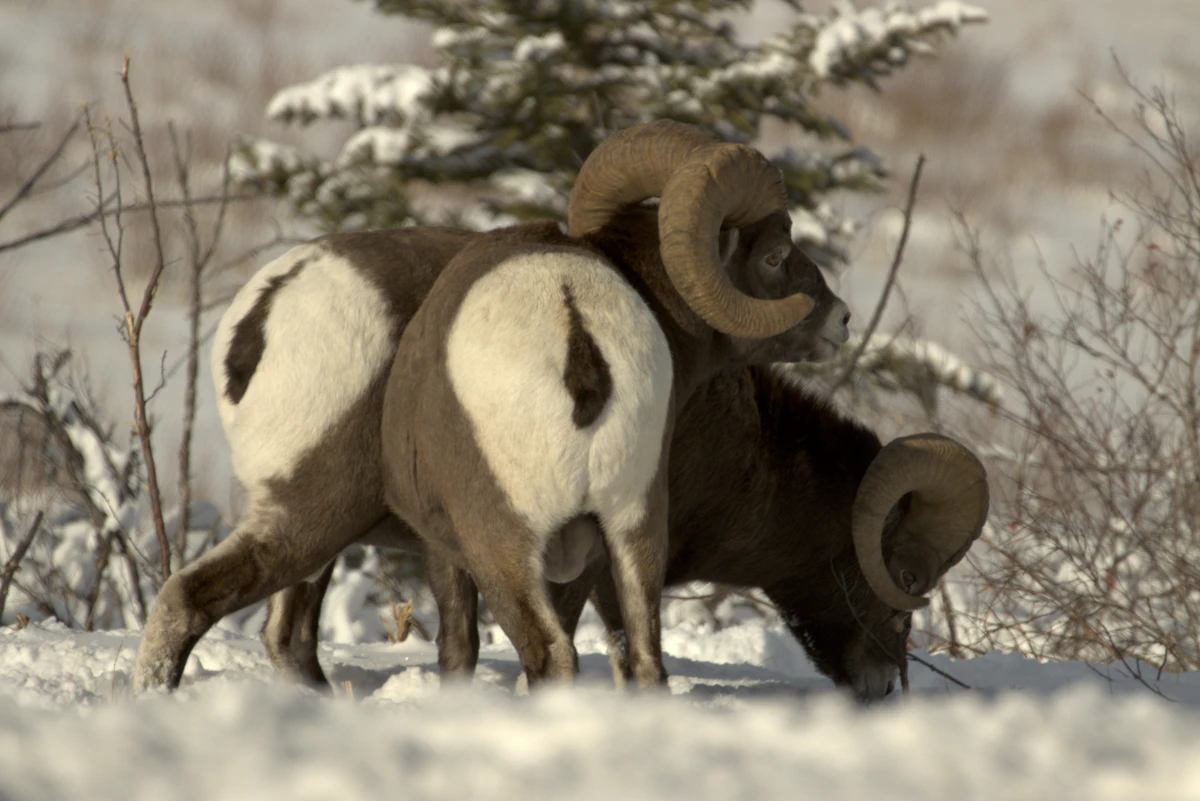
A controlled hunt is a hunt where tag numbers are limited and issued through a draw system, so you can't just buy a tag, you have to apply, get selected, and hunt under specific conditions. These hunts are designed to control hunting pressure and manage wildlife populations at a higher level. Wildlife agencies don't limit tags randomly, because controlled hunts are built around data such as herd size, habitat conditions, winter survival, drought impact, and long-term population goals, since harvesting too many animals or crowding too many hunters into one area can damage both the herd and the land. By limiting tags, states control both how many animals are taken and how many hunters are in the field at one time.
How they work in the field
Controlled hunts rely on draw systems to distribute tags, which depending on the state could mean preference points, bonus points, or a random draw, with some states guaranteeing tags to high point holders and others giving everyone a chance every year, and this system is what regulates access, since instead of unlimited entry only a set number of hunters get in. These hunts are also very specific, with tags tied to a unit, a season, and often a weapon type, so you're not just getting an elk or deer tag, you're getting a tag for a certain area, during a certain time, with a certain method, which lets agencies manage pressure down to a very detailed level. The biggest advantage shows up in the field as reduced pressure, because fewer hunters means less competition, less disturbance, and more natural animal behavior, so animals aren't getting pushed constantly, which leads to better movement patterns and more predictable hunting, and it's why controlled hunts often feel completely different from open or OTC hunts. With fewer hunters and better-managed pressure, success rates are often higher, since you're not fighting crowds or competing for the same animals, and in many cases age structure improves as well, meaning more mature animals are present, though that doesn't make it easy, it just means conditions are more in your favor.
Conservation, tradeoffs, and common confusion
Controlled hunts are a key part of wildlife management, used to maintain proper herd size and balance age classes, and harvesting animals, including mature ones, reduces competition for food, water, and habitat, which helps prevent overgrazing, lowers disease risk, and supports stronger overall herd health while giving younger animals better access to resources and improving long-term population stability. Tag numbers aren't fixed forever either, because states adjust them based on conditions, with a harsh winter, drought, or population decline leading to fewer tags and strong herd growth leading to more, so controlled hunts give agencies the flexibility to respond quickly. The tradeoff is access versus experience: the downside is limited access, since you might wait years to draw in high-demand units, but when you do draw the experience is usually better, with less pressure, more opportunity, and a higher-quality hunt, and that's the tradeoff every hunter has to understand. Some hunters get confused and think controlled hunts guarantee success or trophy animals, but they don't, they simply create better conditions, while others don't realize how specific these hunts are and apply without understanding the details, and a big mistake is not paying attention to how the hunt is structured before applying. Ultimately controlled hunts aren't just about limiting hunters, they're about balancing the entire system, protecting wildlife, improving hunting conditions, and creating long-term sustainability, and TAGZ helps you understand each hunt's structure, draw odds, and details before you apply.
Was this article helpful?
Previous
Hardest Pronghorn (Antelope) Units to Draw With the Highest Trophy Potential Across the West (2026)
Top trophy pronghorn units across Wyoming, Arizona, Nevada, and Colorado produce 80+ inch bucks but require years to draw. Western slope Colorado units offer underrated potential with less pressure.
Next
What Is OTC Hunting
OTC hunting allows you to buy a tag without a draw, but increasing pressure and changing regulations mean success now depends on strategy and timing.