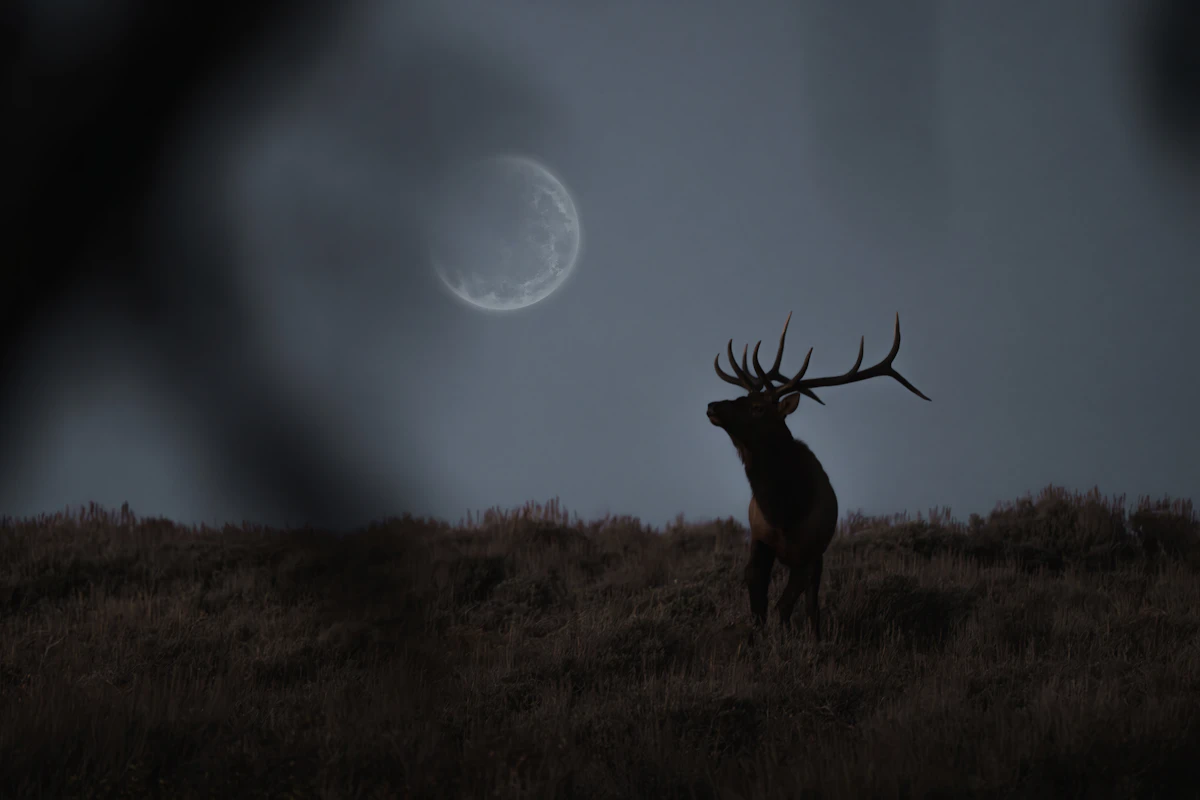
Why I Rarely Hunt the First Ridge — Lessons from 20 Years in Elk Country
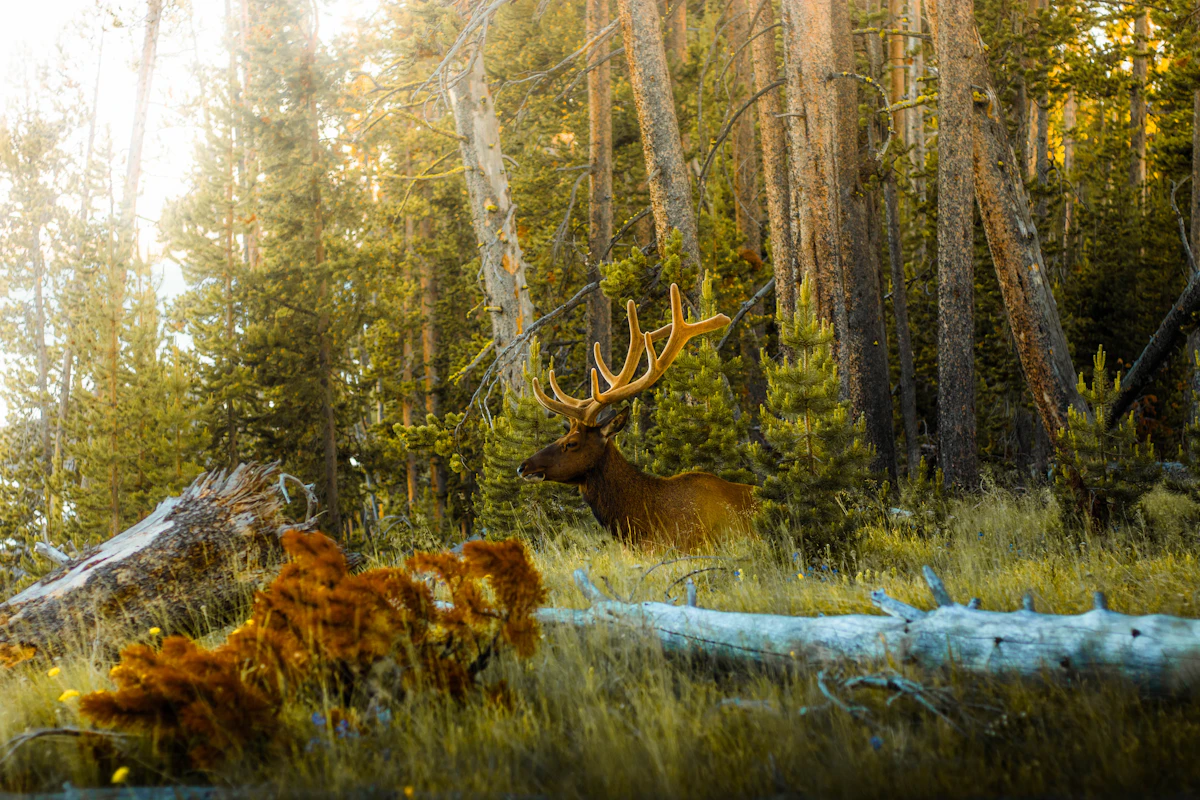
Every September, I watch the same scene play out. Hunters hit the trailhead before dawn, climb to the first ridgeline with a view, and set up shop. By mid-morning, they're glassing the same basins as a dozen other hunters who made the same choice. By evening, they're wondering why they're not seeing bulls.
I used to be one of them. It took years of blown stalks, empty basins, and frustrating encounters with other hunters before I realized the pattern. The first ridge is a trap. Not always, but often enough that it should never be your default strategy.
The First Ridge Is a Gathering Point, Not a Hunting Spot
The first ridge with a decent view becomes a natural stopping point. It's where most hunters catch their breath, pull out the spotter, and start glassing. The problem is that every other hunter in the drainage is doing the same thing.
Mature elk and mule deer know this. They've survived multiple seasons by avoiding the places where human scent, boot traffic, and pressure concentrate. The first ridge is almost always one of those places, especially in popular units with good road access.
I've sat on second and third ridges and watched hunters skyline themselves on the first one, bumping entire herds deeper before they ever glassed a valley. The animals don't spook into the next county — they just move far enough to avoid the pressure. Often that's only a mile or two, but it's enough to put them out of reach for the hunter who stops early.
When the First Ridge Actually Works
There are exceptions. If you're hunting a unit with limited access, terrible roads, or a trailhead that requires a multi-hour approach just to reach the first vantage point, the first ridge might be productive. The key variable is effort.
I've had great hunts from first ridges in wilderness areas where the trailhead is gated miles back, or in roadless units where even reaching the first ridge requires crossing a drainage and climbing 2,000 vertical feet. In those cases, the first ridge is the deep country for most hunters.
The same applies to hunts where weather or terrain creates natural barriers. A big creek crossing, a long stretch of private land that funnels access, or a recent snowstorm that closes roads can all push the "first ridge" effect deeper into the unit. TAGZ terrain layers and public land boundaries help you identify these spots before you leave home.
How to Identify Pressure Zones Before the Hunt
You don't need to scout in person to predict where pressure will stack up. Start with the unit map and mark every trailhead, two-track, and ridge accessible within an hour's walk from a road. Those are your pressure zones.
Next, overlay terrain. Look for the first ridgeline with clear sightlines into multiple basins. If it's within two miles of a road and offers a commanding view, assume it will be crowded on opening weekend. Mark it and plan to hunt past it.
TAGZ makes this process faster. The terrain breakdowns show elevation profiles, access points, and public land boundaries in one view. You can filter units by road density, identify walk-in areas, and compare multiple units side by side to find spots where the "first ridge" is actually deep.
The Two-Ridge Rule
My general rule is to plan for at least two ridges between me and the nearest road. That doesn't mean mindlessly walking deeper — it means identifying a glassing point or ambush location that requires crossing one more obstacle than most hunters are willing to tackle.
Sometimes that's a second ridge. Other times it's a creek crossing, a thick timber belt, or a scree field that slows travel. The goal is to put yourself in a position where casual effort won't get you there.
This doesn't require backpacking. I've done plenty of two-ridge hunts as day trips by starting in the dark, moving fast through the first zone, and setting up in a spot that requires just enough extra effort to filter out the crowd.
What Terrain Features Actually Hold Animals
Once you're past the pressure zone, focus on terrain that offers security and feed. Elk and mule deer don't just avoid hunters — they actively seek places where they can bed with thermals in their favor, escape routes nearby, and enough cover to disappear.
Look for:
- North-facing slopes with mixed timber and small parks
- Benches and saddles below ridgelines where animals can bed and watch their backtrail
- Drainages with water, thick cover, and multiple exit routes
- Transition zones between dark timber and open basins
These features exist on the first ridge too, but they're far more productive when you find them in areas most hunters never reach. TAGZ unit maps highlight these terrain types and show where they overlap with public land access.
Effort Is the Filter
The real reason the first ridge fails isn't bad terrain — it's bad odds. You're competing with every other hunter who made the easiest choice. Pushing deeper doesn't guarantee success, but it dramatically improves your chances of hunting undisturbed animals.
I've watched bulls feed in the open at 9 a.m. on a second ridge while hearing distant shots from the first ridge hunters who never saw them. The difference wasn't skill or luck — it was willingness to walk an extra hour in the dark.
How TAGZ Helps You Identify the Right Ridge
TAGZ terrain tools let you analyze units before you apply. You can see road density, public land boundaries, and elevation profiles to predict where pressure will concentrate and where it won't. The platform also tracks draw odds and preference point requirements, so you can target units where access and competition align with your strategy.
For hunters planning multi-state applications, TAGZ filters let you compare units by terrain type, access difficulty, and hunt quality. You can identify roadless areas, walk-in zones, and units where the "first ridge" is actually a serious undertaking — exactly the spots where mature animals survive.
FAQ — Hunting Past the First Ridge
Should I always hunt past the first ridge?
No. If the first ridge requires serious effort to reach (gated roads, long approaches, or wilderness boundaries), it may be productive. The rule is about avoiding pressure zones, not mindlessly walking deeper.
How do I know if a ridge will be crowded?
Check the unit map for trailheads and roads. If a ridge is within two miles of vehicle access and offers good views, assume it will see heavy pressure on opening weekend.
Does this apply to mule deer as well as elk?
Yes. Mature mule deer avoid pressure the same way elk do. They'll move away from heavily hunted ridges and concentrate in areas with better security cover and fewer hunters.
What if I don't have time to push deeper?
Hunt smarter on the first ridge. Focus on unusual terrain features, hunt during midday when other hunters are back at camp, or target the last hour of light when pressure decreases.
How does TAGZ help with terrain analysis?
TAGZ shows terrain breakdowns, elevation profiles, and public land boundaries in one platform. You can compare units by access difficulty, road density, and hunt quality to find spots where effort filters the crowd.
Is this strategy worth it for general season hunts?
Absolutely. General season units often have the highest pressure, which makes the first ridge even less productive. Pushing past the crowd is one of the best ways to improve success on OTC or general tags.
Continue Planning Your Hunt
Terrain analysis is just one piece of hunt planning. TAGZ helps you research units, track draw odds, and compare public land access across multiple states so you can make smarter application decisions.
Explore the TAGZ platform to see how terrain breakdowns, unit maps, and draw odds tracking work together. Read more hunt planning strategies on the TAGZ Insights blog, or check pricing options to start building your application strategy today.
Was this article helpful?
Previous
How to Hunt Pressured Public Land Elk: Strategies That Work When Everyone Else Strikes Out
Pressured public land elk require different tactics than backcountry bulls. Learn how to hunt the margins, time your entry, use terrain to avoid crowds, and capitalize on post-opener patterns that consistently put mature bulls within range.
Next
How Professional Guides Find Bulls Fast — Proven Tactics From the Field
Professional elk guides don't spend days wandering blindly. They use systematic glassing strategies, terrain reading, and pattern recognition to locate bulls quickly and consistently.