What Makes a Hunt Unit Hard to Draw? The Factors That Determine Tag Scarcity
Draw difficulty isn't random. Every unit's odds trace back to a simple equation: how many tags are available versus how many hunters want them. But the factors that inflate demand and restrict supply vary wildly — and understanding them is the difference between blindly burning points and building a strategy that actually gets you in the field.
The Tag Quota Bottleneck
Every limited-entry unit has a quota — the number of tags wildlife agencies issue for a specific species, weapon type, and season. Quotas are set based on population surveys, harvest objectives, and habitat capacity. A unit holding 2,000 elk with strong recruitment might offer 200 rifle tags. A unit with 300 elk in a recovery phase might offer 8.
Small quotas create instant scarcity. When a unit only issues 5-15 tags annually, even modest demand makes it statistically brutal. Colorado's Unit 201 for elk routinely offers fewer than 20 first-choice rifle tags — and draws thousands of applicants. The math doesn't lie: more people want in than can possibly get in.
Agencies sometimes increase quotas when populations boom or decrease them during droughts, disease outbreaks, or predator pressure. Savvy applicants track these changes year over year because a quota bump from 10 to 25 tags can meaningfully shift your odds.
Applicant Pressure and Reputation
Demand is the other half of the equation, and it's driven almost entirely by reputation. Units known for producing trophy-class animals, high success rates, or stunning scenery attract disproportionate attention. Word spreads through hunting forums, podcasts, outfitter marketing, and state harvest reports.
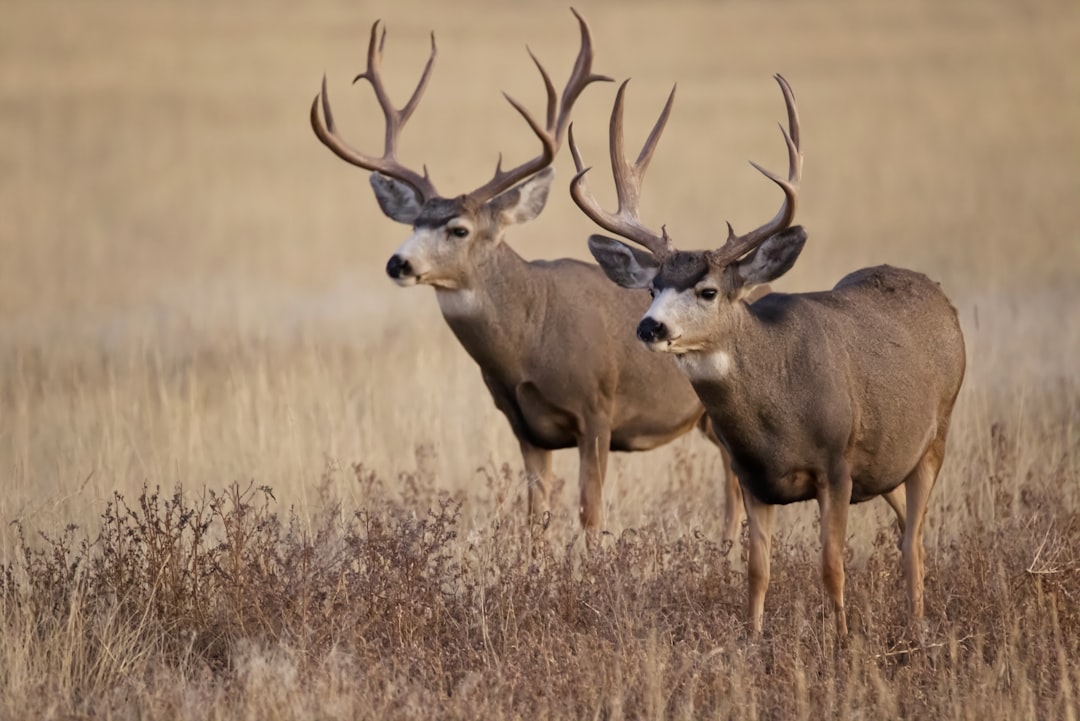
Arizona's Unit 10 for mule deer is a perfect example. It consistently produces 180-200 inch bucks, which means applicants with 15+ points stack up waiting for a tag. The unit's reputation creates a feedback loop: the harder it is to draw, the more prestigious it becomes, which attracts more applicants, which makes it even harder to draw.
Conversely, units with lower profile reputations — even those with solid hunting — often fly under the radar. These overlooked units are where strategic applicants find opportunity. Understanding Pricing | TAGZ helps you identify where competition is softer than the hunting quality suggests.
Point Creep: The Slow Squeeze
Preference and bonus point systems were designed to reward loyalty — apply every year, accumulate points, eventually draw your dream tag. In practice, they've created point creep: the steady increase in points required to draw top units.
Here's why it happens. Every year, unsuccessful applicants gain another point. If a unit requires 10 points to draw today and 500 hunters hold 10+ points, only 50-100 might draw (depending on quotas). The remaining 400+ roll into next year with 11 points. Meanwhile, hunters who held 9 points now hold 10 — and the cycle continues.
In states like Wyoming and Colorado, some elk and deer units have crept from 5-point draws to 15+ point draws over the past decade. Hunters who started applying at 25 years old are now 40 and still waiting. This isn't speculation — it's visible in Product Preview | TAGZ that tracks point thresholds over time.
Trophy Potential and Harvest Data
Nothing inflates demand faster than big antlers. When a unit produces multiple Boone & Crockett entries or shows up in hunting media, applications spike. State harvest reports — which list average scores, success rates, and days afield — give hunters a data-driven way to evaluate quality. Units with high average scores and 60%+ success rates become magnets.
But trophy potential is nuanced. A unit might produce giants because it has exceptional genetics and habitat. Or it might produce giants because only 5 tags are issued and those hunters have months to find a specific animal. Distinguishing between inherent quality and manufactured scarcity helps you make smarter choices.
Some of the best hunting happens in units with "average" harvest stats but reasonable draw odds. A unit where you can draw in 2-3 years and hunt solid, mature animals often beats waiting 12 years for a marginal shot at a record book.
Access, Terrain, and Hunt Experience
Draw difficulty isn't purely about antler inches. Units with exceptional access — walk-in areas, public land corridors, or outfitter availability — draw heavier pressure than roadless wilderness units requiring horses and backcountry skills.
Similarly, units with gentler terrain attract more applicants than units requiring brutal physical effort. A high-country unit above 10,000 feet with no road access might offer solid odds simply because fewer hunters are willing or able to hunt it.
Season timing matters too. Early September archery seasons during the rut are more competitive than late-October rifle seasons when weather turns harsh. If you're flexible on weapon type and season dates, you can often Pricing | TAGZ in windows that other hunters avoid.
Resident vs. Nonresident Allocation
Most Western states allocate tags differently for residents and nonresidents, and this dramatically affects draw difficulty depending on your status. Wyoming, for example, caps nonresident elk tags at roughly 16% of the total quota. A unit offering 100 tags might only have 16 available to nonresidents — while thousands of out-of-state hunters compete for them.
Colorado, Montana, and other states use similar splits. Understanding Product Preview | TAGZ lets you target states and units where the math is more favorable. Some states also offer leftover or second-draw opportunities where unsold tags become available — often with better odds than the primary draw.
How to Use Draw Difficulty to Your Advantage
Knowing what makes a unit hard to draw isn't just trivia — it's actionable intelligence. Here's how to apply it:
- Track quota changes. A unit that adds 10 tags might go from impossible to achievable overnight.
- Monitor point creep. If a unit's required points are climbing 1-2 per year, do the math on whether you'll ever catch up.
- Question reputation. Big-name units aren't always the best hunting — they're often just the best marketed.
- Consider access and effort. Units that demand more from hunters often reward them with better odds.
- Build a multi-state strategy. Spreading applications across states with different systems hedges against long waits in any single state.
Tools like Product Preview | TAGZ let you compare units across these variables so you're not guessing.
FAQ — Hunt Unit Draw Difficulty
Why do some units only offer a handful of tags?
Tag quotas are set by wildlife agencies based on animal populations, habitat conditions, and management goals. Units with small or recovering herds receive fewer tags to protect the resource.
Does applying every year guarantee I'll eventually draw?
Not necessarily. In preference point systems, you must accumulate enough points to reach the threshold — and that threshold rises as point creep continues. In bonus point systems, your odds improve but a draw is never guaranteed.
Are hard-to-draw units always better hunting?
No. Difficulty often reflects reputation and demand, not necessarily superior hunting. Many moderate-draw units offer excellent opportunities with far less wait time.
How do I know if a unit is getting harder or easier to draw?
Compare historical draw data showing point thresholds and success rates over 5-10 years. Rising point requirements signal increasing difficulty; stable or falling thresholds suggest softening demand.
Should I burn points on a mid-tier unit or hold out for a top unit?
It depends on your timeline and goals. If a top unit requires 15+ years of waiting, a mid-tier unit you can draw in 3-5 years might deliver more total hunting opportunity over your lifetime.
Do weapon type and season dates affect draw odds?
Yes. Archery and muzzleloader seasons often have different quotas and applicant pools than rifle seasons. Early-season rut hunts are typically more competitive than late-season options.
Was this article helpful?
Previous
Preference Points vs. Bonus Points: Understanding Every Western Draw System
Western states use different point systems to allocate tags. Learn how preference points guarantee draws in order while bonus points improve odds without guarantees, and see how each state structures its system.
Next
How to Pick the Right Hunt Unit for Elk, Deer, and Antelope
Choosing the right hunt unit is the single biggest decision you'll make each application season. This guide breaks down the key factors for elk, deer, and antelope so you can match your goals, time, and point balance to the right tag.