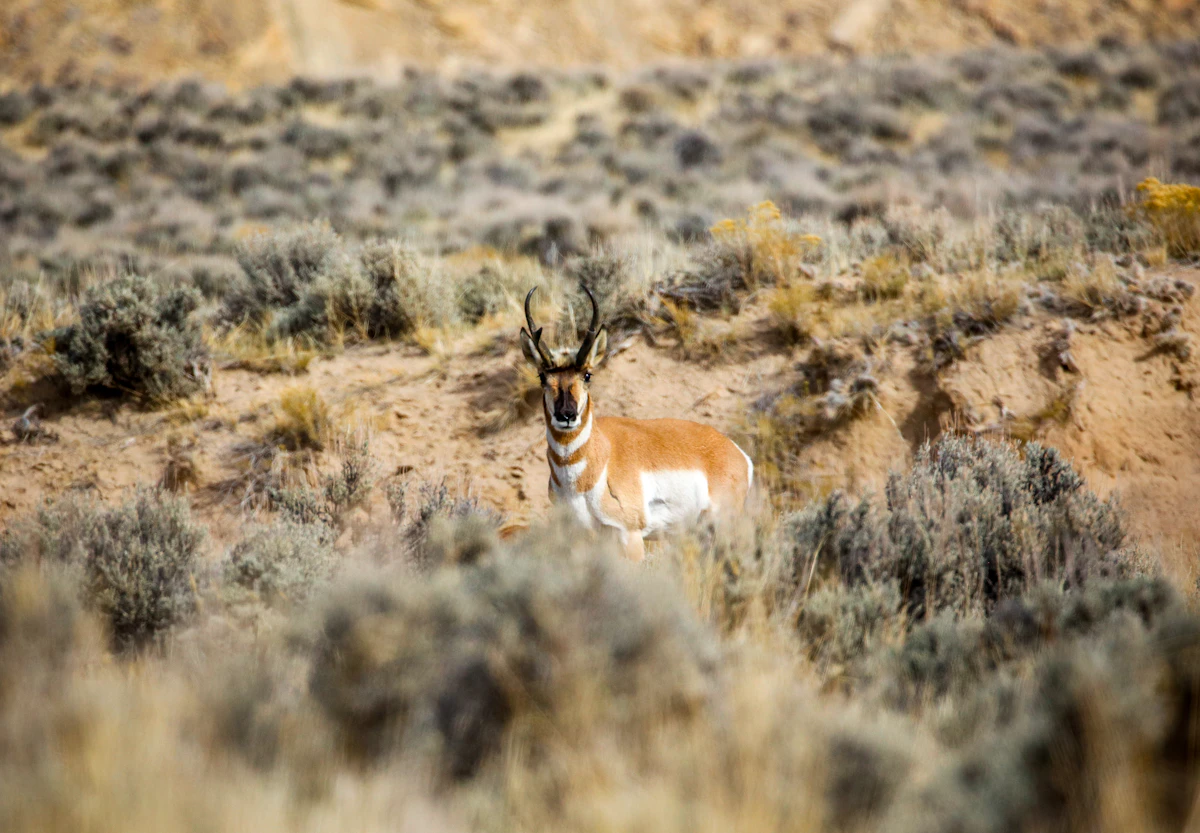
Weather Impact on Hunts: How Conditions Actually Move Animals
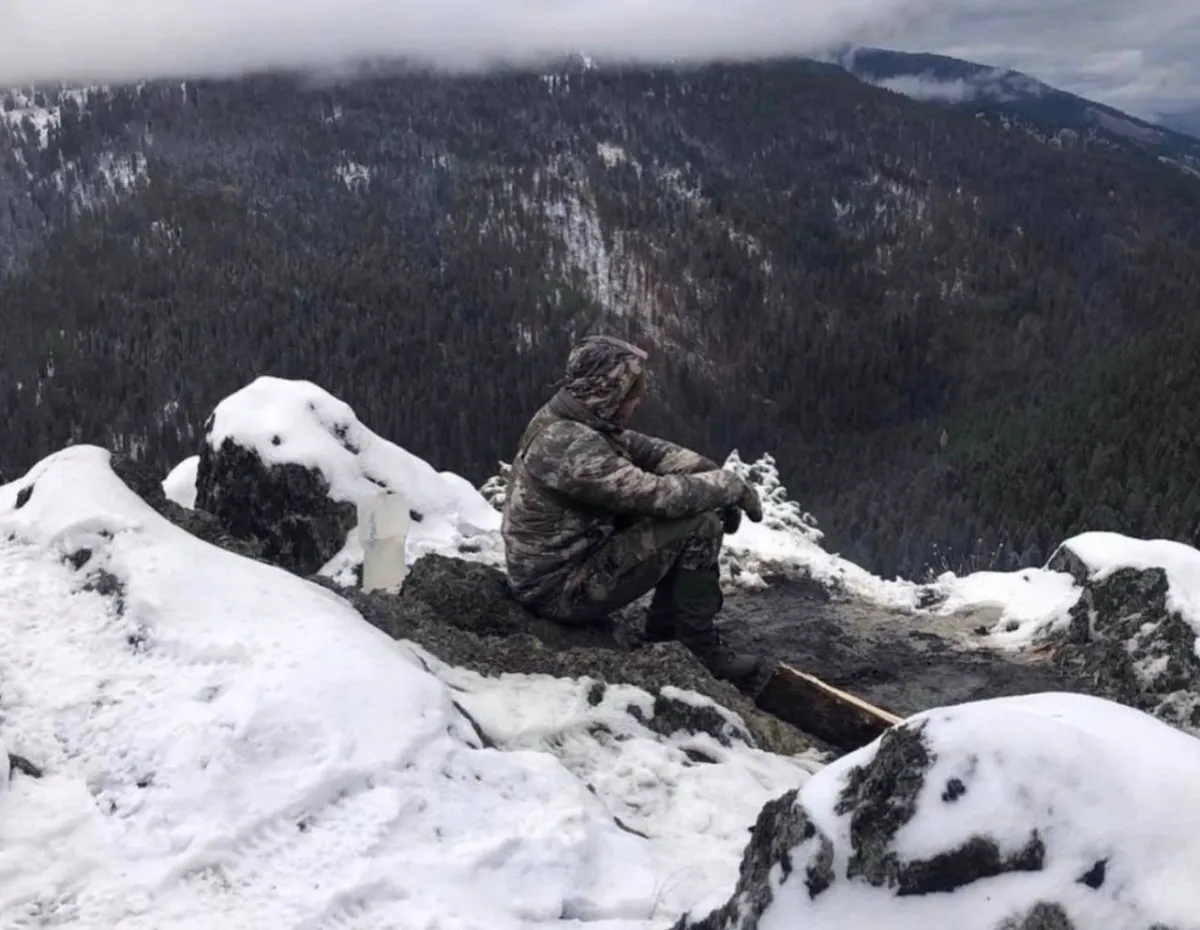
Weather is one of the biggest factors in whether you see animals or not. You can be in the right unit, in the right terrain, and still come up empty if you don’t understand what the conditions are doing. Most hunters check the forecast and leave it at that. The ones who consistently find animals are paying attention to how weather actually changes movement.
Heat early in the season shuts everything down. Animals aren’t going to stay on their feet longer than they have to when it’s hot. They’ll move right at first light, maybe a little at last light, and the rest of the day they’re buried in shade, usually on north-facing slopes or thick cover. If you’re still hunting the same way you would on a cool day, you’re wasting time. When temperatures drop, even slightly, movement opens up. Animals stay active longer, feed more, and don’t rush to bed. A sudden cold front early season can completely change a hunt overnight. If you catch that timing right, you’ll see more in a few hours than you would in days of heat.
Once real cold sets in, everything becomes about survival. Animals need calories, and they’re not going to get them sitting still. You’ll start to see more consistent feeding patterns and more daylight movement. They’ll group up more, use terrain that protects them from wind, and stick to areas that hold food. Cold pushes people out too, and that’s a big part of it. Less pressure plus more movement is a good combination. The guys who are willing to stay out when it gets uncomfortable are usually the ones getting into animals.
Snow changes the game fast. A light layer is about as good as it gets. It makes animals easier to see, easier to track, and quiets your movement. You can cover ground without making noise and actually read what’s happening in front of you. As snow builds, animals start shifting. They’ll drop elevation, move into thicker cover, and avoid areas where they burn too much energy moving. Deep snow forces decisions for them. They can’t afford to waste energy, so they tighten up patterns. If it gets heavy enough, entire groups will move out of an area completely. If you’re not adjusting with that, you’ll be hunting empty ground.
Wind is what ruins most hunts, plain and simple. If your wind is wrong, it doesn’t matter how good everything else looks. Animals live by their nose. You can’t beat it. But it’s not just about checking the wind direction on your phone. Terrain affects it. Thermals matter more than most people realize. Mornings usually pull air downhill. Evenings push it back up. Midday can swirl depending on sun and terrain. If you don’t understand that, you’ll blow animals out without ever knowing they were there. The hunters who consistently get close are the ones thinking about wind before they ever make a move.
Pressure changes tied to weather matter too, even if most people ignore it. After a storm passes and pressure rises, animals tend to get active. They’ve been sitting through weather, and once it clears, they need to feed. You’ll see movement pick up fast if you’re in the right place. Before a storm, falling pressure can do the same thing. It’s not something you build your whole hunt around, but it’s another edge if you’re paying attention.
Rain gets a bad reputation, but it’s not always a negative. Light rain can actually help. It quiets the ground, covers your sound, and makes it easier to move without being picked off. Animals often feel more comfortable moving in those conditions. Heavy rain is different. That usually slows things down and keeps animals bedded longer. But once it stops, things pick back up quickly. That window right after weather clears is one of the better times to be out.
Cloud cover can stretch a day in your favor. Without direct sun, animals don’t feel the same pressure to bed early. Movement can carry into late morning or even mid-day, especially early season. A lot of hunters still operate like it’s a bluebird day and miss that extra window. Overcast conditions don’t guarantee anything, but they definitely give you more time to work.
Dry conditions change things in a different way. When water gets limited, animals start building their movement around it. That can make them more predictable, but it also concentrates pressure. If everyone is thinking the same way, those spots get crowded fast. Drought also impacts feed. Animals will shift where they spend time if quality drops, even if the terrain looks right on a map.
The biggest difference between guys who consistently find animals and guys who don’t comes down to how they handle this stuff. Most people react after the fact. Conditions change, and they try to catch up. The better approach is thinking ahead. If you know weather is about to shift, you should already be planning for where animals are going to be when it does. Cold fronts, fresh snow, pressure swings—those are triggers. When they hit, movement follows.
Nothing stays the same out there. If the weather changes, your plan needs to change with it. Hot conditions mean tighter windows and heavier cover. Cold means longer days and more feeding. Wind forces you to rethink how you approach everything. Snow can move animals completely out of the area you were planning on hunting. Sitting in one spot and hoping it works out doesn’t cut it.
Weather doesn’t ruin hunts. It just exposes whether you understand what’s going on or not. If you learn how animals react to conditions, you stop guessing and start putting yourself where you actually have a chance.
Bottom line—weather controls movement. If you can read it and adjust, you’ll find more opportunity while most guys are still trying to figure out why they’re not seeing anything.
Was this article helpful?
Previous
How to Choose the Right Hunting Weapon for Western Hunts: Stop Guessing and Pick What You Can Actually Use
Rifles and bows both work—success comes down to using a setup you can control, trust, and execute with when it matters most.
Next
How to Read Maps for Hunting: Stop Guessing and Start Seeing the Ground
Reading maps correctly helps you understand terrain, find habitat, and predict movement so you can hunt smarter and waste less time in the field.