Shiras Moose Hunting 101 for Beginners: Western vs Alaska, Yukon, Mainland Canada, and Maine Moose Hunting, Gear, Strategy, and Tips
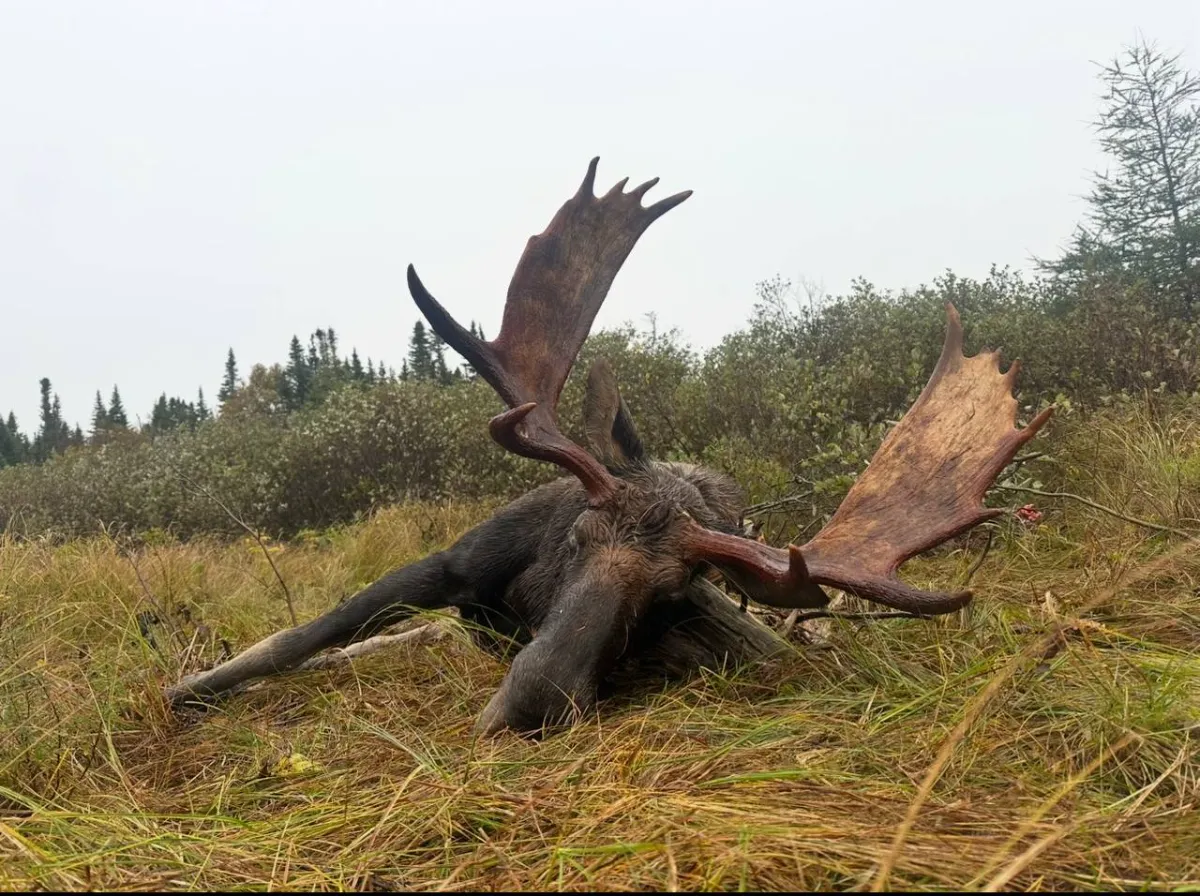
Shiras moose hunting for beginners is a completely different experience compared to hunting moose in Alaska, the Yukon, mainland Canada, and places like Maine and Newfoundland. One of the most important facts to understand is that Shiras moose are the smallest subspecies of moose in North America. While they are still massive animals compared to elk or mule deer, mature Shiras bulls are typically smaller in both body size and antler spread than their northern counterparts. On the opposite end of the spectrum, Alaska-Yukon moose are the largest moose subspecies in North America and are widely considered the largest members of the entire deer family in the world. These bulls can exceed 1,500 pounds and grow extremely wide, heavy antlers, making them the biggest target for hunters pursuing true giant moose.
Western Shiras moose hunting, found in states like Colorado, Wyoming, Idaho, Montana, and Utah, is typically a limited-entry, draw-based system with very few tags available. This creates low hunting pressure but also lower moose densities, making each hunt a high-value opportunity where execution matters. In contrast, Alaska and the Yukon represent true wilderness moose hunting, with larger-bodied animals, expansive landscapes, and the potential for significantly bigger bulls. These hunts often require fly-in access, river travel, or extended backcountry trips. Mainland Canada, including provinces like British Columbia, Alberta, and Saskatchewan, offers a balance with strong moose populations and more accessible terrain than Alaska, along with a mix of guided and DIY opportunities. Maine provides a structured, draw-based hunt similar to western states but with higher moose densities and more defined access through logging roads and managed units. Newfoundland stands apart with extremely high moose populations and relatively easier access, though often in dense, low-visibility terrain.
Terrain is one of the biggest factors separating these hunts. Shiras moose habitat in the western United States includes willow bottoms, river corridors, dark timber, and high-elevation basins, often requiring hunters to move between steep mountains and wet ground in the same day. Alaska and the Yukon are defined by vast tundra, boreal forest, and massive river systems where travel is dictated by access routes rather than trails. Mainland Canada varies widely but commonly includes forests, cut blocks, wetlands, and rolling terrain that allow for both glassing and still-hunting. Maine features thick timber, logging roads, and mixed forest habitat, creating a hunt that is often more structured and access-driven. Newfoundland typically consists of dense forest and bog systems, where visibility is limited and encounters happen at closer range.
Physical demand varies across regions but is always a factor. Alaska and Yukon hunts are the most physically and logistically demanding due to their remoteness and scale, often requiring extended time in the field and complex pack-out efforts. Western Shiras hunts require solid conditioning, especially when dealing with elevation and packing meat in rugged terrain. Mainland Canada hunts can range from moderate to demanding depending on access and location. Maine is generally more manageable due to road systems and guided access, but the work after the shot is still significant. Newfoundland is typically the most accessible, though wet terrain can still make recovery challenging.
Moose behavior is relatively consistent, but hunting pressure and habitat influence how they are hunted. Shiras moose in the West can be more cautious due to limited-entry pressure and smaller populations. Alaska and Yukon moose are often more spread out but can respond well to calling during the rut. Mainland Canada offers a mix depending on hunting pressure and terrain. Maine moose tend to be more patterned due to structured habitat and access, while Newfoundland moose are easier to locate due to higher densities but harder to approach in thick cover.
When building a moose hunting gear list, durability and preparation are critical. Waterproof boots are essential due to the wet environments moose inhabit. Layered clothing is important for changing conditions, especially in northern regions like Alaska and the Yukon. Optics such as 10x42 binoculars are useful for glassing, particularly in western and northern hunts, while closer-range encounters are more common in dense areas like Maine and Newfoundland. Navigation tools, including GPS and satellite communication devices, are essential for safety in remote terrain.
Weapon setup should focus on reliability and stopping power. A rifle zeroed at 200 yards works well across all regions. Heavier bullets, typically in the 165 to 200+ grain range depending on caliber, are recommended to ensure proper penetration on large-bodied moose. Shot placement is critical, and beginners should prioritize broadside opportunities for a clean and ethical harvest.
Developing a moose hunting strategy depends heavily on location. In the western United States, focusing on willow bottoms, water sources, and glassing open terrain can be effective. In Alaska and the Yukon, covering large areas via rivers and glassing expansive landscapes is common, with calling playing a larger role during the rut. Mainland Canada offers a mix of tactics depending on terrain. Maine hunts often rely on access points and habitat knowledge, while Newfoundland hunts require slow movement through dense cover and careful observation.
Wind management still matters, although moose rely slightly less on scent than elk. However, a poor approach can still end an opportunity quickly. Using terrain and vegetation for cover is critical when closing the distance, especially in open environments.
Moose hunting do’s and don’ts remain consistent across all regions. Taking your time, hunting methodically, and being prepared for the pack-out will significantly increase your chances of success. Common mistakes include rushing shots, underestimating the work required after harvest, and failing to adapt to terrain and conditions.
Shiras moose hunting out west offers a unique balance compared to Alaska, the Yukon, mainland Canada, and Maine. Each region brings its own challenges and advantages, but success comes down to preparation, adaptability, and making smart decisions in the field.
Was this article helpful?
Previous
Wyoming Elk Draw — How It Works (Resident vs Non-Resident) and Why It’s Basically Pay to Play (2026)
Wyoming’s elk draw uses preference points, group applications, and a split draw system. Non-residents face a pay-to-play setup, and stopping point purchases can set you back due to point creep.
Next
Mule Deer Hunting 101 for Beginners: Complete Guide to Mule Deer vs Whitetail, Gear, Strategy, and Tips
This beginner mule deer hunting guide explains how hunting mule deer differs from whitetails, covering essential gear, glassing-based strategies, and key tips to help you find and successfully harvest bucks in western terrain.