Mule Deer Hunting 101 for Beginners: Complete Guide to Mule Deer vs Whitetail, Gear, Strategy, and Tips
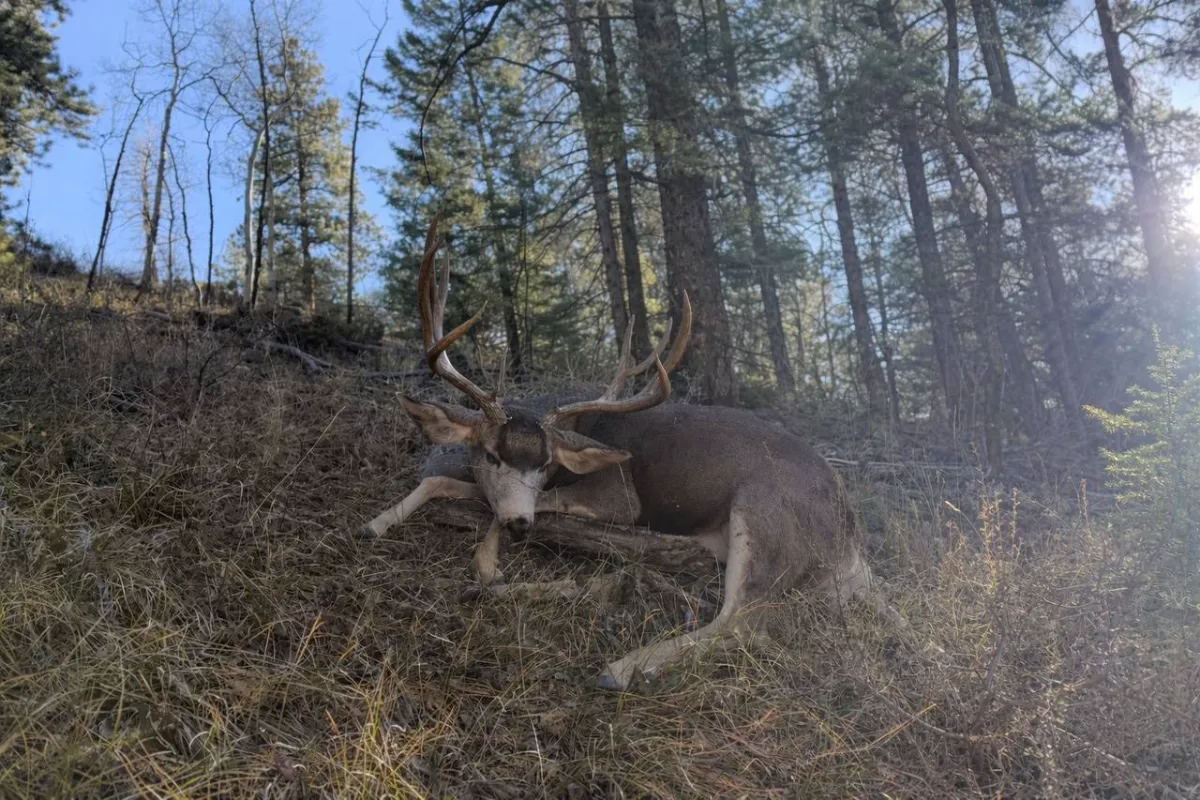
Mule deer hunting for beginners is often misunderstood, especially by hunters coming from a whitetail background. While both species are deer, the way you hunt them is completely different. Mule deer live in the wide-open country of the western United States, from high alpine basins to sagebrush flats and desert breaks. Unlike whitetail hunting, which often relies on stand placement and predictable movement patterns, mule deer hunting is built around glassing, covering ground, and making strategic stalks. If you approach mule deer like a whitetail, you will struggle early, but if you adapt, your chances of success increase significantly.
One of the biggest differences in mule deer vs whitetail hunting is terrain and visibility. Mule deer country is big, open, and often unforgiving, which means you will spend far more time behind optics than sitting in one spot. Instead of waiting for deer to pass through a funnel or scrape line, you will be locating bucks from a distance and planning your approach. This makes patience and observation some of the most important skills for beginner mule deer hunters. Being able to pick apart terrain and spot deer that most people would miss is often what separates success from failure.
Physical demand is another major factor in western mule deer hunting. While it may not always be as intense as elk hunting, mule deer hunts still require long hikes, elevation changes, and the ability to move efficiently through rough terrain. Getting into good shape before the season will help you stay focused and ready when an opportunity presents itself. Many opportunities are lost not because hunters cannot find deer, but because they cannot close the distance effectively.
Understanding mule deer behavior is critical when learning how to hunt mule deer. Mule deer are often found bedded in open or semi-open terrain where they can use their eyesight to detect danger. They tend to bed in areas that give them a wide field of view, such as ridgelines, knobs, and the edges of basins. Early and late in the day, they move to feed, but much of your success will come from spotting them in their beds and planning a careful stalk. Unlike elk, mule deer are not vocal, so hunting them relies heavily on visual tactics rather than calling.
When building a mule deer hunting gear list, focus on efficiency and quality. A dependable pair of boots is essential for covering ground and navigating uneven terrain. Optics are arguably the most important tool for mule deer hunting, with 10x42 binoculars being the standard for most situations. Many hunters also use spotting scopes to evaluate bucks from long distances before making a move. Layered clothing is important to handle changing weather conditions, especially in higher elevations where temperatures can fluctuate throughout the day.
For rifle hunters, accuracy is key. A rifle zeroed at 200 yards provides flexibility for common shot distances in mule deer hunting. Using a bullet in the 130 to 165 grain range is typically effective for mule deer, offering a balance of velocity and penetration. As always, shot placement is the most important factor, and beginners should focus on taking high-percentage shots rather than pushing their limits.
Developing a mule deer hunting strategy starts with glassing. Successful hunters spend more time behind binoculars than walking. Finding a good vantage point and slowly scanning the landscape allows you to locate deer without alerting them. Once a buck is spotted, the challenge becomes closing the distance without being seen. This requires careful use of terrain, wind, and patience. Planning your stalk is often more important than the stalk itself, as one wrong move can send a buck out of the country.
Wind still plays a role in mule deer hunting, but it is not as dominant as it is with elk. Mule deer rely more on their eyesight than their nose, but a bad wind can still give you away at close range. Using terrain features such as ridges, draws, and vegetation to stay hidden is essential when making a final approach.
There are several mule deer hunting do’s and don’ts that beginners should keep in mind. Spending time glassing instead of hiking aimlessly will increase your chances of finding deer. Moving too quickly and not using cover are common mistakes that lead to blown opportunities. Patience is critical, as mule deer often require long periods of observation before making a move. On the other hand, rushing a stalk, skylineing yourself on ridges, and failing to plan your approach are mistakes that can cost you a shot opportunity.
Mule deer hunting is a mental game as much as a physical one. It requires discipline to sit behind optics, confidence to make a move when the time is right, and resilience to keep going when things do not work out. Many stalks will fail, and that is part of the process. Each attempt teaches you something new about how mule deer use the landscape and how you can improve your approach.
For beginners, the key to success in mule deer hunting is learning to slow down and observe. Focus on finding deer first, then worry about how to approach them. Invest in good optics, take care of your physical preparation, and build a strategy around glassing and smart decision-making. Mule deer hunting rewards those who are patient, adaptable, and willing to learn from every encounter.
By understanding the differences between mule deer and whitetail hunting, using the right gear, and applying proven mule deer hunting strategies, beginners can shorten the learning curve and put themselves in a strong position to find success in the western landscape.
Was this article helpful?
Previous
Shiras Moose Hunting 101 for Beginners: Western vs Alaska, Yukon, Mainland Canada, and Maine Moose Hunting, Gear, Strategy, and Tips
This moose hunting guide explains the differences between Shiras moose and larger Alaska-Yukon moose, while breaking down regional strategies across the West, Canada, and Maine.
Next
Nevada Big Game Draw — How It Works (Resident vs Non-Resident) 2026
Nevada uses a squared bonus point system with a fully random draw. Residents get more tags, non-residents face tougher odds, and drawing a tag does not reset your points.