Complete Pronghorn Hunt Gear Checklist 2027
Clothing
Base layer
Lightweight hunting shirt
Hunting pants
Insulating layer
Wind-resistant outer layer
Rain shell
Lightweight gloves
Warm gloves for colder hunts
Brimmed hat
Beanie
Neck gaiter
Quality hunting socks
Extra socks
Sunglasses
Sunscreen
Lip balm with sun protection
Footwear
Broken-in hunting boots
Optional lightweight approach/hiking shoes
Gaiters when conditions warrant them
Blister treatment
Spare laces
Optics
Binoculars
Binocular harness
Rangefinder
Spotting scope when useful
Tripod
Optics cleaning cloth
Lens protection
Rifle Hunt Gear
Legal hunting rifle
Legal hunting ammunition
Rifle sling
Bipod or shooting support
Rear shooting bag when desired
Ammunition carrier
Scope cover
Basic firearm maintenance items
Archery Hunt Gear
Legal hunting bow
Legal hunting arrows
Legal broadheads
Release aid
Backup release
Rangefinder
Bow sling
Allen/tool kit
Extra field points
Broadhead wrench where appropriate
Replacement nocks
Optional decoy where legal
Pack
Daypack or hunting pack
Hydration bladder/bottles
Food
Game bags
Knife
Replaceable blades or sharpening equipment
Disposable gloves
Paracord/light cord
Electrical or repair tape
Headlamp
Backup light
Spare batteries/power bank
Navigation
Offline maps
GPS-capable device
Phone
Charging cable
Power bank
Compass
Paper map when appropriate
Safety
First-aid kit
Emergency communication device
Emergency blanket/bivy
Fire-starting equipment where legal and safe
Basic repair kit
Prescription medication
Personal identification
Hunting license
Tag/permit
Required documentation
Meat Care
Game bags
Knife
Extra blades
Gloves
Cord
Pack capable of carrying meat
Cooler
Ice or cooling plan
Clean meat-storage system
Start With the Hunt—Not the Gear
Before buying equipment, answer:
Where Are You Hunting?
When Are You Hunting?
Rifle or Bow?
Public or Private Land?
Day Hunt or Backcountry?
Early Season or Late Season?
DIY or Guided?
A:
September Wyoming Archery Hunt
can require a very different system from:
A Late-Season New Mexico Rifle Hunt.
Pronghorn Country Is Often Exposed
Pronghorn inhabit some of the most:
Open Country
big-game hunters encounter.
Depending on the state, you may hunt:
Prairie
Sagebrush
High Desert
Rolling Agricultural Country
Grasslands
and:
Open Basins.
That makes certain environmental factors especially important:
Wind + Sun + Visibility + Distance.
Clothing for Pronghorn Hunting
You don't necessarily need:
Heavy Mountain Hunting Clothing.
For many early-season hunts, prioritize:
Breathability + Sun Protection + Wind Protection.
A practical layering system usually works better than:
One Heavy Jacket.


Free to join
Download mobile app
- Detailed draw odds
- Point tracking
- Deadline reminders
- 18 states covered





Free to join
Download mobile app
- Detailed draw odds
- Point tracking
- Deadline reminders
- 18 states covered






Free to join
Download mobile app
- Detailed draw odds
- Point tracking
- Deadline reminders
- 18 states covered

Base Layer
Choose a base layer that:
Manages Moisture
and feels comfortable during:
Long Walks + Crawling + Stalking.
Synthetic and wool-based systems can both work.
Fit and comfort matter more than:
Brand Name.
Hunting Shirt
A lightweight long-sleeve shirt can provide:
Sun Protection
while remaining breathable.
In exposed pronghorn country, covering your arms can be useful during:
Hours of Glassing + Stalking.
Hunting Pants
Look for pants that allow:
Easy Movement
and can tolerate:
Grass + Sagebrush + Dirt + Crawling.
Extremely heavy pants may be unnecessary on:
Warm Early-Season Hunts.
Wind Layer
This is one of the most underrated pieces of:
Pronghorn Hunting Gear.
Open pronghorn country can be:
Windy.
A lightweight wind-resistant layer can provide substantial comfort without requiring:
A Heavy Insulated Jacket.
Insulating Layer
Even if afternoons are warm:
Mornings Can Be Cold.
A lightweight:
Fleece
Synthetic Jacket
or:
Similar Insulating Layer
can be useful.
Late-season hunts may require:
Much More Insulation.
Rain Gear
Don't assume:
Pronghorn Country = No Rain.
Weather can change rapidly.
A lightweight shell can protect against:
Rain + Wind.
Check your actual:
Destination + Season Forecast
before deciding how substantial your rain gear needs to be.
Sun Protection
Pronghorn country can involve hours with:
Little or No Shade.
Carry:
Sunscreen
Sunglasses
Hat
and:
Lip Protection.
Lightweight long sleeves can also reduce:
UV Exposure.
What Color Clothing Do You Need?
Camouflage can be useful, particularly for:
Archery Stalking.
But don't assume you need:
An Entire Expensive Matching Camo System.
For rifle hunting, effective:
Movement + Positioning + Wind + Terrain Use
can matter more than:
A Specific Camouflage Pattern.
Always satisfy:
Hunter-Orange Requirements
for your state and season.
Check Blaze Orange Rules
Hunter-orange requirements vary by:
State + Species + Season + Weapon.
Don't rely on a generic pronghorn checklist.
Verify the:
2027 Regulations
for the exact state you're hunting.
Boots for Pronghorn Hunting
You don't automatically need:
Heavy Mountain Boots.
Match your boots to:
Terrain + Weather + Pack Weight.
For rolling prairie and dry sagebrush:
Lightweight Hiking/Hunting Boots
may work well.
Rockier country or heavier loads may justify:
More Support.
Break Your Boots In
Don't begin your hunt with:
Brand-New Boots.
Use your hunting footwear during:
Training + Scouting.
Identify:
Heel Slip
Toe Pressure
Hot Spots
and:
Blister Problems
before opening day.
Socks
Quality socks can make a bigger difference than:
Expensive Camouflage.
Bring:
At Least One Spare Pair
in case your feet become:
Wet + Sweaty.
Gaiters
Gaiters can help in:
Wet Grass
Mud
Snow
Dust
and:
Seed-Filled Vegetation.
But they aren't mandatory for:
Every Pronghorn Hunt.
Binoculars Are a Core Pronghorn Tool
If there's one category where spending for:
Quality
can meaningfully improve the hunt, it's:
Optics.
Pronghorn can often be spotted at:
Long Distances.
Binoculars help you:
Find Animals
Evaluate Bucks
Watch Herd Movement
and:
Plan Stalks.
What Binocular Magnification Is Good for Pronghorn?
Common choices include:
8x
10x
and:
12x.
For many hunters:
10x Binoculars
provide a useful balance of:
Magnification + Field of View + Handheld Stability.
But there isn't one mandatory:
"Best Pronghorn Binocular."
8x Binoculars
Advantages can include:
Wider Field of View
Easier Handholding
and:
Good Close-to-Midrange Scanning.
10x Binoculars
10x binoculars are popular because they provide:
Additional Magnification
without becoming overly difficult for many hunters to:
Handhold.
They can be a versatile option for:
Open-Country Hunting.
12x Binoculars
12x binoculars can provide:
More Detail at Distance.
But increased magnification also magnifies:
Hand Movement.
They become substantially more useful when paired with:
A Tripod.
Use a Binocular Harness
A bino harness protects optics from:
Dust + Dirt + Weather
while keeping them:
Immediately Accessible.
Pronghorn hunting can involve:
Constant Glassing.
Your binoculars shouldn't be buried:
Inside Your Pack.
Do You Need a Spotting Scope?
Not always.
A spotting scope becomes more valuable when you need to:
Evaluate Bucks at Long Distance
or:
Glass Huge Open Areas.
For some hunts:
Good Binoculars + Rangefinder
may be enough.
For others:
A Spotting Scope Can Save Miles of Walking.
Spotting Scope vs Extra Weight
Ask:
Will This Optic Change My Decisions?
If you're hunting near:
Road Access
or from established glassing points:
Bring It.
If you're covering:
Many Miles on Foot
and only need to locate legal animals:
Weight May Matter More.
Free to join
Download mobile app
- Detailed draw odds
- Point tracking
- Deadline reminders
- 18 states covered
Free to join
Download mobile app
- Detailed draw odds
- Point tracking
- Deadline reminders
- 18 states covered
Free to join
Download mobile app
- Detailed draw odds
- Point tracking
- Deadline reminders
- 18 states covered
Tripod
A tripod can improve:
Binocular Stability
and:
Spotting Scope Performance.
Stable optics help hunters detect:
Small Movements
that are easy to miss while:
Handholding.
Rangefinder
A rangefinder is one of the most useful tools for:
Pronghorn Hunting.
Open terrain can make distance:
Difficult to Judge Accurately.
That matters for:
Rifle + Archery Hunters.
Range Before You Need to Shoot
Once you're in position, range:
The Animal
or:
Nearby Landmarks.
Don't wait until:
The Final Seconds of the Opportunity
to determine:
Distance.
Rifle Setup for Pronghorn
A pronghorn rifle should prioritize:
Reliability + Accuracy + Shooter Familiarity.
You don't need:
A Specialized Long-Range Rifle
simply because pronghorn live in:
Open Country.
Know Your Rifle
Before hunting, confirm:
Zero
Trajectory
Ammunition
and:
Practical Shooting Limit.
Practice from:
Real Field Positions.
Practice in Wind
This deserves special emphasis.
Pronghorn country can be:
Windy.
Don't make your first meaningful wind decision:
On a Live Animal.
Practice shooting under:
Different Wind Conditions
and understand your:
Personal Limitations.
A Rangefinder Doesn't Replace Judgment
Knowing:
Exact Distance
doesn't mean:
You Should Take the Shot.
Consider:
Wind
Animal Position
Shooting Stability
Your Skill
and:
Equipment Limitations.
Bipod
A bipod can provide:
Excellent Stability
in open country.
But vegetation height matters.
A bipod that's perfect on:
Bare Ground
may be useless when you're lying behind:
Tall Sage or Grass.
Shooting Sticks
Shooting sticks can be useful when:
Prone Isn't Available.
Practice:
Sitting + Kneeling + Standing-Supported Positions
before the hunt.
Backpack Support
A pack can also become:
A Shooting Rest
when appropriate.
Again:
Practice Before Hunting.
Ammunition
Carry enough legal ammunition for:
Hunt + Zero Verification + Reasonable Backup.
You don't need:
Boxes of Ammunition in Your Pack.
Keep extra ammunition:
Secure + Dry + Accessible.
Verify Ammunition Regulations
Ammunition rules can vary by:
State + Location.
California, for example, requires:
Nonlead Ammunition
when taking wildlife with a firearm.
Other jurisdictions can have:
Different Restrictions.
Check your:
2027 Regulations.
Archery Pronghorn Gear
Archery pronghorn hunting can require a substantially different strategy.
Your setup should include:
Bow
Arrows
Legal Broadheads
Release
Backup Release
Rangefinder
and:
Basic Repair Tools.
Backup Release
For a release-aid shooter:
Carry a Backup.
A broken or lost release can otherwise:
End the Hunt.
Practice From Real Positions
Don't practice only:
Standing on a Flat Range.
Pronghorn stalks can end with shots from:
Kneeling
Sitting
or:
Awkward Positions.
Train accordingly.
Pronghorn Decoys
Decoys can be effective during:
Certain Seasons + Behavioral Conditions.
But check:
State Regulations
before using one.
Don't assume decoys are:
Legal Everywhere.
Blind Hunting
Waterhole and travel-route blinds can be part of:
Archery Pronghorn Strategy.
If you're planning to use a blind:
Practice Shooting From It.
Know:
Window Height + Chair Position + Bow Clearance + Shooting Angles.
Pack Selection
For many pronghorn hunts, you don't need:
A Massive Expedition Pack.
A comfortable daypack can carry:
Water
Food
Layers
Optics
Kill Kit
and:
Emergency Equipment.
But:
You Still Need a Meat Plan.
Can You Pack a Pronghorn Out?
Yes.
A quality hunting pack capable of carrying:
Meat
can make recovery easier when:
Vehicle Access Isn't Close.
Don't assume because the terrain looks:
Open
that you'll shoot:
100 Yards From the Truck.
Hydration
Open country can combine:
Sun + Wind + Dry Air + Exertion.
Carry sufficient water based on:
Temperature + Duration + Exertion + Resupply Availability.
Don't rely on a universal:
"X Liters Per Day"
rule.
Don't Wait Until You're Empty
Know:
How Much Water You Have Left
and:
How Far You Are From Resupply.
A stalk can turn:
A Short Hunt
into:
Hours of Additional Walking.
Free to join
Download mobile app
- Detailed draw odds
- Point tracking
- Deadline reminders
- 18 states covered
Free to join
Download mobile app
- Detailed draw odds
- Point tracking
- Deadline reminders
- 18 states covered
Free to join
Download mobile app
- Detailed draw odds
- Point tracking
- Deadline reminders
- 18 states covered
Electrolytes
For prolonged activity with:
Heavy Sweating,
electrolyte-containing foods or beverages can help replace:
Sodium + Other Electrolytes.
But don't treat:
Electrolyte Powder
as protection against:
Heat Illness.
Food
Choose food that:
You Actually Eat While Hunting.
Useful options can include:
Trail Mix
Jerky
Bars
Sandwiches
Nuts
Fruit
and:
Other Portable Foods.
Test food during:
Training + Scouting.
Navigation
Download:
Offline Maps
before leaving:
Cell Coverage.
Know:
Public/Private Boundaries
and:
Your Access Route.
Public/Private Boundaries Matter
Pronghorn often inhabit landscapes with:
Mixed Land Ownership.
Depending on the state, that can include:
Federal
State
Private
and:
Other Land Categories.
Don't assume:
Seeing a Pronghorn = Legal Access.
GPS Isn't a Substitute for Permission
Digital mapping can help identify:
Land Ownership.
It doesn't give you:
Permission to Enter Private Property.
Follow:
Current Access + Trespass Laws.
Emergency Communication
Some pronghorn country has:
Poor Cell Coverage.
A:
Satellite Communicator
or:
Personal Locator Beacon
can add an important emergency layer on:
Remote Hunts.
Know how to operate it:
Before the Hunt.
Headlamp
Even on a:
Day Hunt,
carry a headlamp.
A late-afternoon shot can turn into:
Nighttime Field Dressing + Pack-Out.
Carry a Backup Light
A small:
Backup Headlamp
or:
Flashlight
adds little weight.
Losing your only light after:
Sunset
can create a much larger problem.
Power Bank
Cold weather, GPS use, mapping and photography can:
Drain Phone Batteries.
Carry a compact:
Power Bank + Charging Cable.
Kill Kit
A simple kill kit can include:
Knife
Replaceable Blades/Sharpener
Game Bags
Disposable Gloves
Cord
and:
Repair Tape.
Keep it together so you're not searching through:
Your Entire Pack After the Shot.
Game Bags
Use:
Clean + Breathable Game Bags
appropriate for:
Meat Care.
Avoid sealing warm meat in:
Nonbreathable Plastic
for extended periods.
Cool the Meat Quickly
Warm early-season pronghorn hunts can create:
Meat-Care Challenges.
After harvest:
Field Dress/Quarter According to Your Method + Get Meat Cooling Quickly.
Prioritize:
Airflow + Shade + Transport to Proper Cooling.
Don't Leave Meat in the Sun
Move meat into:
Shade
when practical and legal.
Have your cooling plan established:
Before Opening Morning.
Cooler Strategy
If vehicle-based:
Have Coolers Ready.
Know:
Where You Can Obtain Ice
and:
How Long It Takes to Reach Proper Refrigeration.
Meat Care Starts Before the Shot
Before shooting, consider:
Temperature
Distance From Vehicle
Terrain
Time Until Dark
and:
Recovery Route.
A legal shot isn't automatically:
A Smart Shot
if you can't recover and care for the animal appropriately.
Knife
You don't need:
A Giant Survival Knife.
A reliable hunting knife or replaceable-blade system can handle:
Field Processing.
Know how to use it:
Safely.
Gloves
Disposable gloves can help keep:
Hands + Meat
cleaner during:
Field Processing.
Pack:
Several Pairs.
First-Aid Kit
Carry supplies appropriate for:
Your Hunt + Group + Distance From Help.
At minimum, be prepared for common field problems such as:
Cuts
Blisters
Minor Wounds
and:
Basic Emergencies.
Training is more valuable than simply:
Owning a Huge Medical Kit.
Blister Kit
A tiny blister kit can save:
Your Hunt.
Treat:
Hot Spots Early.
Don't wait until:
Skin Is Completely Torn Up.
Repair Kit
Carry a small amount of:
Tape
Cord
Multi-Tool
and:
Equipment-Specific Repair Items.
You don't need:
A Hardware Store.
Free to join
Download mobile app
- Detailed draw odds
- Point tracking
- Deadline reminders
- 18 states covered
Free to join
Download mobile app
- Detailed draw odds
- Point tracking
- Deadline reminders
- 18 states covered
Free to join
Download mobile app
- Detailed draw odds
- Point tracking
- Deadline reminders
- 18 states covered
Hunting License and Tag
Before leaving:
Confirm Your License + Tag + Required Documentation.
Requirements differ between states.
Some use:
Paper Tags.
Some use:
Electronic Systems.
Some require:
Carcass Tags + Validation + Reporting.
Know your:
2027 Rules.
Know the Legal Buck Definition
Don't assume:
Any Horned Pronghorn Is Legal.
Legal definitions and permit restrictions can vary by:
State + Hunt + Tag Type.
Know exactly:
What Your Tag Allows.
Carcass Tagging
Know:
When + How
your state requires the animal to be:
Tagged or Validated.
Don't wait until:
After Harvest
to read the instructions.
Harvest Reporting
Some states require:
Mandatory Harvest Reporting.
Know:
Deadline + Method.
This can matter for:
Future License Eligibility.
Rifle Pronghorn Checklist
For a rifle hunter, prioritize:
Binoculars
Rangefinder
Reliable Rifle
Verified Ammunition
Stable Shooting Support
Wind Knowledge
and:
Field-Position Practice.
Archery Pronghorn Checklist
For an archery hunter, prioritize:
Rangefinder
Reliable Bow Setup
Backup Release
Stalking Clothing
Blind/Decoy Equipment When Appropriate + Legal
and:
Practice From Real Hunting Positions.
Guided Hunt Checklist
If you're hunting with an outfitter:
Ask What They Provide.
You may not need to bring:
Spotting Scope
Tripod
Shooting Sticks
Coolers
or:
Some Field Equipment.
Avoid packing:
Duplicate Gear.
DIY Hunt Checklist
DIY hunters need to take greater responsibility for:
Navigation
Land Ownership
Scouting
Meat Care
Emergency Communication
and:
Vehicle Logistics.
Vehicle Gear
For remote pronghorn country, consider:
Full-Size Spare Tire
Jack
Tire Repair Equipment
Air Compressor
Basic Tools
Recovery Equipment Appropriate to Your Vehicle
Extra Water
and:
Charging Equipment.
Don't Underestimate Roads
A road shown on:
A Map
doesn't guarantee:
Good Road Conditions.
Rain can turn some:
Dirt + Clay Roads
into serious problems.
Check:
Current Conditions.
Scouting Gear
For preseason scouting, bring:
Binoculars
Spotting Scope When Useful
Tripod
Mapping
Notebook/Phone Notes
and:
Camera.
Record:
Herd Locations + Access + Land Boundaries + Water + Glassing Points.
What You Probably Don't Need
Don't assume you need:
The Most Expensive Rifle
$3,000 Binoculars
Every Piece of Technical Clothing
An Oversized Backpack
or:
A Huge Collection of Gadgets.
Prioritize:
Reliability + Familiarity + Function.
Spend Where It Matters
If you're building a setup from scratch, prioritize equipment that materially affects:
Finding Animals
Taking Ethical Shots
Staying Safe
and:
Recovering Meat.
That generally means:
Reliable Weapon
Good Optics
Rangefinder
Comfortable Boots
Functional Clothing
Navigation
and:
Meat-Care Equipment.
Pronghorn Hunt Gear Checklist by Priority
Essential
License + Tag
Weapon + Legal Ammunition/Arrows
Binoculars
Rangefinder
Boots
Layers
Water
Food
Navigation
Knife
Game Bags
First Aid
Headlamp
Strongly Recommended
Tripod
Shooting Support
Wind Layer
Rain Shell
Emergency Communication
Power Bank
Coolers
Repair Kit
Hunt Dependent
Spotting Scope
Gaiters
Heavy Insulation
Decoy
Ground Blind
Trekking Poles
Large Meat-Hauling Pack
48 Hours Before the Hunt
Confirm:
Weather
Road Conditions
Fire Restrictions
Access
Hunting Regulations
Tag
Weapon
Ammunition
Optics
Water
Fuel
and:
Meat-Cooling Plan.
Night Before Opening Day
Charge:
Phone
Rangefinder
Satellite Communicator
and:
Power Bank.
Pack:
Water + Food.
Verify:
Headlamp.
Check:
Weapon + Optics.
Download:
Offline Maps.
Opening Morning
Before leaving the vehicle or camp:
Tag?
Weapon?
Ammo/Arrows?
Binoculars?
Rangefinder?
Water?
Navigation?
Kill Kit?
Headlamp?
If yes:
Go Hunt.
How TAGZ Helps With Pronghorn Hunt Planning
TAGZ helps hunters research:
Draw Odds + Units + Hunt Opportunities + Application Strategy.
Once you've drawn a pronghorn tag, shift from:
"Can I Draw?"
to:
"How Do I Hunt This Unit?"
Research:
Terrain
Access
Season
Weapon
Public/Private Land
and:
Hunt Conditions.
Browse available hunting areas through TAGZ Game Units.
Gear Should Follow the Unit
Don't build:
One Universal Pronghorn Pack.
Build:
A Unit-Specific Gear List.
A hunt with:
Road Access + Rolling Prairie
doesn't require the same system as:
Remote High-Desert Country.
Use your:
Exact Unit + Season
to determine what goes:
In Your Pack.
Built by Hunters, Guides and Outfitters
TAGZ was started by hunters, guides and outfitters with firsthand Western hunting experience.
The goal isn't to convince hunters they need:
More Gear.
It's to make sure they have:
The Right Gear for Their Hunt.
Pronghorn hunting rewards:
Glassing + Preparation + Mobility + Shooting Practice + Knowing the Country.
Learn more about the team and experience behind TAGZ through About TAGZ.
What gear do I need for a pronghorn hunt?
At minimum, bring your legal weapon and tag, binoculars, rangefinder, suitable clothing and boots, water, food, navigation, knife, game bags, first-aid equipment and a headlamp.
What binoculars are best for pronghorn hunting?
8x, 10x and 12x binoculars can all work. Many hunters find 10x binoculars a versatile compromise between magnification, field of view and handheld stability.
Do I need a spotting scope for pronghorn?
Not necessarily. A spotting scope is useful for evaluating animals at long distances, but good binoculars and a rangefinder may be sufficient for some hunts.
Do I need a tripod?
A tripod can substantially improve stability when using high-magnification binoculars or a spotting scope.
What clothing should I wear for pronghorn hunting?
Use a layered system appropriate to the forecast, typically including breathable clothing, sun protection, insulation when necessary, wind protection and rain protection.
Do I need heavy boots?
Not necessarily. Match your footwear to terrain, weather and expected pack weight.
What shooting support works best?
Bipods, shooting sticks and packs can all provide useful support. Practice with whatever system you'll use before hunting.
How much water should I carry?
There is no universal amount. Water requirements vary with temperature, exertion, duration, individual sweat rate and resupply availability. Carry enough for your actual hunt plus a reasonable safety margin.
Do I need a satellite communicator?
It's worth considering on remote hunts where cell coverage is unreliable.
What should I bring for meat care?
Carry clean game bags, a knife, gloves and a plan to cool and transport meat promptly.
FAQ — Pronghorn Hunt Gear Checklist 2027
What is the most important piece of pronghorn gear?
There's no single item, but quality binoculars are particularly useful because pronghorn hunting often involves extensive glassing across open terrain.
Are 10x42 binoculars good for pronghorn?
They can be an excellent general-purpose choice, balancing magnification, field of view, size and handheld usability.
Are 12x binoculars better?
They provide additional magnification but are harder to hold steady. They often perform best from a tripod.
Should I carry a spotting scope?
Carry one when long-distance animal evaluation is important enough to justify the additional weight.
Do I need camouflage?
Camouflage can help, particularly for archery stalking, but movement, terrain, wind and positioning are also important. Follow applicable hunter-orange regulations.
What rifle caliber is best for pronghorn?
There isn't one universally best caliber. Use a legal hunting cartridge you can shoot accurately and confidently, with appropriate hunting ammunition.
How far should I practice shooting?
Practice beyond simply confirming your zero and establish a personal maximum distance where you can consistently make accurate, ethical shots from realistic field positions.
Should I practice in wind?
Yes. Wind is common in many pronghorn environments and can materially affect rifle and archery shots.
What should be in my kill kit?
A knife, game bags, gloves, cord and basic repair supplies make a practical starting point.
What should I leave in the truck?
Depending on the hunt, keep additional water, food, clothing, coolers, ice/cooling supplies, tools, tire equipment and recovery gear in the vehicle.
Final Pronghorn Gear Strategy for 2027
Start with:
Your State + Unit + Season + Weapon.
Then build around:
Optics + Clothing + Footwear + Shooting Equipment + Navigation + Water + Safety + Meat Care.
Spend your preparation time on:
Glassing
Shooting
Wind
Walking
and:
Learning Your Unit.
Don't carry equipment simply because:
Someone Online Said You Need It.
Carry equipment because:
It Solves a Problem You Expect to Encounter.
For most pronghorn hunters, the core system is:
Good Binoculars
Reliable Rangefinder
Proven Weapon
Stable Shooting Support
Comfortable Boots
Layered Clothing
Water
Navigation
Kill Kit
and:
A Solid Meat-Care Plan.
Use TAGZ to research pronghorn draw opportunities and plan your hunt.
Browse TAGZ Game Units.
Explore hunting and draw research through TAGZ Insights.
See how TAGZ works through TAGZ Product.
Learn about the hunters, guides and outfitters behind TAGZ through About TAGZ.
Before hunting, always verify the official 2027 regulations for the state where your pronghorn tag is valid, including weapon restrictions, ammunition rules, hunter-orange requirements, season dates, legal animal definitions, tagging, access and harvest-reporting requirements.
Was this article helpful?
Previous
Arkansas Elk Draw Odds & Tag Guide 2027
Arkansas offers one of the most limited elk draws in the country. For public-land elk hunting, Arkansas uses a: Random Draw. There are: No Preference Points and: No Bonus-Point Advantage. The public-land drawing is currently: Arkansas Residents Only. For 2026, the Arkansas Game and Fish Commission offered: 15 Public-Land Permits Through the Online Application Draw plus: 3 Additional Public-Land Permits Through an In-Person Drawing at the Buffalo River Elk Festival. The 15 online permits consisted of: 5 Either-Sex Permits and: 10 Antlerless Permits. The three festival permits consisted of: 1 Either-Sex and: 2 Antlerless. Those are 2026 numbers, not confirmed 2027 quotas. Actual: 2027 Arkansas Elk Draw Odds won't be known until AGFC establishes the 2027 permit structure and receives the 2027 applications.
Related
California Pronghorn Draw Odds 2027: Tags, Points & Units
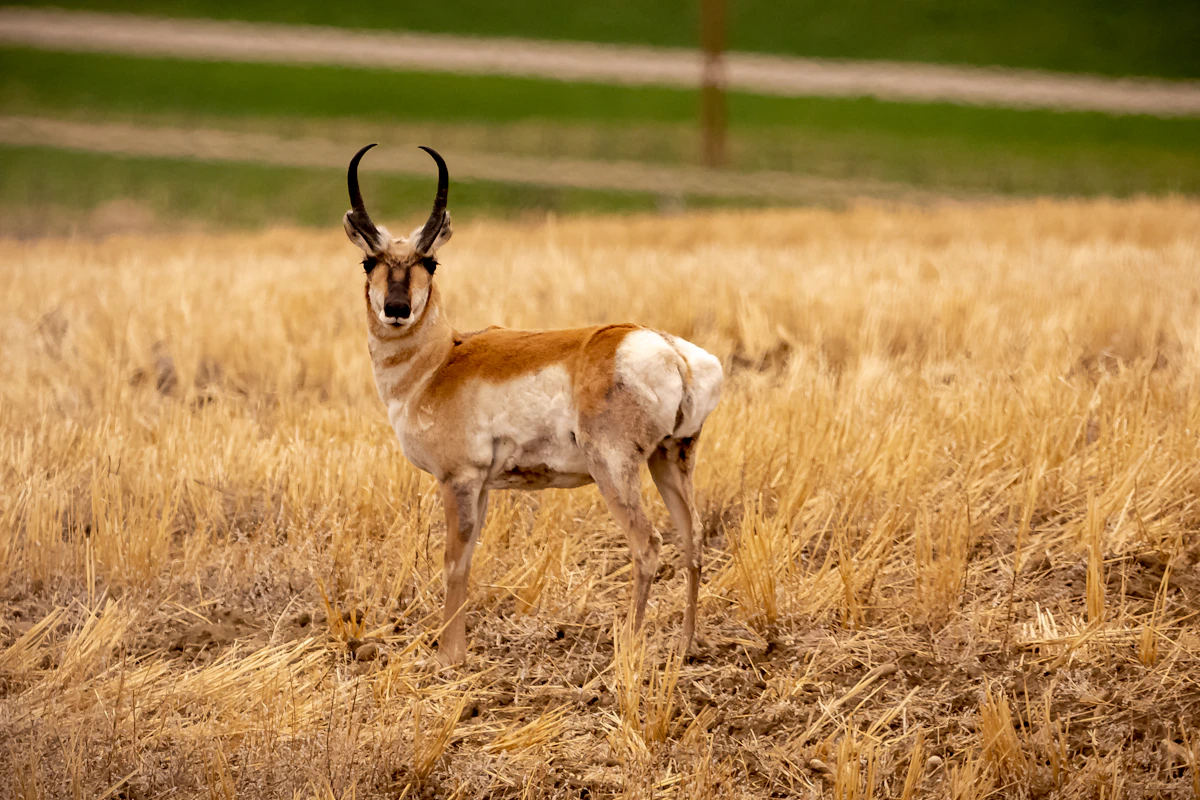
California pronghorn tags are: Extremely Limited. California uses a: Modified Preference-Point System for pronghorn. This means most tags are awarded based on: Preference Points while another portion remains available through: Draw-by-Choice. For hunts with: 4 Or More Tags, California currently awards: 75% Through the Preference-Point Drawing with the remaining portion awarded through: Draw-by-Choice. That distinction is important. A hunter with: Few or Zero Points can potentially draw a California pronghorn tag through the Draw-by-Choice portion. But: The Probability Can Be Extremely Low. Actual: 2027 California Pronghorn Draw Odds do not exist yet. Until the 2027 drawing occurs, hunters should use: 2026 + Earlier Completed Drawing Statistics to evaluate historical competition.
Next
New Mexico Mule Deer Draw Odds by Unit 2027
New Mexico is one of the most interesting states for mule deer applicants because it uses: No Preference Points and: No Bonus Points. Every valid application is assigned a: Random Sequence Number. The draw then evaluates that application's: First Choice → Second Choice → Third Choice before moving to the next application. New Mexico's draw attempts to allocate a minimum of: 84% — New Mexico Resident Pool 10% — Registered Outfitter Pool 6% — Unguided Nonresident Pool. Actual: 2027 New Mexico Mule Deer Draw Odds do not exist yet. Until the 2027 drawing occurs, hunters should use: 2026 + Earlier Completed Draw Data to evaluate historical competition. And don't analyze only: Unit Number. The correct level of analysis is: Exact Hunt Code + Residency/Draw Pool + Choice + Applicant Demand + License Quota.