October Whitetail Strategies: How to Hunt the Lull and Score Big
October whitetail hunting frustrates more hunters than it rewards. The September velvet hunts are over. Bucks have hardened antlers and shifted patterns. The rut is still weeks away. Food sources change as acorns drop and agricultural fields get harvested. Many hunters sit cold stands wondering where the deer went.
The October lull is real, but it is not hopeless. Bucks are still moving. They are just moving differently. Success requires scouting fresh sign, understanding seasonal food transitions, and abandoning your September setups. The hunters who adapt to October conditions consistently tag mature bucks while others wait for the rut to save them.
Why October Feels Different
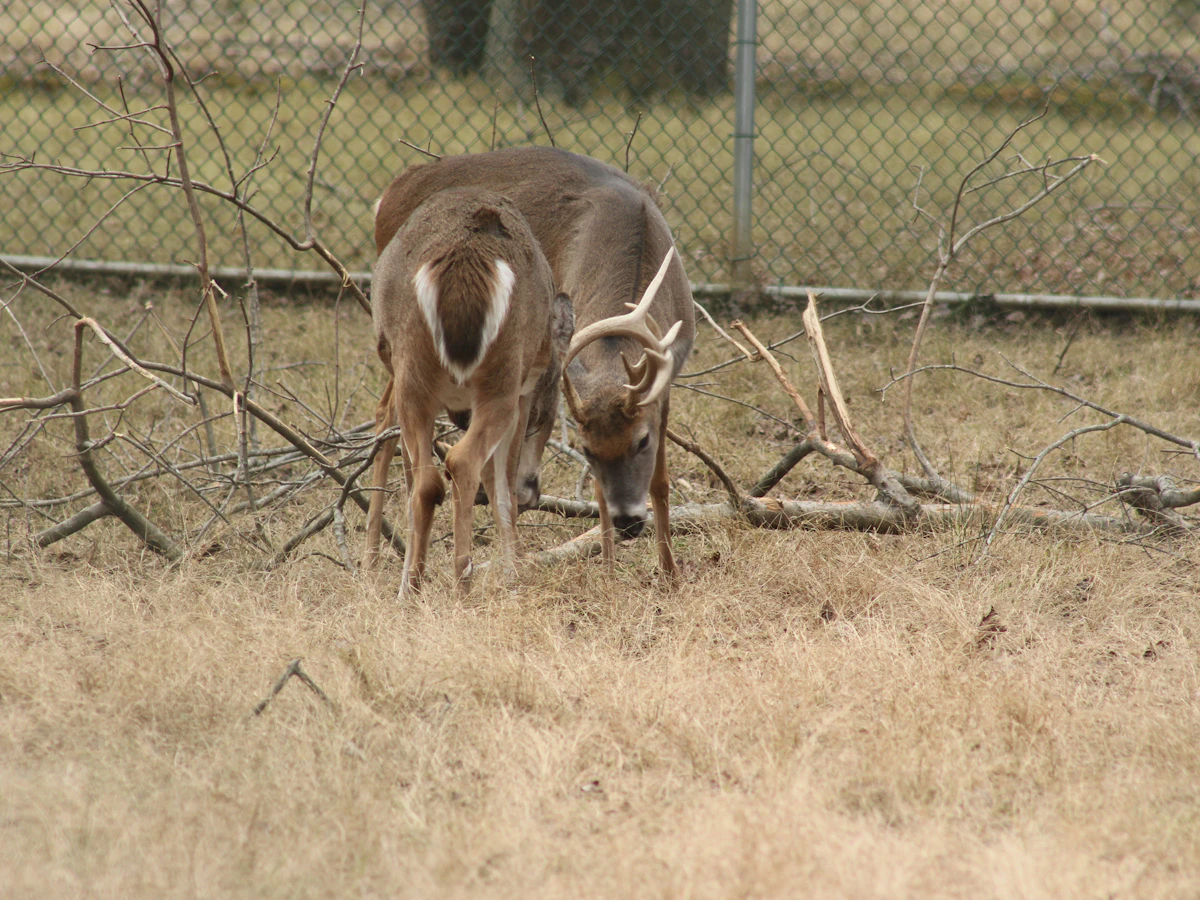
September velvet bucks were visible and predictable. They fed in bachelor groups on agricultural edges at last light. October changes everything. Bucks shed velvet, establish dominance hierarchies, and become more nocturnal. Bachelor groups break apart as the pecking order gets sorted out through sparring and posturing.
Food sources shift dramatically in October. Early-season alfalfa and soybeans lose appeal as acorns hit the ground. Corn and soybean fields get harvested, eliminating cover and predictable feeding areas overnight. Bucks that were patternable in September vanish into thick cover near emerging food sources. The deer are still there. You are just hunting the wrong spots with outdated information.
Pressure compounds the problem. Opening-day hunters push deer deeper into cover. Bucks that tolerated human activity during velvet season now avoid it. They shift to nocturnal movement patterns, leaving only does and young bucks visible during legal shooting hours. This is when most hunters give up and wait for the rut. That is a mistake.
Scout October Food Sources First
October whitetail success starts with finding current food sources. Ignore where deer fed in September. Scout for fresh sign near acorn-producing oaks, standing corn, unharvested soybeans, and browse in thick cover. Walk potential hunting areas midday when deer are bedded. Look for fresh tracks, droppings, and feeding sign that tells you where deer are eating now.
White oak acorns are October gold. Deer prefer white oaks over red oaks because the acorns are sweeter and less bitter. Find a ridge or flat with mature white oaks dropping acorns, and you found an October hotspot. Check for fresh tracks, disturbed leaves, and scattered acorn caps. Bucks will visit these areas throughout October, often during midday when hunting pressure is low.
Agricultural transitions matter. Once corn gets harvested, the freshly cut field becomes a feeding magnet for a few days before deer transition to standing crops or mast. Soybeans in late stages attract deer as they bulk up for winter. Do not hunt the middle of the field. Hunt the transition zones where timber meets agriculture, especially near bedding areas with thick cover.
Browse and soft mast provide backup food when mast crops fail. Honeysuckle, greenbrier, sumac, dogwood, and persimmons all attract deer in October. These food sources often get overlooked because they are harder to recognize than a cornfield. Walk bedding areas and identify what deer are browsing. Set up between the bedding area and the food source, not on top of the food itself.
Adjust Your Stand Locations
Your September stand sites are probably wrong for October. Bucks are not moving the same routes. Food sources changed. Bedding areas shifted deeper into cover. Continuing to hunt outdated stands wastes time and educates deer. Pull your early-season stands and relocate based on current sign and food sources.
Move closer to bedding areas. October bucks often move during midday or late afternoon, traveling short distances from thick cover to nearby food. Hunting the edge of bedding areas increases your odds of catching a buck on his feet during legal shooting hours. Set up 100 to 150 yards from the bedding area, along a travel corridor leading to the current food source.
Focus on funnels and pinch points. October bucks use terrain features like ridges, creek bottoms, fence lines, and timber edges to move between bedding and feeding areas. Find the natural bottlenecks where multiple trails converge. These are high-percentage setups during the October lull when bucks are moving but not cruising like they will during the rut.
Hunt new setups immediately. October bucks pattern hunters faster than hunters pattern them. Do not burn a good stand by hunting it repeatedly in marginal conditions. Hunt when the wind is right, access is clean, and conditions favor deer movement. One perfect sit in a fresh location beats five hunts in a pressured spot.
Master Scent Control and Entry Routes
October bucks are hypersensitive to pressure. They have been hunted for weeks in some states. Every careless entry, bad wind decision, and scent violation teaches them to avoid your stand. Scent control and clean access routes are not optional in October. They determine whether you see mature bucks or educate them.
Plan entry and exit routes that avoid bedding areas and feeding zones. Walk in using terrain features like creek bottoms, fence lines, or field edges that keep you downwind and out of sight. Use the same route every time so your scent trail becomes predictable and avoidable. Bucks tolerate human scent on known trails better than random intrusions into their core area.
Hunt the wind religiously. October thermals are tricky. Morning thermals fall from ridges into valleys. Evening thermals rise from valleys to ridgetops. Wind direction changes throughout the day. Use a wind checker before every hunt and during the sit. If the wind shifts wrong, climb down and leave. One bad sit can ruin a stand for the rest of October.
Scent-elimination clothing, boot covers, and ozone generators all help, but they do not replace smart wind decisions. Shower with scent-free soap. Wash your clothes in scent-free detergent. Store your hunting clothes in sealed bags with earth scent wafers. These steps reduce your scent signature, but they do not eliminate it. The wind remains your primary defense against a mature buck's nose.
Hunt All-Day Sits When Conditions Align
October bucks move during midday more than hunters realize. Hunting pressure keeps them nocturnal, but low-pressure days with favorable weather trigger movement at unexpected times. All-day sits near bedding areas and funnels increase your chances of catching a buck on his feet when other hunters are sitting at home.
Cold fronts trigger movement. A dropping barometer and falling temperatures make deer more active. Plan all-day sits when a cold front arrives, especially if it follows several warm days. Bucks will get up to feed during midday, cruise between bedding areas, and check scrapes they ignore during warm weather.
Overcast days with light wind are ideal for all-day sits. Bright, sunny October days shut down daytime movement. Deer bed in thick cover and wait for darkness. Cloudy days with temperatures in the 40s or 50s keep deer comfortable and active throughout the day. Bring snacks, stay quiet, and remain alert. The biggest bucks often move when you least expect it.
Hunt comfortable. All-day sits require preparation. Bring extra layers, a seat cushion, snacks, water, and a pee bottle. Wear insulated boots even if the morning temperature does not warrant them. Your feet will thank you by hour six. Stay off your phone. Deer do not move on a schedule, and the one time you look down to scroll social media is when the shooter walks by.
Use Mock Scrapes and Licking Branches
October bucks are not rutting yet, but they are establishing dominance and marking territory. Mock scrapes and enhanced licking branches appeal to their competitive nature. Bucks will visit scrapes during daylight hours in October, especially in low-pressure areas near bedding zones.
Create mock scrapes along existing travel routes between bedding and feeding areas. Clear a 3-foot circle of leaves and debris down to bare dirt. Break or trim an overhanging branch at nose height. Apply a small amount of buck urine or tarsal gland scent to the licking branch. Do not overdo the scent. A little goes a long way, and too much smells unnatural.
Enhance existing scrapes rather than creating new ones. Find fresh scrapes along buck travel corridors and refresh the licking branch with scent. Bucks visit these scrapes regularly during October, and your scent enhancement increases the odds of a daylight visit. Set your stand downwind and within bow range of the scrape. Do not sit directly over the scrape. Bucks often circle downwind before committing.
Check your scrapes with trail cameras, not your boots. Walking to scrapes repeatedly contaminates the area with human scent and educates bucks. Place cameras at scrapes when you create them, then leave them alone until you pull cards at the end of the month. The photos tell you which bucks are using the scrape, what time they visit, and whether the setup is worth hunting.
Adapt to Hunting Pressure
October hunting pressure pushes bucks deeper into cover and shifts their movement patterns. Public land bucks become almost entirely nocturnal by mid-October in high-pressure states. Success requires hunting where other hunters are not and adapting your tactics to pressured deer behavior.
Hunt deeper than other hunters. Most hunters set up within 200 yards of roads, parking areas, and field edges. Bucks learn this pattern quickly. Walk an extra half-mile into thick cover, swamps, or broken terrain where other hunters do not venture. The hunting is harder, but the bucks are less educated.
Hunt midweek instead of weekends. Weekend hunting pressure drives deer nocturnal by Monday morning. If you can hunt Tuesday, Wednesday, or Thursday, you will encounter bucks that relaxed after the weekend warriors left. Pressure resets midweek, and deer return to semi-normal movement patterns.
Still-hunt and spot-and-stalk when stand hunting is not working. October bucks bed in thick cover during high-pressure periods. Sitting a stand all day rarely pays off when deer are not moving. Still-hunting slowly through bedding areas during midday or using optics to spot bedded bucks from a distance lets you adapt to pressured deer. Move slowly, glass thoroughly, and be ready for quick shots at close range.
October Gear Essentials
October weather swings from warm mornings to freezing evenings. Layering systems keep you comfortable during all-day sits. Start with a merino wool base layer that wicks moisture and insulates when wet. Add a midweight fleece or synthetic insulation layer. Top it with a windproof, waterproof outer shell. Bring extra layers in your pack and adjust as temperatures change throughout the day.
Insulated boots matter more in October than September. Your feet will get cold sitting motionless for hours, even when temperatures are in the 50s. Invest in quality insulated boots rated for temperatures 20 degrees colder than the forecast. Cold feet ruin hunts faster than anything else. Add merino wool socks and chemical toe warmers for extra insurance.
Range finders, binoculars, and wind checkers are non-negotiable in October. Bucks appear at unexpected distances in thick cover. Knowing the exact range prevents low shots and missed opportunities. Binoculars help you identify bucks before they get close, and wind checkers let you monitor shifting thermals throughout the day. Do not leave these tools at home.
When to Transition to Pre-Rut Tactics
October strategies work until the pre-rut kicks in, usually in the last week of October or first week of November depending on latitude. Watch for behavioral changes that signal the transition. Bucks start cruising between doe bedding areas, scrape activity intensifies, and rubs appear along travel corridors. When you see these signs, shift your tactics from October lull strategies to pre-rut aggression.
Trail cameras tell you when to switch tactics. If your cameras show bucks moving during daylight hours, visiting scrapes repeatedly, and cruising past setups instead of feeding, the pre-rut has started. Pull your October setups and relocate to funnels between doe bedding areas. Start using rattling horns and aggressive calling tactics.
Do not wait too long. The transition from October lull to pre-rut happens fast, sometimes in 48 hours. Hunters who cling to October setups during the pre-rut miss the best week of the season. Pay attention to behavior, adapt quickly, and be ready to hunt harder when bucks start moving.
FAQ — October Whitetail Hunting
Why are bucks so hard to find in October?
Bucks become more nocturnal after shedding velvet, food sources shift as acorns drop and fields get harvested, and hunting pressure pushes them into thick cover. They are still moving, just during different times and in different locations than September.
What are the best food sources to hunt in October?
White oak acorns are the top October food source, followed by standing corn, late-stage soybeans, and browse like honeysuckle and greenbrier. Focus on transition zones between bedding and feeding areas rather than hunting directly over food.
Should I move my stands from September locations?
Yes. September patterns rarely hold into October. Scout for current food sources and fresh sign, then relocate stands closer to bedding areas along active travel corridors. Do not waste time hunting outdated setups.
Do mock scrapes work in October?
Yes. Bucks visit scrapes during October to establish dominance and mark territory. Create mock scrapes along travel corridors near bedding areas, or enhance existing scrapes with buck urine. Set up downwind and within shooting range.
How do I hunt pressured October bucks on public land?
Hunt deeper than other hunters, focus on midweek days instead of weekends, and consider still-hunting through bedding areas during midday when stand hunting is not producing. Pressured bucks are more active in low-traffic areas and during off-peak times.
When should I stop using October tactics and switch to rut strategies?
Switch when you see increased scrape activity, bucks cruising during daylight, and fresh rubs along travel corridors. This typically happens in late October or early November. Trail cameras help identify the transition.
Continue Planning Your Hunt
October whitetail hunting is as much about homework as it is time in the stand. Scouting current food sources, relocating stands based on fresh sign, and adapting to pressure separates successful hunters from those who sit cold stands wondering where the deer went.
TAGZ helps you plan smarter hunts by organizing your scouting notes, tracking trail camera data, and managing multiple properties in one platform. Whether you are chasing public land bucks or managing private ground, TAGZ gives you the tools to make data-driven decisions before you ever climb into a stand. Compare terrain, track patterns across seasons, and build a hunting strategy that adapts as conditions change throughout October.
For more strategies on patterning mature bucks and maximizing your season, explore the TAGZ Insights blog for expert tips on scouting, stand placement, and seasonal tactics. Ready to take your hunt planning to the next level? Check out TAGZ pricing and see how the platform helps you organize everything from October lull strategies to rut tactics in one place. Learn more about how TAGZ simplifies hunt planning at getmytagz.com.
Was this article helpful?
Previous
Best Bugle Tubes for Elk Hunting in 2025: Field-Tested Picks
The right bugle tube amplifies your elk calls and projects sound farther into the timber. We break down the best options for backcountry hunters, their sound profiles, and how to match a tube to your calling style.
Next
How to Find Overlooked Elk Hunting Areas That Other Hunters Miss
Most hunters crowd the same trailheads and glassing knobs year after year. Here's how to systematically identify overlooked elk country that holds animals but sees minimal pressure.