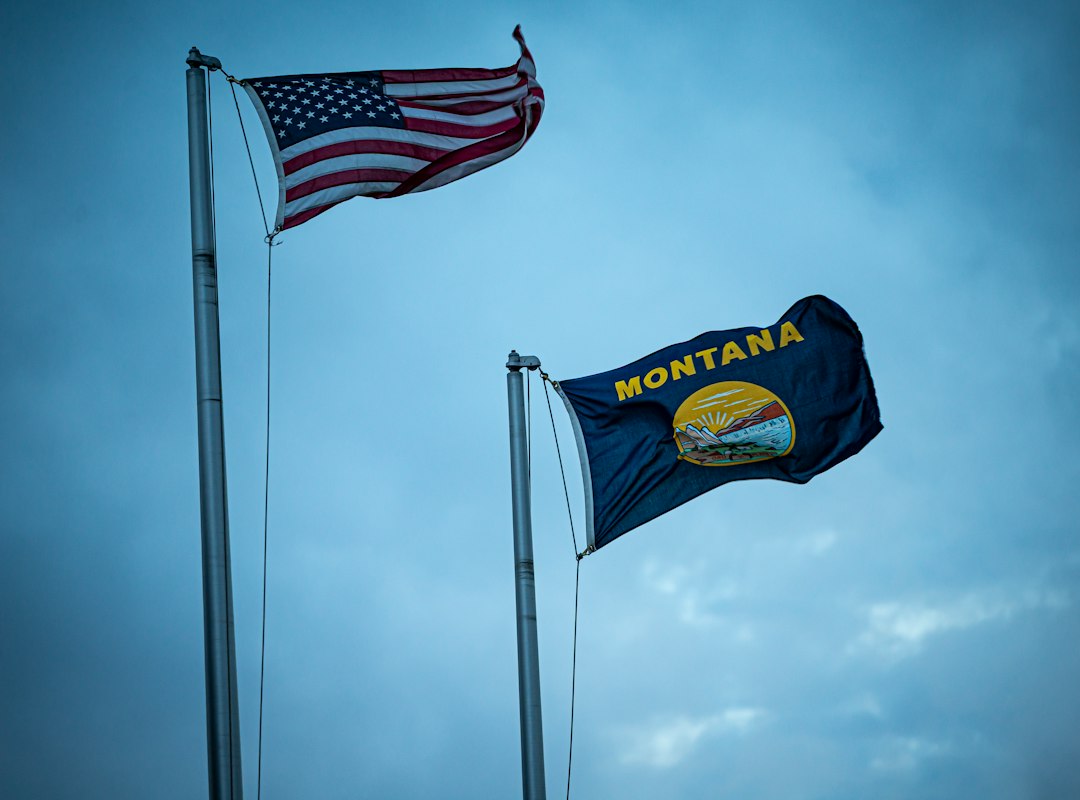
Montana offers one of the most accessible wolf hunting opportunities in the Lower 48, with general seasons covering most of the state and special quota-based management in select units. The 2027 regulations continue Montana's framework of separating the state into general hunting areas and quota-based zones, with distinct rules for tribal trust lands. Understanding tag structure, season dates, weapon restrictions, and reporting requirements is essential before pursuing wolves in Montana.
Wolf Tag Types and Purchase Requirements
Montana residents can purchase a wolf hunting license for $19 and a wolf trapping license for $24.50. Nonresidents pay $50 for a wolf hunting license and $250 for a wolf trapping license. Both residents and nonresidents may purchase both licenses in the same year, allowing participation in both hunting and trapping seasons. No preference points, bonus points, or lottery system applies to wolf licenses — they are available over-the-counter while supplies last. A valid Montana conservation license is required before purchasing any wolf license.
Wolf licenses are valid statewide except on tribal trust lands managed under separate agreements. Hunters and trappers must carry their wolf license while pursuing wolves and must validate the license immediately upon harvest by notching the month and day of kill.
General Hunting Season Dates and Regulations
Montana's general wolf hunting season in 2027 runs from September 15 through March 15 statewide, excluding quota-based units and tribal trust lands. This season allows hunters to pursue wolves with archery equipment, rifles, and other legal hunting methods during daylight hours. Night hunting is prohibited. Electronic calls are legal for wolf hunting. Hunters may use bait on private land with landowner permission, but baiting on public land is prohibited.
There is no bag limit in general hunting areas — a hunter with a valid wolf hunting license may harvest multiple wolves during the season. Each wolf must be reported within 24 hours of harvest, and the pelt and skull must be presented to Montana Fish, Wildlife & Parks for inspection and sealing within 10 days.
Quota-Based Wolf Management Units
Several wolf management units operate under harvest quotas rather than general seasons. These units typically include areas near Yellowstone and Glacier National Parks where wolf populations are monitored more closely. When the harvest quota is reached in a specific unit, the season closes immediately in that unit only. General hunting areas remain open.
Quota units and their specific limits are published in the annual Montana Wolf Regulations document. Hunters targeting quota units should check FWP's website regularly for closure announcements. Once a quota unit closes, any wolves harvested in that unit after closure may result in citation and license revocation.
Wolf Trapping Season and Methods
Montana's general wolf trapping season runs from December 15 through February 28, 2027, in most areas. Trappers must complete a mandatory wolf trapping certification course before purchasing a wolf trapping license for the first time. This course covers trap types, placement, checking requirements, and non-target release techniques. The certification is valid for life and does not need to be repeated in subsequent years.
Legal traps include foothold traps, cage traps, and neck snares meeting specific specifications. Traps must be checked at least once every 48 hours. Trappers must obtain written permission before setting traps on private land and must follow specific setback requirements from trails, roads, and campgrounds on public land. All trap locations must be recorded and reported if requested by FWP.


Free to join
Download mobile app
- Detailed draw odds
- Point tracking
- Deadline reminders
- 19 states covered





Free to join
Download mobile app
- Detailed draw odds
- Point tracking
- Deadline reminders
- 19 states covered






Free to join
Download mobile app
- Detailed draw odds
- Point tracking
- Deadline reminders
- 19 states covered

Tribal Trust Lands and Special Closures
Tribal trust lands within the boundaries of the Flathead Indian Reservation are closed to wolf hunting and trapping unless the hunter or trapper is an enrolled tribal member or has obtained special permission through the Confederated Salish and Kootenai Tribes. This closure applies to all Montana-licensed hunters and trappers regardless of residency. Violating this closure is prosecuted as trespass and poaching under both state and tribal law.
Additionally, Yellowstone National Park and Glacier National Park are closed to all hunting and trapping. Wolves may not be pursued, shot, or trapped within park boundaries. Wolves leaving park boundaries onto adjacent state or federal lands are legal to harvest in accordance with Montana regulations, but hunters must be certain of boundary locations before taking any shot.
Reporting and Inspection Requirements
Montana requires all harvested wolves to be reported within 24 hours via phone or online through the FWP website. The report includes date, location, method of harvest, and hunter or trapper license number. Following the initial report, the entire wolf carcass or at minimum the hide and skull must be presented to an FWP office for inspection and sealing within 10 days of harvest.
During inspection, FWP staff will remove a tooth for age analysis, seal the pelt, and record biological data. The sealed pelt may then be kept by the hunter or trapper. Failure to present a harvested wolf for inspection is a violation and may result in forfeiture of the pelt and future hunting or trapping privileges.
Weapon and Equipment Restrictions
Wolf hunting during the general season allows any legal firearm or archery equipment permitted for big game hunting in Montana. This includes rifles, shotguns, handguns, muzzleloaders, and bows. Crossbows are legal for wolf hunting without restriction. Hunters may not use fully automatic firearms, explosives, or poison.
Electronic calls and artificial lights mounted on vehicles are legal for wolf hunting, but shooting from a vehicle or road is prohibited except for hunters with a designated hunter permit due to disability. Hunters using spotlights or artificial light must be on foot and off roadways when taking a shot.
Montana Wolf Populations and Management Goals
Montana's wolf population is estimated at over 1,100 wolves across the state, well above the federal minimum recovery threshold. Montana Fish, Wildlife & Parks manages wolves as a big game species with the goal of maintaining a sustainable population while reducing conflicts with livestock and elk populations. Harvest regulations are set annually based on population monitoring, livestock depredation reports, and elk recruitment data.
The general season structure allows flexible harvest statewide, while quota-based units near national parks provide additional conservation measures in areas where wolves contribute to ecosystem function and ecotourism. Montana's wolf management plan undergoes periodic review and public comment, with regulations adjusted as needed to balance conservation and conflict reduction.
FAQ — Montana Wolf Hunting
Can nonresidents hunt wolves in Montana? Yes. Nonresidents can purchase an over-the-counter wolf hunting license for $50 and a wolf trapping license for $250, with no quota or lottery system limiting nonresident opportunity.
Do I need a general big game license to hunt wolves? No. A wolf hunting license is separate from deer and elk licenses. You only need a Montana conservation license and a wolf hunting or trapping license to pursue wolves.
How many wolves can I harvest in Montana? There is no bag limit in general hunting areas. Hunters may harvest multiple wolves throughout the season. Quota-based units close once their specific harvest limit is reached.
Are wolves open for hunting year-round? No. The general hunting season runs September 15 through March 15. Trapping season is shorter, typically December 15 through February 28. Dates vary slightly in quota units.
Can I hunt wolves on national forest land? Yes, national forests in Montana are open to wolf hunting during the general season, following all FWP regulations. National parks are closed to hunting.
What happens if I shoot a wolf in a closed quota unit? Harvesting a wolf in a unit that has reached its quota and closed results in a violation, potential fine, forfeiture of the wolf, and possible suspension of hunting privileges.
Was this article helpful?
Previous
Nebraska Elk Draw Odds and Tag Guide 2027
Nebraska's elk herd is small but growing, with just 15 tags offered annually through a preference point system. Nonresidents now face 10+ year waits for their first tag as point creep accelerates.

Related
Best Public Land Deer Hunting in Wisconsin: 2027 Guide to Top Units and Tactics
Wisconsin offers over 1.5 million acres of public hunting land with exceptional whitetail opportunities. This guide covers the top deer management units, public land strategies, and what makes Wisconsin a destination for public-land deer hunters.
Next
Nebraska Guided Whitetail Hunts 2027: Tags & Outfitters
Nebraska offers excellent guided whitetail opportunities with straightforward over-the-counter tags and quality outfitters across river-bottom and agricultural country. Here's how to secure your 2027 tag and choose the right guide service.