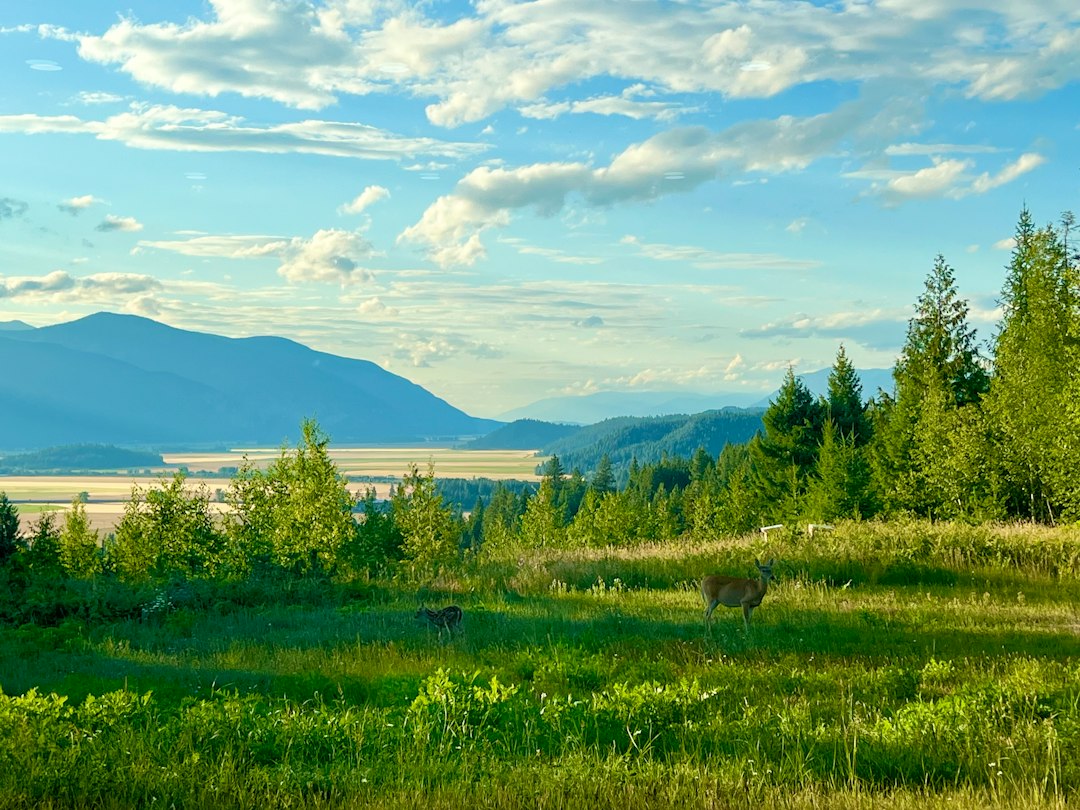
Idaho Super Hunt Strategy: Where Should You Hunt If You Actually Win?
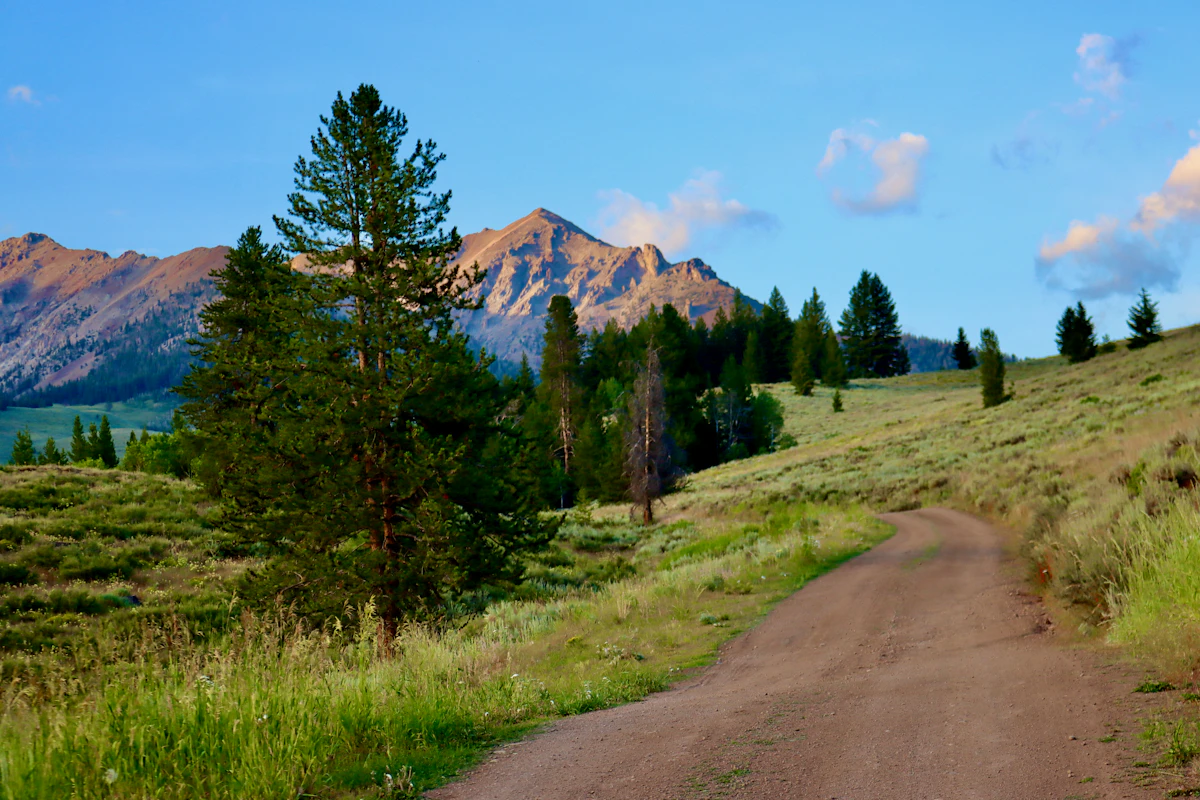
Idaho Super Hunt Strategy: Where and How to Hunt After You Win
Winning an Idaho Super Hunt gives you something most Idaho hunters never have: the flexibility to choose among open hunting opportunities across the state for the species you drew.
A Super Hunt winner can participate in any open general or controlled hunt in Idaho for the species drawn. That doesn't mean the tag overrides Idaho's hunting regulations. You must still follow the dates, boundaries, weapon restrictions, sex restrictions, access requirements, and other rules of the individual hunt you choose.
That makes research after winning especially important. Instead of being locked into the single hunt selected during a normal controlled-hunt application, a Super Hunt winner can compare Idaho's available opportunities and decide which hunt best matches their goals.
Understanding the Idaho Super Hunt Program
Idaho's Super Hunt includes four big-game species:
Deer
Elk
Pronghorn
Moose
Hunters purchase entries into a random drawing. There is no preference-point system associated with Super Hunt, and Idaho does not use preference points for its regular controlled-hunt drawing.
If selected, a Super Hunt winner isn't assigned to one specific unit. The hunter can participate in any open general or controlled hunt for the species drawn while following the regulations governing that particular hunt.
This flexibility is what makes Super Hunt different from a standard controlled-hunt tag.
Choosing Where to Hunt After Winning Super Hunt
There isn't one universally "best" Idaho unit for a Super Hunt winner.
The right hunt depends on your species, preferred weapon, available time, physical ability, access requirements, season dates, and hunting goals.
Instead of automatically choosing the most famous unit, start by comparing actual hunting opportunities.
Look at Current Hunt Regulations
Determine exactly which hunts are open for your species and review:
Season dates
Hunt boundaries
Legal methods of take
Sex and antler restrictions
Motorized travel restrictions
Access limitations
Other hunt-specific regulations
A Super Hunt tag provides flexibility, but the individual hunt's regulations still matter.
Study Historical Harvest Information
Historical harvest statistics can provide useful context when comparing Idaho hunting opportunities.
Look at information such as historical harvest, hunter numbers, and other unit- or hunt-level statistics that are publicly available.
Historical results don't guarantee future success. Weather, wildfire, access, animal distribution, hunting conditions, and other factors can change from year to year.
Consider Access Before Choosing a Hunt
Some Idaho hunts involve relatively accessible country, while others include extremely remote terrain.
For example, Idaho's Selway Zone includes Units 16A, 17, 19, and 20 and contains extensive federally designated wilderness. Large portions of the zone have no motorized access.
A famous hunt isn't necessarily the right hunt if its access requirements don't match your available time, equipment, or physical preparation.
Elk Strategy for a Super Hunt Winner
An elk Super Hunt winner has the ability to compare open elk hunts throughout Idaho instead of being committed to one controlled hunt.
Start by identifying hunts that match the type of elk hunting you want to do.
Consider Season Timing
Idaho offers elk opportunities during different portions of the fall, depending on the hunt.
Instead of assuming one period is automatically best, compare the actual open hunts and consider how their dates correspond with elk behavior, weather, access, and your preferred hunting method.
Evaluate Terrain
Idaho elk country varies dramatically.
Depending on the hunt, you could encounter:
Steep timbered mountains
Wilderness country
River canyons
High-elevation basins
Broken timber and openings
More accessible roaded country
A hunt that looks attractive based on historical statistics may be considerably more difficult once terrain and access are considered.
Don't Automatically Chase the Most Famous Hunt
Super Hunt gives you choices.
Use them.
A highly sought-after controlled hunt may fit your goals, but another hunt could provide better dates, easier access, terrain you're more comfortable hunting, or simply a better fit for the amount of time you have available.
Research the actual hunt rather than choosing solely on reputation.
Mule Deer Strategy for a Super Hunt Winner
A deer Super Hunt provides similar flexibility.
Idaho has mule deer opportunities across very different habitats, from open southern Idaho country to rugged mountain terrain.
Match the Hunt to Your Preferred Hunting Style
If you prefer glassing, evaluate hunts with terrain that provides opportunities to cover country visually.
If you prefer hunting timber and broken cover, look for opportunities that fit that style.
The goal isn't simply finding a famous unit. It's finding an open hunt whose terrain, dates, access, and regulations fit the way you want to hunt.
Consider Season Dates Carefully
Different deer hunts can occur during very different portions of the fall.
Later dates may provide different deer behavior and weather conditions than early-season hunts, but hunters shouldn't assume a later hunt automatically produces better hunting.
Research the specific opportunity.
Pronghorn and Moose Super Hunt Strategy
Don't overlook the other two Super Hunt species.
Idaho also offers Super Hunt opportunities for pronghorn and moose.
A pronghorn winner should compare open hunts based on season dates, access, land ownership, hunt boundaries, and historical information.
Moose requires a different approach. Because Idaho moose opportunities can cover large and varied areas, winners should carefully research habitat, access, season dates, and the regulations governing each available hunt before deciding where to focus.
Terrain and Access Planning
Once you've narrowed your hunt choices, study the terrain before arriving.
Identify Important Terrain
Depending on the species and season, useful terrain features to examine can include:
Ridges and glassing points
Creek and river drainages
Timber/open-country transitions
Basins
Saddles
Escape cover
Roadless areas
Public/private boundaries
These features don't tell you exactly where an animal will be. They help you understand the country and develop a scouting plan.
Verify Legal Access
Idaho contains a mixture of federal, state, and private land.
Do not assume that being inside a hunt boundary means every piece of land is publicly accessible.
Check current land ownership, road restrictions, motorized travel rules, wilderness boundaries, and private-property access before hunting.
Build More Than One Hunt Plan
One of the biggest advantages of Super Hunt is flexibility.
Take advantage of it by developing multiple options rather than betting everything on one location.
You might build:
Plan A: Your preferred controlled hunt based on dates, terrain, access, and hunting goals.
Plan B: Another open hunt that provides a different season or hunting style.
Plan C: An alternative opportunity if weather, wildfire, access, or other conditions change your original plans.
Because Super Hunt allows participation in different open hunts for the species drawn, you have more flexibility than a hunter holding a single standard controlled-hunt tag.
You still must follow the rules of each hunt.
Preparing for an Idaho Super Hunt
Gear and Equipment
Match your equipment to the hunt you actually select.
Depending on terrain and access, that could mean prioritizing:
Quality optics
Reliable navigation
Appropriate boots
Layering systems
Backpacking equipment
Meat-hauling equipment
Emergency communication equipment
A remote wilderness elk hunt requires a very different setup than a more accessible pronghorn hunt.
Physical Preparation
Research the terrain before committing to a hunt.
Elevation change, steep slopes, roadless country, distance from access points, and pack-out requirements can dramatically change the difficulty of a hunt.
Choose an opportunity you're prepared to hunt effectively and safely.
Don't Forget the Individual Hunt Rules
This is one of the most important things for Super Hunt winners to understand.
Super Hunt provides extraordinary flexibility, but it does not eliminate the regulations governing individual Idaho hunts.
Before hunting, confirm the current:
Season dates
Hunt boundaries
Weapon restrictions
Sex/antler restrictions
Access restrictions
Motorized travel regulations
Tag requirements
Harvest regulations
Always verify the current rules directly with Idaho Fish and Game before hunting.
FAQ — Idaho Super Hunt Strategy
Can an Idaho Super Hunt winner hunt controlled hunts?
Yes. Super Hunt winners may participate in any open general or controlled hunt for the species drawn. The rules of the individual hunt still apply.
Is a Super Hunt winner assigned to a specific unit?
No. A Super Hunt winner isn't restricted to one predetermined unit. The winner can choose among open hunting opportunities for the species drawn.
What species are included in Idaho Super Hunt?
Deer, elk, pronghorn, and moose.
Does Idaho Super Hunt use preference points?
No. Super Hunt is a random drawing, and Idaho's regular controlled-hunt system does not use a traditional preference-point system either.
Can I hunt more than one Idaho unit with a Super Hunt tag?
A Super Hunt winner may participate in different open hunts for the species drawn, provided all applicable regulations are followed and the tag has not been filled.
How should I choose where to use an Idaho Super Hunt tag?
Compare current hunt dates, regulations, access, terrain, historical harvest information, and the type of hunting experience you want.
Should I automatically hunt Idaho's most famous controlled unit?
Not necessarily. A well-known hunt may be attractive, but access, dates, terrain, hunting method, available time, and your individual goals should all influence the decision.
Does a Super Hunt tag override weapon restrictions?
No. Super Hunt winners must follow the rules and legal methods of take for the individual hunt they participate in.
Can TAGZ help research an Idaho Super Hunt?
TAGZ can help you research Idaho units, draw information, seasons, maps, and hunting opportunities when comparing potential hunts. Always use current Idaho Fish and Game regulations as the final authority on hunt rules.
Continue Planning Your Hunt
Winning an Idaho Super Hunt doesn't answer the question of where you should hunt. It gives you considerably more choices.
Use that flexibility to compare Idaho's open hunting opportunities instead of automatically choosing a unit based on reputation.
Research the dates, regulations, historical information, access, terrain, and hunting style associated with each opportunity. Build multiple plans so you can adjust when conditions change.
Use TAGZ to research Idaho units, draw information, seasons, maps, and Western hunting opportunities as you build your plan.
Before hunting, confirm all season dates, boundaries, weapon restrictions, access requirements, and other regulations directly with Idaho Fish and Game.
Was this article helpful?
Previous
Best Idaho Elk Hunts for Nonresidents 2027
Discover the top Idaho elk hunts for nonresidents in 2027, including units with high success rates, draw odds, and strategic tips for planning your hunt.
Next
Best Idaho Mule Deer Hunts for Nonresidents 2027
Discover Idaho's top mule deer hunting opportunities for nonresidents in 2027, including unit highlights, application tips, and strategies for a successful hunt.