Guided Mountain Goat Hunts 2027: Outfitters, Hunt Options & Costs
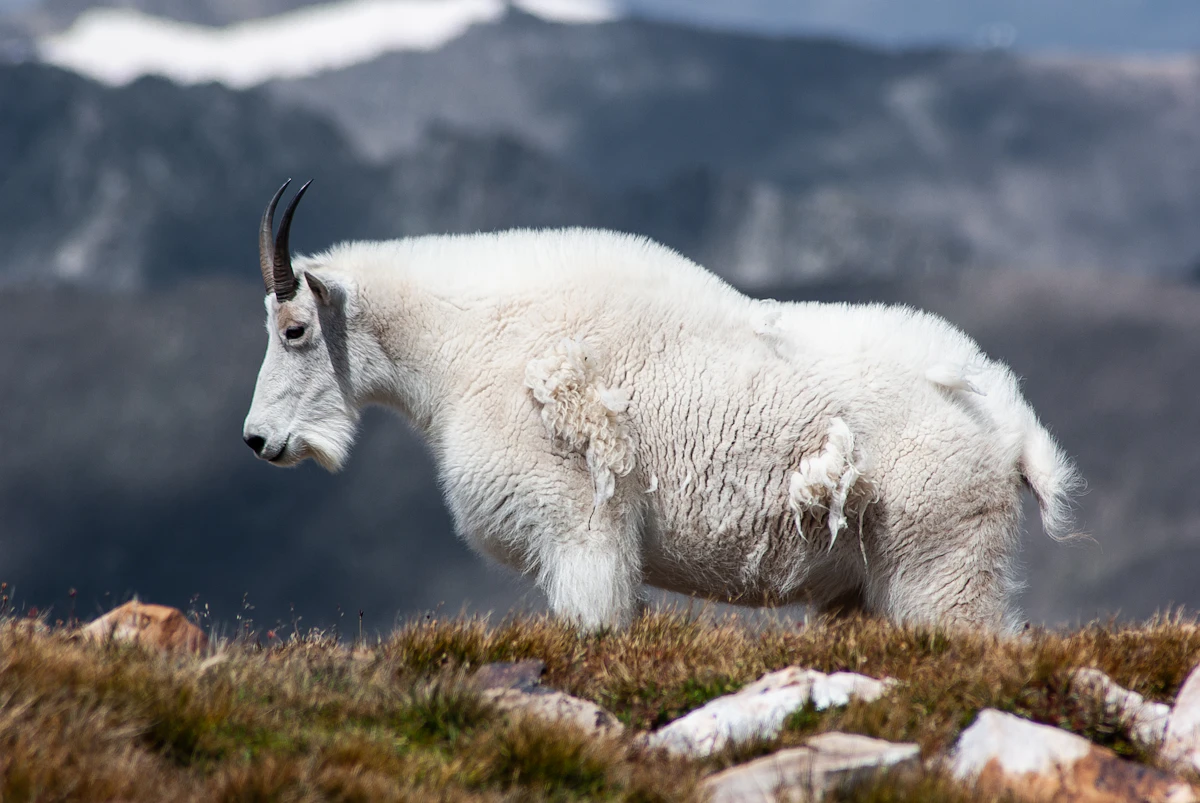
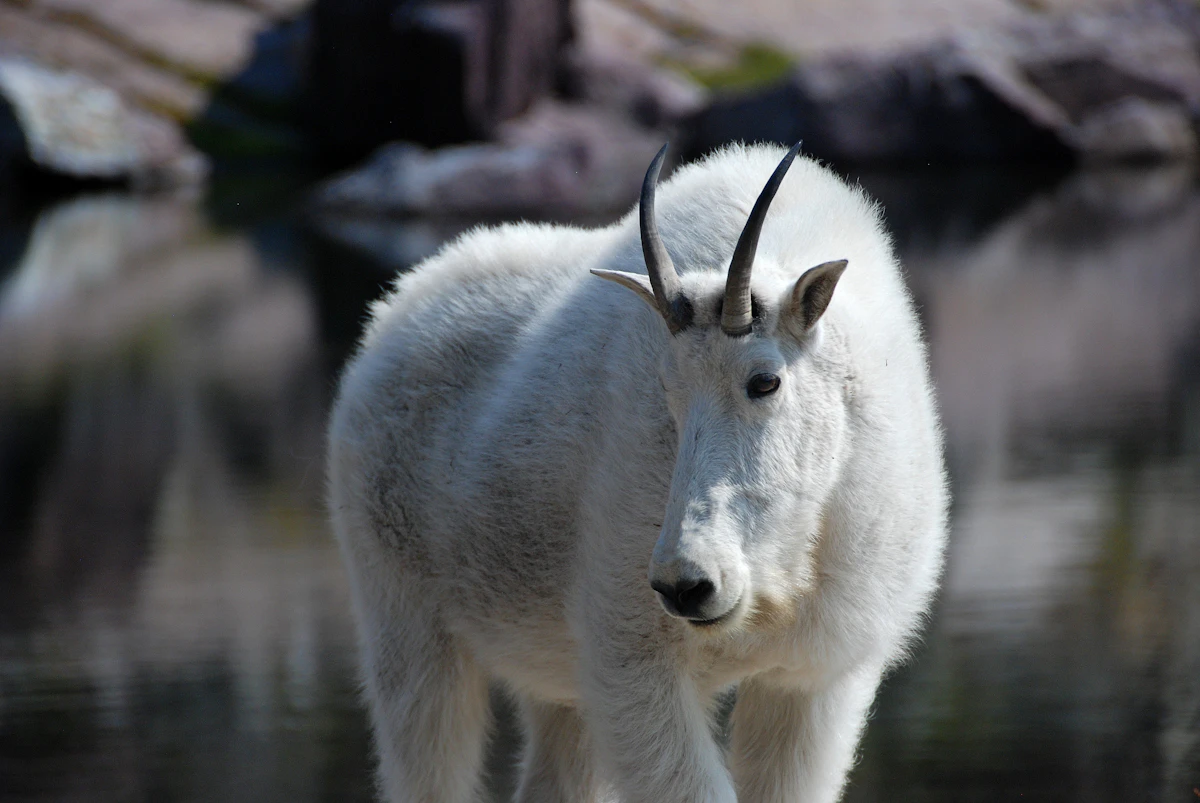
Guided mountain goat hunts are among the most demanding and memorable big game experiences available in North America. Pursuing a mature mountain goat through steep alpine terrain requires physical preparation, careful planning, mountain-hunting experience, and often the assistance of a professional outfitter.
For hunters planning a guided mountain goat hunt in 2027, Alaska and western Canada offer some of the most established outfitted opportunities. British Columbia, Yukon, and parts of Alaska have long supported mountain goat hunting, while other jurisdictions provide more limited or specialized opportunities.
However, not all mountain goat hunts are alike.
Some require hunters to draw a limited-entry permit before booking an outfitter. Others may offer outfitter-supported access to licenses through annual allocations or general-season systems, subject to local rules and availability.
A guided mountain goat hunt commonly costs approximately $12,000–$30,000 or more before travel, license fees, gratuities, and taxidermy. This is a broad planning estimate rather than a verified 2027 price quote. Remote fly-in hunts, premium territories, and combination hunts can cost considerably more.
This guide compares the major destinations, explains how licensing works, outlines expected costs, and helps hunters evaluate outfitters before booking.
Guided Mountain Goat Hunts 2027: Quick Comparison
Destination Guided Opportunities Typical Licensing Structure General Cost Position Alaska Established guide industry Drawing, registration or other area-specific permits High British Columbia Established nonresident outfitting industry Authorized guide and applicable licenses/quotas High Yukon Remote authorized outfitter hunts Territory and concession-specific rules High to very high Washington Guided hunt after permit award Highly competitive special-permit draw Guide price varies Montana Guided hunt after permit award Highly competitive limited-entry draw Guide price varies Idaho Guided hunt after permit award Controlled hunt and other applicable rules Guide price varies
Important: This table describes potential hunting arrangements, not confirmed 2027 bookings or guaranteed tag availability. Mountain goat hunts are tightly regulated, and opportunities can change with population management decisions.
How Much Does a Guided Mountain Goat Hunt Cost in 2027?
The cost of a guided mountain goat hunt depends on where the hunt takes place, the level of logistical support, how remote the hunting area is, and the outfitter's pricing structure.
Alaska and Canadian hunts can require bush-plane flights, boats, horses, helicopters where legally permitted, remote camps, and substantial staff support.
A lower advertised package price does not necessarily mean a lower final cost.
Estimated Guided Mountain Goat Hunt Prices
Hunt Type Estimated Outfitter Price Basic guided mountain goat hunt$12,000–$17,000Standard guided Alaska mountain goat hunt$15,000–$25,000Guided British Columbia mountain goat hunt$15,000–$25,000Remote Yukon mountain goat hunt$20,000–$30,000+Premium fly-in or specialized hunt$25,000–$35,000+Guided combination huntHighly variable
These ranges are illustrative budgeting estimates, not published or verified quotes from specific outfitters. Currency, exchange rates, included services, and hunt dates can materially change actual pricing.
What Is Usually Included in the Hunt Price?
Many guided mountain goat packages include professional guiding, camp accommodations, field meals, local transportation during the hunt, and assistance with trophy and meat recovery.
However, every outfitter structures packages differently.
Some outfitters charge separately for charter flights, boat transportation, trophy shipping, hotels, licenses, or additional hunting days.
Always request a written list of inclusions and exclusions.
Additional Costs to Budget For
Expense Planning Consideration Hunting license and species tag Depends on jurisdiction and residency Commercial transportation Airfare, rental vehicle or regional flights Bush-plane or boat charter May be included or billed separately Hotel before and after the hunt Depends on travel schedule Gratuities Often additional Taxidermy Depends on mount type and provider Trophy shipping Particularly relevant for international hunts Meat processing and transportation Subject to local laws and logistics Travel insurance Consider trip interruption and evacuation coverage Emergency evacuation Confirm insurance and outfitter arrangements
Example: Total Budget for a Guided Mountain Goat Hunt
Consider a hypothetical $20,000 guided mountain goat package.
Expense Example Cost Outfitter package$20,000Travel$1,500Licenses and fees$1,000Hotels and miscellaneous expenses$500Gratuities$2,000Trophy preparation and shipping$1,500Estimated total$26,500
This example illustrates how expenses beyond the outfitter's advertised price can affect the final budget. It is not a quote or a prediction of actual 2027 costs.
Guided Alaska Mountain Goat Hunts 2027
Alaska is one of North America's most recognized mountain goat hunting destinations.
Mountain goats occupy coastal mountain ranges, steep alpine basins, and remote landscapes where access often requires boats, aircraft, or extended hiking.
Alaska's varied terrain allows outfitters to offer different hunt styles, from remote tent camps to coastal hunts based around boat access.
Where Can You Hunt Mountain Goats in Alaska?
Mountain goat hunting opportunities exist in portions of southcentral and southeastern Alaska and other designated areas.
Regions worth researching include:
Kodiak Island
Kenai Peninsula
Chugach Mountains
Southeast Alaska coastal ranges
Selected areas of the Alaska Range and surrounding mountain country
Availability varies substantially by Game Management Unit, hunt code, and annual regulations.
A mountain goat population existing in a region does not mean every portion is open to hunting.
Do Nonresidents Need a Guide for Mountain Goats in Alaska?
Alaska requires nonresident aliens to use a registered guide for big game hunting.
For U.S. nonresidents, mountain goats are not among the species for which Alaska generally mandates a registered guide solely because of nonresident status.
However, mountain goat hunts can be technically difficult, and many nonresidents choose professional guides for safety, logistics, and local knowledge.
Hunters should verify the current rules with the Alaska Department of Fish and Game.
Are Alaska Mountain Goat Tags Guaranteed With an Outfitter?
Not necessarily.
Some Alaska mountain goat hunts operate under drawing permit systems, while others may use registration permits or different management structures.
A registered guide cannot bypass a required state drawing.
Before booking, confirm whether the hunt requires a drawing application, whether the permit is available through another lawful process, and whether the outfitter has legal access to the proposed hunting area.
What Does an Alaska Mountain Goat Hunt Cost?
A reasonable preliminary planning range is approximately $15,000–$25,000 for many professionally guided hunts, with specialized or remote packages potentially costing more.
Actual prices should be obtained directly from licensed Alaska outfitters.
What Makes Alaska Mountain Goat Hunting Challenging?
Alaska goat hunting can involve wet weather, coastal fog, steep grass slopes, loose rock, cliffs, and difficult extraction routes.
Hunters should be prepared for rapidly changing weather and limited opportunities to relocate when flying conditions deteriorate.
A successful hunt requires more than locating a mature billy.
The outfitter and hunter must also be able to recover the animal safely and comply with meat-salvage requirements.
Official resource: Alaska Department of Fish and Game Hunting Information
Important: Alaska's Nonresident Guide Requirement
Nonresident mountain goat hunters in Alaska generally must be accompanied by an Alaska-licensed guide or an eligible Alaska resident relative within the second degree of kindred.
This requirement applies to U.S. nonresidents as well as foreign hunters. Nonresident aliens have additional guide requirements for other big game species.
For many drawing hunts, nonresidents using a professional guide must have a guide-client contract arranged before the application deadline.
A hunter cannot simply draw a goat tag and assume they can legally hunt alone.
Official resource: Alaska Big Game Guide Requirements.
Guided British Columbia Mountain Goat Hunts 2027
British Columbia is one of North America's most established destinations for guided mountain goat hunting.
The province contains extensive mountain goat habitat, including coastal ranges, interior mountain systems, and northern wilderness areas.
For nonresident hunters seeking an outfitted mountain goat hunt, British Columbia offers several important advantages: an established guiding industry, diverse hunting terrain, and opportunities that may not require winning a public limited-entry drawing.
However, licenses, outfitter quotas, and available hunting areas remain regulated.
Do Nonresidents Need a Guide in British Columbia?
Yes, with limited exceptions.
Nonresident big game hunters must generally be accompanied by a licensed guide outfitter or assistant guide, or by a qualified resident holding a valid Permit to Accompany.
For commercial guided hunts, the outfitter must hold the appropriate provincial authorization.
A nonresident cannot simply purchase a British Columbia mountain goat license and independently hunt without meeting these requirements.
Official resource: British Columbia Nonresident Hunting Requirements.
Where Are Mountain Goat Hunts Available in British Columbia?
Mountain goat hunting opportunities occur across several parts of the province.
Regions worth researching include:
Coast Mountains
Skeena region
Northern British Columbia
Omineca region
Kootenay mountain country
Selected interior mountain ranges
These regions offer different hunting conditions.
Coastal hunts may involve wet weather, steep timbered approaches, and alpine terrain. Interior hunts may include longer horseback or backpack approaches and different seasonal conditions.
The specific management unit and outfitter territory determine whether a legal hunting opportunity is available.
Do British Columbia Mountain Goat Hunts Require a Draw?
Not every guided mountain goat hunt requires a public limited-entry draw.
Some opportunities operate under general open-season rules and authorized guide outfitter quotas. Others may have additional restrictions.
Outfitters must operate within their legal guide areas and comply with applicable harvest allocations.
An outfitter advertising available mountain goat hunts does not automatically mean an unlimited number of tags is available.
Before paying a deposit, ask the outfitter to explain exactly how the 2027 license will be obtained.
How Much Does a British Columbia Mountain Goat Hunt Cost?
For initial budgeting, hunters might allow approximately $15,000–$25,000 or more for a guided British Columbia mountain goat hunt.
This is a broad planning range, not a verified 2027 outfitter quote.
Costs depend on the hunt's remoteness, transportation, camp style, hunt duration, and currency.
Hunters traveling from the United States should confirm whether the quote is in U.S. or Canadian dollars.
What Should You Ask a British Columbia Outfitter?
Before booking, confirm the outfitter's provincial authorization, the territory where the hunt takes place, current goat quota availability, license arrangements, transportation costs, and the cancellation policy.
Ask about recent hunter participation, mature billy harvests, physical requirements, and how animals are recovered from difficult terrain.
Official resource: British Columbia Guide Outfitter Licensing.
Guided Yukon Mountain Goat Hunts 2027
Yukon offers some of the most remote guided hunting experiences in North America.
Mountain goat hunting opportunities are more geographically limited than the territory's famous Dall sheep and moose hunting opportunities, making careful outfitter research essential.
What Is a Yukon Mountain Goat Hunt Like?
Yukon hunting can involve large wilderness territories, long approaches, and extended periods away from roads or settlements.
Depending on the outfitter and legal hunting area, access may involve aircraft, horses, boats, or backpacking.
Mountain goat hunting conditions can include steep alpine slopes, unpredictable weather, and difficult trophy recovery.
Can Nonresidents Hunt Mountain Goats in Yukon?
Nonresident hunters must comply with Yukon's hunting license, guide, and species-specific rules.
Commercial nonresident big game hunting is generally arranged through licensed outfitters.
Hunters should confirm that the outfitter's authorized territory contains a legal mountain goat hunting opportunity for the applicable season.
Are Yukon Mountain Goat Tags Guaranteed?
No.
The outfitter must confirm the lawful license and harvest arrangements for the proposed hunt.
A booking is not a substitute for a valid hunting license or compliance with species-specific restrictions.
How Much Does a Yukon Mountain Goat Hunt Cost?
Remote Yukon hunts may require a budget of approximately $20,000–$30,000 or more, depending on services and transportation.
This is an estimated planning range rather than a verified 2027 price.
Hunters should also consider whether a dedicated mountain goat hunt or a legally permitted combination hunt better matches their goals.
Official resource: Yukon Hunting Information.
Guided Mountain Goat Hunts in the Lower 48 States
Mountain goat hunting opportunities also exist in several Western U.S. states.
However, most nonresident hunters cannot simply book an outfitter and obtain a guaranteed mountain goat tag.
In many states, the hunter must first draw a limited-entry permit.
Washington Mountain Goat Hunts
Washington offers a very limited number of mountain goat special permits.
The state's weighted bonus-point system allows eligible hunters to apply for available hunts, but drawing probabilities can be extremely low.
An outfitter may help a successful applicant prepare for a difficult mountain hunt, but hiring a guide does not bypass the drawing.
Hunters should review the current Washington Department of Fish and Wildlife special hunt information.
Montana Mountain Goat Hunts
Montana offers mountain goat hunting through limited drawing opportunities and other specifically regulated license categories.
Hunters must comply with the current permit rules, season dates, and eligibility requirements.
Some mountain goat areas include designated wilderness and difficult backcountry terrain.
Outfitters may provide guiding services for successful permit holders.
Official resource: Montana Fish, Wildlife & Parks.
Idaho Mountain Goat Hunts
Idaho provides mountain goat opportunities through controlled hunts.
Permits are limited, and hunters must apply for the appropriate hunt.
A guide can assist with scouting, logistics, and hunting after a permit is obtained, but a commercial booking does not guarantee a tag.
Official resource: Idaho Fish and Game Controlled Hunts.
Colorado Mountain Goat Hunts
Colorado offers mountain goat licenses through its limited drawing system.
Applicants should review the current preference-point rules, hunt codes, and application requirements.
Some Colorado mountain goat hunts involve extremely demanding high-elevation terrain.
Official resource: Colorado Parks and Wildlife.
Utah Mountain Goat Hunts
Utah offers limited-entry mountain goat hunting opportunities through its drawing system.
The state uses species-specific bonus-point and application rules.
Hunters should review eligibility, permit availability, and any applicable once-in-a-lifetime restrictions before applying.
Official resource: Utah Division of Wildlife Resources.
Guided vs. DIY Mountain Goat Hunting
Not every hunter needs the same level of professional support.
However, mountain goat hunting presents challenges that differ considerably from typical elk or deer hunting.
Consideration Guided HuntDIY Hunt Local terrain knowledge Outfitter provides assistance Hunter researches independently Scouting Often included Hunter responsible Remote transportation May be arranged Hunter arranges Camp logistics Often provided Hunter responsible Meat recovery Guide assistance may be included Hunter responsible Upfront cost Higher Usually lower Licensing Still required Still required Physical demands Often substantial Often substantial Emergency planning Outfitter may provide support Hunter must arrange
Important: Alaska and British Columbia have legal accompaniment requirements for nonresident mountain goat hunters. A DIY hunt is not necessarily a lawful option in those jurisdictions without a qualifying resident-relative or permit arrangement.
How to Choose a Mountain Goat Outfitter for 2027
Selecting an outfitter should involve more than comparing advertised prices or photographs of large billies.
A reputable outfitter should be transparent about licensing, hunt conditions, safety, costs, and what happens if a hunter does not harvest an animal.
Verify Licensing and Authorization
Ask for the outfitter's legal business name and license or registration information.
Confirm that the outfitter is authorized to operate in the proposed hunting area.
For Alaska, verify that the guide is registered for the applicable guide use area.
For British Columbia, verify the guide outfitter's license and legal territory.
Review Recent Hunt Results
Ask for recent results from the specific territory, not just the outfitter's lifetime trophy gallery.
Useful information includes hunter days, harvest outcomes, weather-related delays, and the number of mature billies encountered.
Remember that success rates can be influenced by hunter fitness, weather, and permit availability.
Ask About Billy Identification
Both male and female mountain goats have horns.
Experienced mountain goat guides should understand how to evaluate sex using multiple physical characteristics and behavior.
Harvesting mature males can help reduce impacts on breeding females.
Understand the Physical Demands
Ask how many miles hunters typically travel per day, how much elevation gain is expected, and whether technical terrain is involved.
A hunt described as moderate by an experienced mountain guide may still be extremely demanding for someone unfamiliar with alpine travel.
Review the Contract
Before paying a deposit, understand:
Whether the tag is confirmed or requires a draw
What happens if the hunter does not draw
What happens if the outfitter cancels
Whether weather delays are covered
Whether charter transportation is included
What happens if the hunter becomes injured
Whether the package includes meat and trophy recovery
Whether additional days cost extra
Whether deposits are refundable or transferable
A written agreement should clearly identify the services being purchased.
When Should You Book a Guided Mountain Goat Hunt for 2027?
Hunters interested in 2027 should begin contacting outfitters well in advance.
Premium mountain goat territories may have limited annual availability because of conservation quotas, staffing, transportation, and the short practical hunting season.
Suggested Booking Timeline
Planning PeriodRecommended Action12–18 months before the huntResearch destinations and licensed outfitters9–12 months beforeCompare quotes, hunt access, and licensingBefore application deadlinesConfirm guide contracts and draw requirements6–9 months beforeBegin structured physical training3–6 months beforeFinalize transportation, equipment, and insurance1–2 months beforeConfirm licenses, travel documents, and hunt logisticsImmediately before departureCheck weather, closures, and current regulations
For hunts requiring a drawing permit, do not make nonrefundable arrangements without understanding the risk of an unsuccessful application.
What Is the Best Time of Year for Mountain Goat Hunting?
Mountain goat seasons vary by jurisdiction and hunt area.
In general, hunters may encounter opportunities from late summer into fall, although some areas have different or extended seasons.
Early-Season Mountain Goat Hunts
Early-season hunts may offer longer daylight hours and relatively favorable access to alpine country.
However, goats may have shorter coats than later in the season.
Warm weather can also create meat-care challenges.
Mid-Fall Mountain Goat Hunts
Fall hunts can provide a balance between coat development and manageable mountain access.
Conditions vary considerably by elevation and location.
Snowstorms and freezing temperatures can occur even before winter.
Late-Season Mountain Goat Hunts
Later hunts may offer goats with developed winter coats.
However, snow, ice, short daylight hours, and avalanche conditions can make travel and recovery much more difficult.
Hunters should never select a late-season hunt solely for coat quality without considering the additional risks.
How to Prepare Physically for a Guided Mountain Goat Hunt
Mountain goat hunting demands a combination of endurance, leg strength, balance, and mental preparation.
A hunter may spend hours climbing toward an animal only to discover that the final approach is blocked by cliffs or unsafe terrain.
Build Mountain Endurance
Focus on hiking with elevation gain, stair climbing, and sustained cardiovascular training.
Gradually increase the duration and intensity of workouts.
Train With a Loaded Pack
Practice carrying a pack on uneven ground.
A successful hunt may require carrying meat and equipment during a difficult descent.
Strengthen Your Legs and Core
Squats, step-ups, lunges, and controlled downhill hiking can help prepare the body for mountain travel.
Practice Shooting From Field Positions
Hunters should be comfortable shooting from stable, ethical positions in variable weather.
Avoid assuming that a long-range shot is appropriate simply because a mountain goat is visible across a canyon.
Prepare for Altitude and Weather
Hunters traveling from low elevations should account for acclimatization.
Cold rain, wind, fog, and snow can affect both performance and safety.
Physical preparation should begin months before departure.
Can You Combine Mountain Goat Hunts With Other Species?
Some outfitters offer combination hunts where mountain goats may be pursued alongside other legally available species.
Depending on the destination, possibilities may include black bear, deer, moose, or other species.
However, a combination package does not automatically include every required license.
Each species has its own regulations, permit availability, and harvest requirements.
Are Combination Hunts Cheaper?
They can reduce certain shared transportation and camp costs.
However, adding another species may increase the outfitter price, license expenses, and required hunting days.
Hunters should request separate and combined quotes to understand the actual difference.
Frequently Asked Questions About Guided Mountain Goat Hunts 2027
1. How much does a guided mountain goat hunt cost in 2027?
A broad preliminary budget is approximately $12,000–$30,000 or more for the outfitter package. Remote or specialized hunts can exceed that range. These are planning estimates, not verified 2027 quotes.
2. Where is the best place to book a guided mountain goat hunt?
Alaska and British Columbia are established destinations with professional guiding industries. The right location depends on licensing, budget, terrain, travel, and the hunter's goals.
3. Can you book a mountain goat hunt without drawing a tag?
Some authorized Alaska registration hunts and British Columbia guided opportunities may not require winning a public limited-entry draw. Licensing and quota requirements still apply.
4. Do nonresidents need a guide for mountain goats in Alaska?
Yes, unless they qualify for the legal exception involving an eligible Alaska resident relative within the second degree of kindred.
5. Do nonresidents need a guide in British Columbia?
Generally, yes. Nonresident big game hunters must use a licensed guiding arrangement or qualify for a valid Permit to Accompany.
6. Are guided mountain goat tags guaranteed?
No. Some hunts require drawings, while others depend on registration permits, legal quotas, and current season availability.
7. How long is a guided mountain goat hunt?
Many guided hunts are planned for approximately seven to ten hunting days, although trip lengths vary by outfitter and destination.
8. What is the cheapest guided mountain goat hunt?
Lower-priced hunts may involve less remote access or fewer included services. Hunters should compare total costs rather than advertised package prices alone.
9. Are mountain goat hunts physically difficult?
Yes. Many hunts involve steep terrain, significant elevation gain, unstable footing, and demanding recovery conditions.
10. What is the best month for mountain goat hunting?
The answer depends on the legal season, destination, weather, coat quality, and access. Fall is common, but specific hunt dates vary.
11. Can you hunt mountain goats without an outfitter?
In some jurisdictions, eligible hunters can hunt independently. Other jurisdictions impose nonresident guide or accompaniment requirements.
12. Can a first-time mountain hunter book a guided goat hunt?
Yes, provided the outfitter accepts the hunter and the hunter meets the legal and physical requirements. Proper preparation is essential.
13. Are British Columbia mountain goat hunts over the counter?
Some guided opportunities may be available without a public limited-entry drawing, but hunters still need valid licenses and must comply with outfitter quotas and applicable restrictions.
14. What happens if bad weather prevents hunting?
The answer depends on the outfitter's contract. Ask about weather delays, additional days, refunds, and transportation costs before booking.
15. How far in advance should I book a 2027 mountain goat hunt?
Contacting outfitters 12–18 months ahead is a reasonable planning approach, particularly for limited-capacity territories.
Plan Your 2027 Mountain Goat Hunt With TAGZ
A guided mountain goat hunt requires careful preparation long before opening day.
Hunters must understand where legal opportunities exist, whether a drawing is required, how licensing works, and what the hunt will actually cost.
For hunters pursuing mountain goat permits in the Lower 48, researching application deadlines and historical draw information is an important first step.
TAGZ was founded by hunters, guides, and outfitters with firsthand experience planning and conducting Western big game hunts.
With roots in Idaho's guiding industry, TAGZ helps hunters research supported states and species, compare available hunting opportunities, organize draw applications, and prepare for future seasons.
Whether you're planning a guided Alaska mountain goat hunt, researching Canadian outfitters, or applying for a limited-entry mountain goat permit, understanding the licensing process can help prevent costly mistakes.
Explore TAGZ:
Research your next mountain goat hunting opportunity with TAGZ.
Official Mountain Goat Hunting Resources
DestinationOfficial ResourceAlaskaAlaska Department of Fish and GameAlaska guide requirementsAlaska Big Game Guide RequirementsAlaska mountain goat huntingADF&G Mountain Goat InformationBritish ColumbiaBC Hunting InformationBritish Columbia outfitter licensingBC Guide Outfitter LicensingYukonYukon Hunting and TrappingWashingtonWashington Department of Fish and WildlifeMontanaMontana Fish, Wildlife & ParksIdahoIdaho Fish and GameColoradoColorado Parks and WildlifeUtahUtah Division of Wildlife Resources
Editorial Note — October 2026
This article provides general planning information for guided mountain goat hunts in 2027.
The cost ranges are illustrative estimates and have not been verified against individual outfitters' 2027 contracts or current availability.
Licensing rules, hunting seasons, guide requirements, quotas, and access restrictions vary by jurisdiction and may change.
Hunters should verify all applicable requirements with the relevant wildlife agency and confirm outfitter credentials, pricing, and tag arrangements before making financial commitments.
Last editorial review: October 8, 2026.
Was this article helpful?
Previous
New Mexico Big Game Draw Guide 2027: Odds, Dates & Fee
New Mexico uses a randomized big game drawing system without preference or bonus points. Hunters may submit up to three ranked hunt choices per species application, and applications are processed in randomly assigned order. Key considerations for 2027 include: No preference points: Previous unsuccessful applications do not provide additional drawing priority. Nonresident allocation: New Mexico's established draw structure reserves a minimum of 84% for residents, with 10% allocated to the outfitter pool and 6% to nonresidents applying without an outfitter. Three hunt choices: Hunters can rank three hunt choices on a species application. Application deadline: The 2026 deadline was March 18 at 5 p.m. Mountain Daylight Time. The exact 2027 deadline must be confirmed. Draw results: The 2026 big game results were scheduled for April 22. The 2027 results date remains pending confirmation. Upfront payment: Applicants must pay the required license and application charges when submitting applications, with applicable refunds after unsuccessful draws. Nonresident opportunities: Elk, deer, pronghorn, oryx, ibex, Barbary sheep, and certain other big game species may offer nonresident drawing opportunities. Application strategy: Hunt choice order, permit availability, nonresident quotas, and outfitter eligibility all matter. The most effective strategy is to compare realistic drawing opportunities instead of applying exclusively for the most famous hunting units.
Related
New Mexico Random Draw Explained 2027: Elk & Deer Odds
New Mexico's big game drawing system is based on randomized application processing rather than accumulated preference points. The most important things hunters should know for 2027 are: No preference points: Previous unsuccessful applications do not improve future drawing priority. Randomized applications: Eligible applications receive randomly assigned sequence numbers. Three ranked choices: Hunters may select up to three hunts on an eligible species application. 84/10/6 allocation: At least 84% of drawing licenses are allocated to residents, with up to 10% available through the qualifying outfitter pool and up to 6% for unguided nonresidents. Outfitter pool: Qualifying hunters can apply through a separate allocation category, but using an outfitter does not guarantee a license. Fourth-choice opportunities: Elk and deer applicants may be eligible for an additional opportunity involving remaining licenses. Historical odds: Drawing statistics can help hunters evaluate demand, but previous results do not guarantee future outcomes. 2027 deadlines: Hunters must confirm the application dates, hunt codes, fees, and quotas in the official 2027–2028 regulations. New Mexico's system rewards careful hunt selection and realistic expectations rather than years of point accumulation.
Next
Washington Mountain Goat Draw Odds 2027: Tags & Units
Washington's mountain goat draw is a highly competitive special-permit lottery. Hunters cannot simply purchase a regular over-the-counter mountain goat tag. Key facts for 2027 planning: Drawing system: Weighted bonus points, not guaranteed preference-point priority. Permit availability: Eight regular mountain goat permits were listed for 2026. Hunt areas: Naches Pass, Goat Rocks West, Goat Rocks East, Mt. Margaret Backcountry, and Mt. St. Helens South were listed in 2026. Application deadline: April 20–May 20 in 2026; verify 2027 dates. Hunt choices: Up to four ranked choices in the mountain goat category. Eligibility: Hunters who previously harvested a Washington mountain goat after 1998 are generally ineligible for another regular mountain goat special permit. License purchase: Applicants do not need to purchase the mountain goat hunting license unless selected. Harvest requirements: Successful hunters must comply with mandatory inspection and reporting rules. Draw odds: Extremely low, with outcomes influenced by accumulated bonus points and competition. The most useful strategy is to understand actual permit quotas, apply consistently when eligible, and select only hunts you can realistically complete.