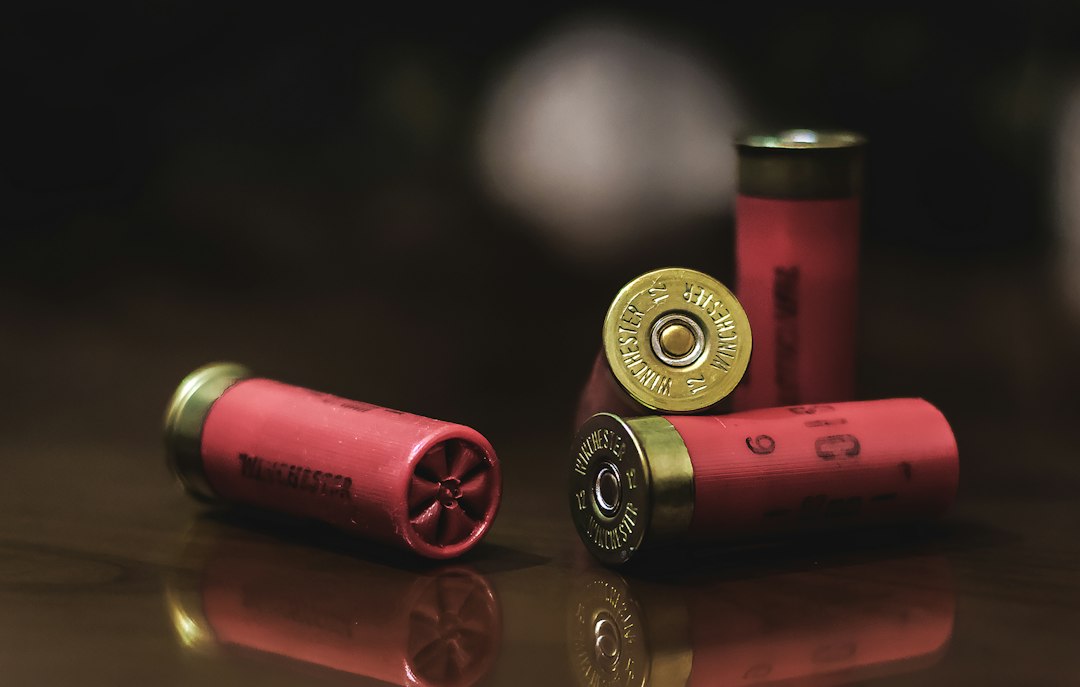
Guided Grizzly Bear Hunts 2027: Outfitters, Hunt Options & Costs
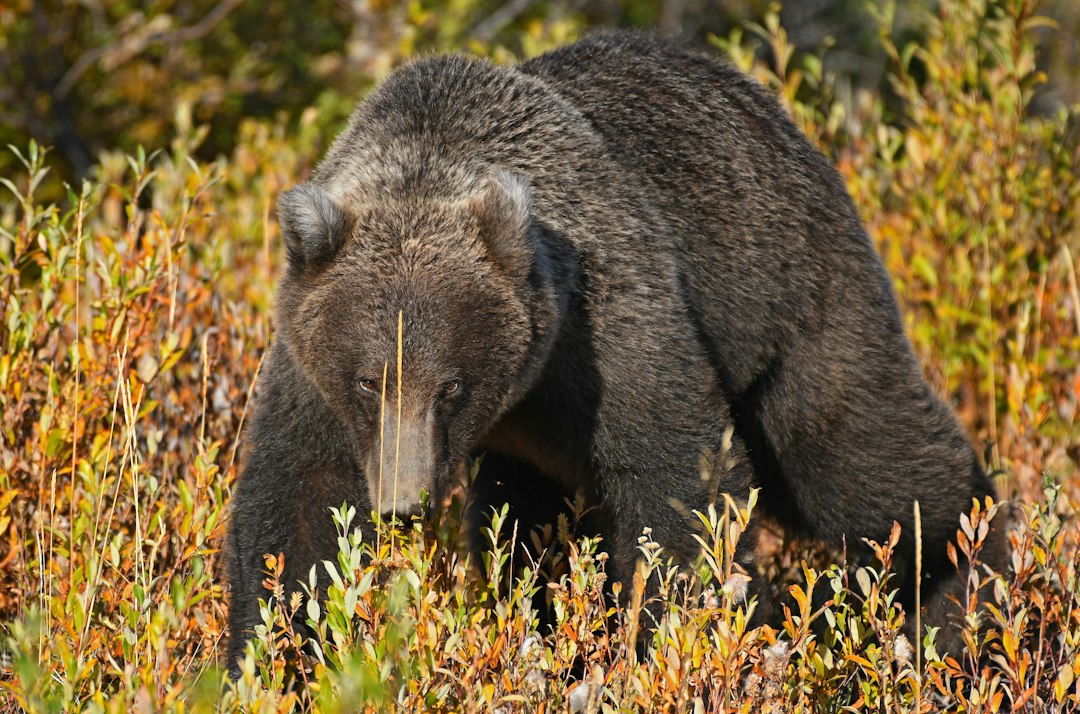
Grizzly bear hunting remains one of North America's most demanding and regulated pursuits. Alaska is currently the only state offering legal grizzly hunts, with opportunities ranging from spring hunts in the coastal mountains to fall expeditions in the interior. Most nonresident hunters pursue grizzlies as part of guided combination hunts targeting moose or caribou, while dedicated grizzly-only hunts command premium pricing and require careful planning. Understanding Alaska's regulatory framework, outfitter options, and cost structures is essential before committing to a 2027 grizzly hunt.
Alaska Grizzly Hunt Framework
Alaska requires nonresident hunters to hire a registered guide or hunt with a resident family member (second-degree of kindred or closer) for brown and grizzly bears. This regulation applies statewide and has been in place for decades to ensure ethical hunting practices and local economic benefit. Resident hunters may hunt grizzlies unguided, but nonresidents have no legal path to a do-it-yourself grizzly hunt.
The state recognizes two subspecies classifications for regulatory purposes: brown bears (coastal populations) and grizzly bears (interior populations), though both are Ursus arctos. Coastal brown bears grow significantly larger due to salmon-rich diets, with mature boars exceeding 1,000 pounds. Interior grizzlies average 400 to 600 pounds. Tag allocation, season dates, and harvest reporting requirements vary by Game Management Unit (GMU).
Most units operate on a registration permit system where tags are available over the counter until the harvest quota is met. A limited number of units use drawing permit systems, particularly in high-demand areas near population centers or where bear populations require tighter management. Nonresidents should verify the permit type for their target unit well in advance, as some drawing hunts have March application deadlines for fall seasons.
Spring vs. Fall Hunt Timing
Spring grizzly seasons typically open in early to mid-April and run through late May or early June, depending on the unit. Bears emerge from dens hungry and actively forage on emerging vegetation, winter-killed ungulates, and newborn moose or caribou calves. Spring hunts offer excellent spot-and-stalk opportunities as bears move across open avalanche chutes and alpine basins with minimal cover. Snow patches aid in tracking, and hides are in prime condition before summer rubbing begins.
Fall seasons generally open in early September and extend through October, with some units allowing harvest into November. Fall grizzlies are fattened from a summer of salmon, berries, and ground squirrels, often reaching peak body mass. Hunters frequently encounter bears along salmon streams or berry patches, and combination hunts for moose or caribou create natural opportunities to glass for grizzlies while targeting other species. Hides are thick and prime as bears prepare for denning, though some late-season bears show early rubbing from den preparation.
Weather and access conditions differ dramatically between seasons. Spring hunts face unpredictable snow conditions, limited aircraft access to certain areas, and shorter daylight windows in northern units. Fall hunts contend with heavy rain in coastal zones, early snowstorms in the interior, and increased competition from other hunting seasons. Outfitters often recommend fall hunts for first-time Alaska hunters due to more stable weather patterns and the ability to combine species.
Coastal Brown Bear Hunts
Coastal brown bear hunts target Alaska Peninsula, Kodiak Island, and Southeast Alaska populations. These hunts emphasize glassing from boats or skiffs, beach walking, and short spot-and-stalk approaches in alder thickets and salmon streams. Bears are abundant but vegetation is dense, creating close-range encounters that demand composure and accurate shooting. Coastal weather is notoriously harsh, with rain, fog, and wind limiting flying and hunting days.
Outfitters charge $14,000 to $25,000 for 10-day coastal brown bear hunts, with Kodiak Island and Alaska Peninsula hunts at the upper end due to logistics and trophy quality. Success rates range from 60% to 85% depending on season, weather, and unit. Spring hunts focus on beach fringe and avalanche chutes, while fall hunts concentrate on salmon streams where multiple bears may be visible simultaneously. Trophy quality is exceptional, with coastal boars regularly exceeding 9 feet squared and occasionally pushing 10 feet.
Access is almost exclusively by floatplane to remote bays or tent camps, with hunters sleeping in wall tents or occasionally on boats. Physical demands are moderate compared to interior hunts, but wet conditions and alder hiking require good rain gear and mental toughness. Hunters should expect to spend days weathered in, making a 10-day hunt common even though active hunting may total only 6 or 7 days.
Interior Grizzly Hunts
Interior grizzly hunts span the Alaska Range, Brooks Range, and Interior units. These hunts emphasize long-distance glassing, backpack spike camps, and high-country spot-and-stalk tactics. Bears are less concentrated than coastal populations, requiring more miles covered and broader territory scouted. Terrain is alpine and open, allowing glassing from ridge systems but demanding physical fitness for elevation gain and multi-mile stalks.
Pricing for interior grizzly hunts ranges from $12,000 to $18,000 for 10-day hunts, typically lower than coastal hunts due to smaller average bear size and logistics. Success rates are comparable when hunting dedicated grizzly-only trips, but many interior hunts are structured as combination hunts where grizzly is an add-on to moose or caribou. This structure reduces per-species cost but may limit time dedicated solely to bear hunting.
Interior hunts often use spike camps accessed by Super Cub or Beaver, with hunters backpacking from base camp into alpine basins. Expect 5 to 8 miles of daily hiking at elevations from 2,000 to 5,000 feet. Fall hunts coincide with berry season, and bears frequent blueberry and crowberry patches on south-facing slopes. Spring hunts target avalanche chutes and river bottoms where bears dig roots and feed on winter-killed moose. Trophy quality is smaller than coastal bears, with mature interior boars squaring 7 to 8 feet and exceptional animals reaching 8.5 feet.


Free to join
Download mobile app
- Detailed draw odds
- Point tracking
- Deadline reminders
- 19 states covered





Free to join
Download mobile app
- Detailed draw odds
- Point tracking
- Deadline reminders
- 19 states covered






Free to join
Download mobile app
- Detailed draw odds
- Point tracking
- Deadline reminders
- 19 states covered

Combination Hunt Strategies
Many hunters pursue grizzlies as part of combination hunts targeting moose, caribou, or Dall sheep. This approach spreads cost across multiple species and maximizes time in the field. A typical combination hunt might be priced at $16,000 for moose and grizzly or $18,000 for caribou, moose, and grizzly, compared to $12,000 for a grizzly-only hunt. The marginal cost per additional species decreases significantly.
Combination hunts require prioritizing species based on season timing and unit. Early September hunts focus on velvet caribou or rutting moose, with grizzly opportunities arising organically while glassing for primary species. Hunters must clarify with outfitters whether the grizzly tag is included in the base price or requires an additional trophy fee, as pricing structures vary. Some outfitters charge a flat combination rate, while others use a base hunt fee plus per-species trophy fees.
The primary tradeoff is focus. A dedicated grizzly hunt allows maximum flexibility to pursue specific bears, wait out weather, and select for trophy quality. Combination hunts require balancing priorities, and hunters may face decisions about passing a good grizzly early to continue pursuing moose or taking an available bear and potentially reducing time for other species. Clear communication with your guide about priorities prevents misalignment in the field.
Selecting a Registered Guide and Outfitter
Alaska requires grizzly guides to hold a Registered Guide license issued by the state's Big Game Commercial Services Board. Verify your outfitter's guide number and confirm the license is active through the state licensing portal. Guides must carry liability insurance and operate under a legal business structure. Reputable outfitters provide references from recent clients, detailed contracts outlining included services, and transparent communication about success rates and hunt conditions.
Research outfitters through the Alaska Professional Hunters Association, online forums, and direct client references. Ask specific questions about average bear size harvested in recent seasons, percentage of clients seeing legal bears, typical weather challenges, and what happens if weather prevents flying or hunting. Request photos from the previous two seasons showing bears taken by clients, not just the outfitter's personal trophies or exceptional outliers.
Contract details should specify hunt length, included services (meals, lodging, in-field transportation, meat care, cape and skull preparation), trophy fees if applicable, and cancellation policies. Confirm whether the price includes assistance with shipping meat and trophies or if additional fees apply. Understand the refund or credit structure if weather prevents completing the hunt, as Alaska weather regularly disrupts flight schedules and hunting days. Standard contracts offer no refund for weather days but may provide credits toward future hunts.
Grizzly Hunt Costs and Budget Planning
Total grizzly hunt costs extend well beyond the outfitter's quoted hunt price. A $15,000 coastal brown bear hunt requires an additional $3,000 to $6,000 for flights, licenses, tags, taxidermy shipping, and tips. Breaking down the budget prevents surprises.
Anchorage to hunt area flights via bush plane range from $800 to $2,000 round trip depending on distance. Nonresident grizzly tags cost $1,000, and a nonresident hunting license costs $160. Bear tag fees include $25 for the locking tag. Meat processing and freezing for shipment runs $200 to $400 if you keep the meat. Taxidermy shipping for a full hide and skull costs $300 to $600 depending on airline and weight. Guide tips are customary at 10% of the hunt cost, or $1,500 for a $15,000 hunt.
Add another $1,000 to $2,000 for gear, including a quality rain system, insulated boots, optics, and a rifle suitable for 200 to 400-yard shots on large game. Hunters flying commercially to Anchorage should budget for potential hotel stays if weather delays bush flights, a common occurrence adding $150 to $300 per day. Comprehensive travel insurance covering hunt costs in case of medical evacuation or trip cancellation costs $300 to $600 and is strongly recommended given Alaska's remoteness and weather volatility.
Free to join
Download mobile app
- Detailed draw odds
- Point tracking
- Deadline reminders
- 19 states covered
Free to join
Download mobile app
- Detailed draw odds
- Point tracking
- Deadline reminders
- 19 states covered
Free to join
Download mobile app
- Detailed draw odds
- Point tracking
- Deadline reminders
- 19 states covered
Draw vs. Registration Permit Units
Most Alaska grizzly units operate on registration permits available from Alaska Department of Fish and Game (ADFG) offices or online until the unit quota is filled. Registration hunts are first-come, first-served, and nonresidents book with an outfitter who secures the permit on the hunter's behalf. High-demand units near Anchorage or Fairbanks may fill early, but remote units remain open throughout the season.
A small number of units use drawing permits to manage harvest pressure or address conservation concerns. Drawing hunts require submitting an application by the unit's deadline, typically in March or April for fall seasons. Drawings are random with no preference point system for bears. Success odds vary by unit but are generally favorable compared to Lower 48 draw hunts, with some units showing 50% to 80% draw odds for nonresidents.
Outfitters can advise on unit selection and whether a drawing or registration unit better fits your goals. Drawing units often provide less crowded conditions and higher-quality hunting experiences, but the uncertainty of drawing adds complexity to planning. Registration units offer guaranteed tags but may see more hunting pressure in accessible areas. Confirm with your outfitter which units they hold concessions for and whether they apply for drawing permits on your behalf or expect you to handle the application independently.
Weapon and Cartridge Considerations
Grizzly bears require cartridges capable of deep penetration and rapid energy transfer. Minimum recommended calibers start at .30-06 Springfield with 180-grain or heavier premium bullets, but most Alaska guides prefer magnum cartridges. The .300 Winchester Magnum, .338 Winchester Magnum, and .375 H&H Magnum are standard choices, balancing manageable recoil with terminal performance on 400 to 1,000-pound animals.
Shot distances vary by hunt style. Coastal brown bear hunts in alders may present shots inside 50 yards, while interior grizzly spot-and-stalk hunts average 150 to 300 yards. Rifle setup should emphasize reliability over lightness. Bring a durable scope with proven tracking and waterproof seals, mounted in solid rings and bases. Verify zero after flying, as rough handling during bush flights can shift impact.
Controlled-expansion bullets such as Barnes TSX, Swift A-Frame, Nosler Partition, or Hornady DGX are preferred over rapidly fragmenting designs. Shot placement is more critical than caliber. A well-placed shot from a .30-06 outperforms a poor shot from a .375. Practice shooting from field positions, including sitting and kneeling with a pack for rear support, as prone shots are rare in grizzly habitat. Most guides recommend a follow-up shot even on well-hit bears due to their tenacity and the consequences of a wounded bear in thick cover.
Free to join
Download mobile app
- Detailed draw odds
- Point tracking
- Deadline reminders
- 19 states covered
Free to join
Download mobile app
- Detailed draw odds
- Point tracking
- Deadline reminders
- 19 states covered
Free to join
Download mobile app
- Detailed draw odds
- Point tracking
- Deadline reminders
- 19 states covered
Physical and Mental Preparation
Grizzly hunts demand moderate to high physical fitness depending on hunt style. Coastal hunts involve beach walking, alder bushwhacking, and short steep climbs but rarely exceed 5 miles daily. Interior hunts require backpacking capability, comfort hiking 5 to 8 miles per day with a 40-pound pack, and ability to navigate steep alpine terrain at elevation. Hunters should train with weighted pack hikes starting 12 weeks before the hunt, building to multi-hour sessions on uneven terrain.
Mental preparation is equally important. Weather delays, close encounters in thick cover, and the decision to shoot or pass a bear under pressure test composure. Grizzly hunting involves long periods of glassing, sudden close-range encounters, and occasional need to make a quick decision on a mature bear at last light. Realistic expectations about weather and success rates prevent frustration when conditions deteriorate or bears prove elusive.
Discuss with your guide the protocol for encountering bears at close range in thick cover, the decision framework for evaluating trophy quality quickly, and what happens if you wound a bear. Understanding these scenarios before the hunt prevents hesitation or panic in the moment. Many outfitters provide pre-hunt calls or emails outlining scenarios and expectations, and hunters should take full advantage of these briefings.
2027 Booking Timeline and Availability
Top-tier Alaska grizzly outfitters book 12 to 24 months in advance, with prime spring and fall dates filling first. Hunters targeting a 2027 spring hunt should begin outfitter research and booking in early 2025 or late 2024 to secure preferred dates. Fall 2027 hunts still have availability as of late 2024, particularly for combination hunts or flexible date ranges, but premium September dates are limited.
Outfitters require deposits ranging from $2,000 to $5,000 to hold a date, with the balance due 60 to 90 days before the hunt. Cancellation policies vary, but most outfitters retain deposits unless the cancellation occurs more than 12 months before the hunt or the spot can be filled from a waiting list. Travel insurance is critical to protect the deposit and hunt cost in case of injury, family emergency, or other unforeseen circumstances.
Confirm with your outfitter whether they provide assistance obtaining permits and tags or whether you are responsible for purchasing them independently. Nonresident grizzly tags go on sale December 1 for the following calendar year, so 2027 tags are available starting December 1, 2026. Registration permits are typically obtained closer to the hunt once the outfitter confirms logistics and unit selection. Drawing permits require earlier action, with applications due in March or April depending on the unit.
Trophy Care and Taxidermy Planning
Grizzly hides and skulls are large, heavy, and require immediate proper care to prevent spoilage. Guides handle initial skinning and salting, but hunters should understand the process and verify their outfitter's meat and trophy care protocols. Hides are fleshed, salted heavily, and rolled for transport to a tannery or taxidermist. Skulls are cleaned of meat and brains, often boiled in the field, and sealed in a bag for transport.
Decide before the hunt whether you want a full mount, half mount, or shoulder mount, as this affects how the hide is caped. Full mounts require the entire hide and careful paw and nose preservation. Rugs require less precise caping but still need the full hide without cuts. Communicate your preference clearly to your guide during the kill-site preparation. Mistakes at this stage cannot be corrected later.
Shipping trophies from Alaska to the Lower 48 involves either checking them as extra baggage on commercial flights or using freight services. Alaska Airlines allows properly packaged trophies as checked baggage for excess baggage fees, typically $150 to $300 depending on weight and dimensions. Freight shipping through Delta Cargo or other services costs more but reduces handling risk. Outfitters typically store salted hides and skulls for several days to weeks, allowing hunters to arrange shipping without rushing immediately after the kill. Budget $400 to $600 for taxidermy shipping and expect 12 to 24 months for completion, as quality taxidermists specializing in bears have long wait times.
FAQ — Guided Grizzly Bear Hunts
Can nonresidents hunt grizzly bears in Alaska without a guide?
No. Alaska law requires all nonresident hunters to use a registered guide or hunt with a resident family member (within the second degree of kindred) for brown and grizzly bears. There is no exception for experienced hunters or alternative licensing paths.
What is the cost difference between spring and fall grizzly hunts?
Pricing is generally similar for spring and fall hunts with the same outfitter, ranging from $12,000 to $25,000 depending on location and hunt style. Fall combination hunts targeting multiple species may offer better per-species value but require balancing priorities between grizzly and other game.
Are grizzly bear tags available over the counter in Alaska?
Most units use registration permits available over the counter until the quota fills, but a limited number of high-demand units require drawing permits with spring application deadlines. Nonresident hunters work with their outfitter to determine the permit type and application process for their target unit.
How physically demanding are grizzly hunts compared to other Alaska species?
Coastal brown bear hunts are moderately physical, involving beach walking and short climbs but rarely exceeding 5 miles daily. Interior grizzly hunts are more demanding, requiring backpacking capability and 5 to 8 miles of daily hiking in alpine terrain. Physical demands are generally less than Dall sheep hunts but more than coastal moose hunts.
What is the average success rate on guided Alaska grizzly hunts?
Success rates range from 60% to 85% on dedicated grizzly hunts, with variation driven by weather, season, and unit quality. Combination hunts where grizzly is secondary to moose or caribou may see lower grizzly success rates, particularly if hunters prioritize filling other tags early in the trip.
When should I book a 2027 grizzly hunt to secure preferred dates?
Top outfitters book 12 to 24 months in advance. Hunters targeting spring 2027 should begin booking in early 2025 or late 2024. Fall 2027 hunts still have availability in late 2024 but prime September dates fill quickly, particularly for popular combination hunt packages.
Was this article helpful?
Previous
Kentucky Nonresident Elk Draw Odds 2027: Application Strategy and Success Rates
Kentucky's nonresident elk draw is one of the most accessible limited-entry elk hunts in the eastern U.S., with nonresident odds ranging from 1% to 4% depending on hunt type and weapon choice.
Related
Montana Bonus Points Explained: How They Work for 2027 Draws
Montana uses bonus points for permit draws only — not for the general license lottery. Here's how to earn them, when they help, and where they don't matter.
Next
Nebraska Guided Whitetail Hunts 2027: Tags & Outfitters
Nebraska offers excellent guided whitetail opportunities with straightforward over-the-counter tags and quality outfitters across river-bottom and agricultural country. Here's how to secure your 2027 tag and choose the right guide service.