Best Elk Units You Can Draw With 0–3 Points (2026 Strategy Guide)
Introduction
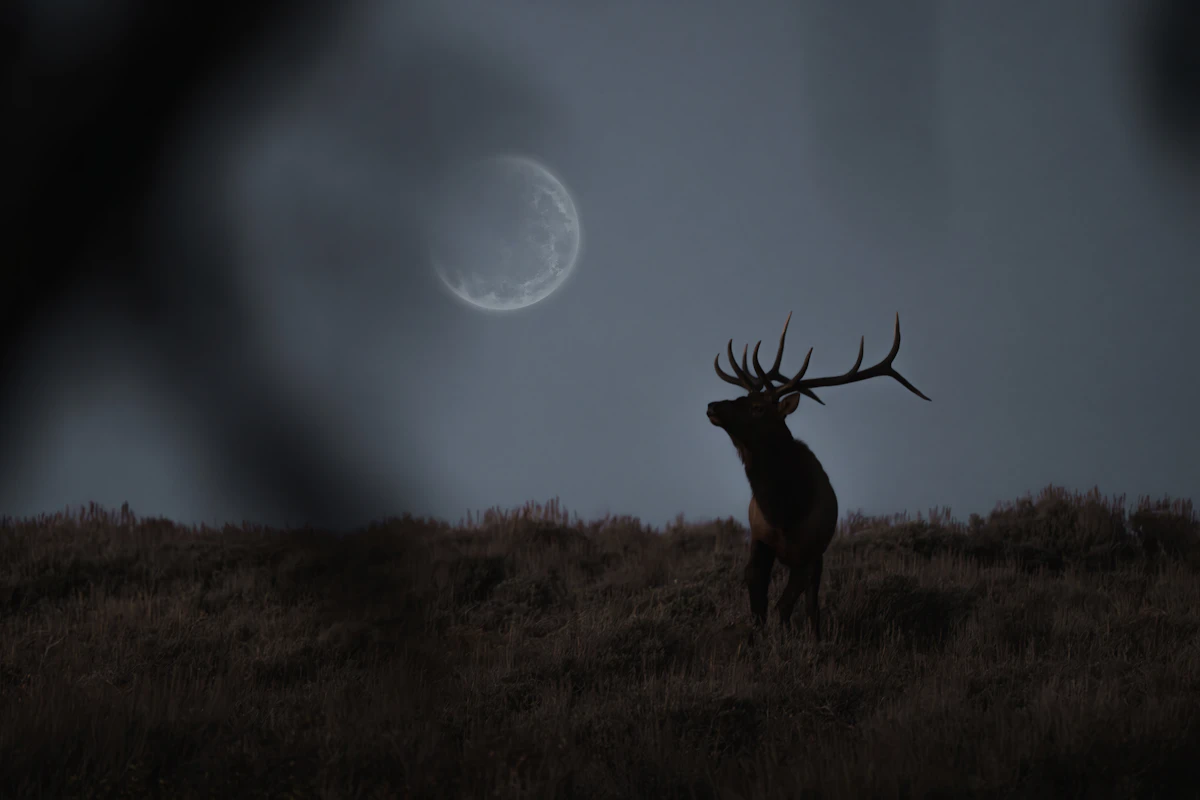
Most hunters think you need a pile of points to have a good elk hunt out West. That idea keeps a lot of people sitting on the sidelines, waiting years for a tag they may never draw. The truth is, the 0–3 point range is where most hunters live—and if you play it right, it’s enough to get into solid elk country consistently. You might not be chasing 400-inch bulls, but you’ll be hunting real elk, on public land, with a legitimate chance to fill a tag.
The Reality of Low-Point Hunting
Hunting with zero to three points isn’t a disadvantage—it’s just a different lane. Instead of focusing on trophy units everyone talks about, you’re targeting opportunity. That means units with manageable pressure, healthy elk numbers, and realistic draw odds. In a lot of cases, these hunts are actually better experiences than overcrowded over-the-counter units because you’re dealing with fewer hunters and more predictable elk behavior.
Where to Focus in 2026
Colorado still stands out as one of the best states for low-point elk hunting. Second and third rifle seasons in mid-tier units can often be drawn with minimal points, and they offer a strong balance of opportunity and access. Wyoming is another solid option, especially if you’re building toward a general tag. Even with one or two points, you can get into good country with plenty of public land and a real chance at elk.
Idaho is a different approach since there’s no point system, but that can actually work in your favor. If you’re prepared and act early when tags go on sale, you can secure a hunt without playing the long game. Montana also deserves attention, especially with combination tags that open up a huge amount of ground. It’s not always easy hunting, but there’s opportunity if you’re willing to put in the effort.
What Makes a Good 0–3 Point Unit
A good unit in this range isn’t about headlines or record-book bulls. It’s about finding that middle ground where elk numbers are solid, access is reasonable, and pressure hasn’t completely taken over. You want a place where you can learn, adapt, and actually get into elk—not just hike through empty country or compete with crowds at every trailhead.
The Biggest Mistake Hunters Make
The fastest way to waste your points is by applying for units everyone else is chasing. Those “famous” units look great on paper, but they come with high demand and growing point requirements. A lot of hunters get stuck applying for the same tag year after year, watching point creep push it further out of reach. Meanwhile, there are plenty of overlooked units that could get you hunting right now.
Building a Smarter Strategy
The hunters who stay consistent aren’t guessing—they’re building a system. That means looking at multiple states, understanding where your points actually give you an edge, and being willing to adjust each year. Instead of putting everything into one application, you spread your chances out and keep yourself in the field more often. Over time, that experience adds up and makes you a better hunter.
Where TAGZ Fits In
This is where things start to click for most guys. Figuring out where to apply across multiple states, with limited points, can get overwhelming fast. TAGZ helps break that down by showing what you can realistically draw and where your odds are strongest. It takes the guesswork out of the process and helps you build a plan instead of just hoping something hits.
Final Thoughts
You don’t need a decade of points to hunt elk out West. If anything, waiting too long can hold you back. The 0–3 point range gives you a real opportunity to get in the game, learn faster, and hunt more often. The key is staying realistic, avoiding the hype, and making decisions that actually line up with your situation. Do that, and you’ll spend less time applying and more time hunting.
Was this article helpful?
Previous
Best States for First-Time Western Hunts: Stop Waiting and Just Go
The best beginner states are the ones you can draw quickly. Focus on opportunity, not hype, and build experience by getting into the field early.
Next
New Mexico Big Game Draw — How It Works (Resident vs Non-Resident) 2026
New Mexico uses a random draw with no points. Residents have the best odds, while non-residents compete in smaller pools, with improved chances if applying with an outfitter.