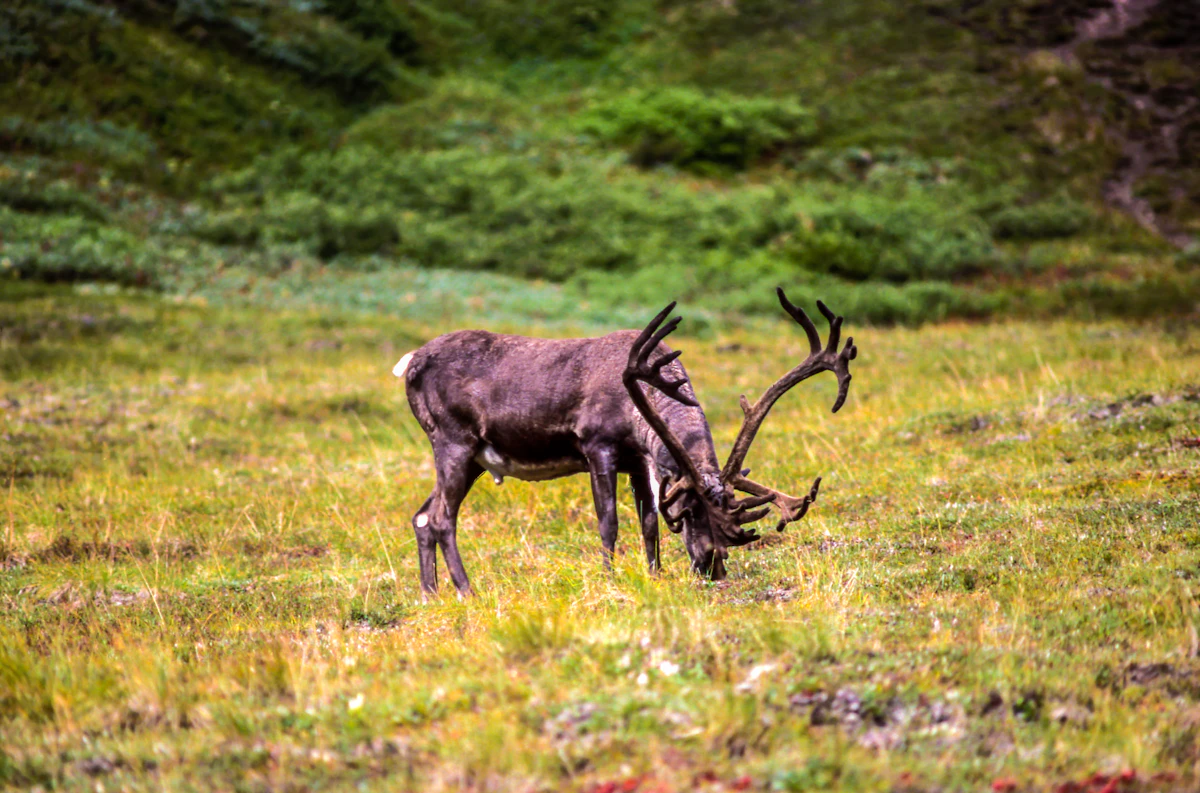
DIY vs. Guided Caribou Hunting 2027: Costs, Pros & Cons

16 min read·Oct 7, 2026·Jim
DIY vs. Guided Caribou Hunting 2027: Costs, Pros & Cons

DIY vs. Guided Caribou Hunting: How to Choose the Right Hunt in 2027


DIY vs. Guided Caribou Hunting: How to Choose Your Hunt

Alaska caribou hunting represents one of North America's most recognizable wilderness hunting experiences.

Wide-open tundra, remote mountain valleys, migrating herds, and vast landscapes make Alaska a destination for hunters seeking an adventure far from heavily developed hunting areas.

But planning a caribou hunt involves more than selecting a hunting unit.

One of the first decisions is whether to hunt independently or hire a professional outfitter.

For some hunters, the appeal of Alaska lies in doing everything themselves.

For others, working with an experienced guide makes a remote hunting experience more manageable.

Both approaches can be rewarding.

The right choice depends on your experience, available time, budget, and expectations.

Quick Answer: Is DIY or Guided Caribou Hunting Better?

DIY caribou hunting is generally better for experienced hunters who want independence, can manage wilderness logistics, and are comfortable accepting the risks and uncertainty of remote hunting.

Guided caribou hunting is generally better for hunters who want professional assistance with scouting, transportation, camp logistics, and meat recovery.

A drop-camp hunt can provide an alternative for hunters who want to hunt independently but need transportation and camp support.

Neither option guarantees a successful harvest.

1. DIY vs. Guided Caribou Hunting: Quick Comparison

CategoryDIY Caribou HuntGuided Caribou HuntTypical costLowerHigherIndependenceHighMore structuredScoutingHunter responsibilityGuide assistanceTransportationHunter arrangesOften coordinatedCamp setupHunter responsibilityOften providedMeat recoveryHunter responsibilityOften assistedLocal knowledgeRequires researchGuide experiencePhysical demandsOften substantialStill substantialHunting decisionsHunter-directedShared with guideSuccess guaranteeNoneNoneBest suited forExperienced, self-reliant huntersHunters wanting professional support

A guided hunt does not eliminate the physical demands of Alaska caribou hunting.

Likewise, a DIY hunt does not automatically mean lower harvest success.

2. What Is a DIY Caribou Hunt?

A DIY, or do-it-yourself, caribou hunt is an unguided hunting trip where the hunter manages the planning and execution.

This may include:

  • Researching hunting areas

  • Obtaining licenses and permits

  • Arranging transportation

  • Selecting campsites

  • Navigating the hunting area

  • Locating caribou

  • Recovering harvested animals

  • Transporting meat

  • Managing emergency communications

DIY hunting offers substantial independence.

Hunters determine their schedule, scouting strategy, and daily hunting decisions.

However, the responsibility for planning and safety also falls on the hunting party.

What Makes DIY Caribou Hunting Appealing?

Many hunters choose DIY hunts because they value the experience of navigating unfamiliar country and finding animals independently.

Others prefer DIY because it can reduce the cost of hiring a professional guide.

For experienced backcountry hunters, planning and executing the hunt can be as rewarding as the harvest itself.


Draw odds
Alaska moose draw odds by unit, colored by draw, OTC, or no data
AdultNonresident

Alaska · Moose

Draw, OTC, and no-data units across the whole state.

Adult, Nonresident, Moose, no additional filters. Every unit is colored by its best matching draw odds; if nothing draws, it shows OTC; if neither, no data.

  • Alaska mixes draw and OTC moose hunts within the same region.
  • Green units are worth an application; purple units are OTC.
  • Filters stay applied when a unit is opened for hunt detail.
Draw odds
California mule deer draw odds ranked by unit in a list
AdultNonresident

California · Mule deer

Nonresident odds ranked unit by unit.

Adult, Nonresident, Mule deer, no weapon or season chip, so every matching hunt in a zone is combined into one badge and sorted by best projected odds.

  • D6 leads the list; a range like 8%–14% means more than one hunt code exists in that zone.
  • The list and the map read the same filtered hunt set.
  • 46 units are shown for this species and state alone.

Free to join

Download mobile app

  • Detailed draw odds
  • Point tracking
  • Deadline reminders
  • 18 states covered
Download on the App StoreGet it on Google Play
Unit detail
Wyoming elk unit detail, hunts tab, showing hunt windows on a timeline

Wyoming · Elk, Unit 3

Every hunt window inside one unit, laid out on a timeline.

Unit 3 has two hunt codes for elk. Each one shows its weapon, animal type, and season as a bar on a shared Aug–Jan timeline, plus a day-by-day moon phase strip.

  • Archery, then a long Any Legal Weapon window, then a late season — three opportunities in one unit.
  • The 100% badge at top means no real draw competition for the selected filters right now.
  • Weather & conditions expands below the hunt list without leaving the unit.
Terrain data
Colorado pronghorn unit detail, terrain tab, showing unit outline and key metrics

Colorado · Pronghorn, Unit 3

Unit boundaries and a complexity score at a glance.

The Terrain tab draws the unit outline against its neighbors and scores it for complexity, then breaks out area, public land, access, topography, forest, and water.

  • 849 sq mi, 55% public land, and flat topography make this a fairly approachable unit.
  • Each metric carries a short rating word — Vast, Some, Fair, Flat, Sparse, Moderate — with a tooltip.
  • The outline map shows adjacent units 2, 4, 13, and 301 for context.
State profiles
State Profiles screen listing states with wildlife agency and public land percentage

State Profiles

Each state's wildlife agency and public land share, at a glance.

State Profiles lists every covered state as a photo card naming its wildlife agency and, where available, its public land percentage.

  • Public land percentage shows right in the list, before opening the state.
  • Each card names the exact agency the regulations come from.
  • States without a public land figure yet, like Alabama here, are still listed.
Points wallet
Points Wallet screen with Colorado expanded, showing a point stepper per species

Points Wallet · Colorado

Every state and species point balance in one wallet.

Points Wallet lists each state with a species count; expanding a state, like Colorado here, shows a stepper for every species so a balance can be entered or adjusted directly.

  • Colorado alone tracks points across 10 species independently.
  • Species with no points, like Pronghorn here, still show a zero to stay visible.
  • Desert Bighorn Sheep is flagged as a random draw with no points system.

Free to join

Download mobile app

  • Detailed draw odds
  • Point tracking
  • Deadline reminders
  • 18 states covered
Download on the App StoreGet it on Google Play
Draw odds
Montana white-tailed deer draw odds filtered to any legal weapon, either sex, regular season
AdultNonresidentAny Legal WeaponEitherRegular

Montana · White-tailed deer

Nearly the whole state is OTC for this filter combination.

Adult, Nonresident, White-tailed deer, filtered to Any Legal Weapon, Either, Regular. Under this combination almost every unit turns purple — over the counter.

  • Switching weapon, sex, or season changes the picture completely.
  • Purple means the tag can be bought directly, no draw.
  • This is the tag-and-go read of Montana whitetail, not the point-based one.
Terrain data
New Mexico mule deer unit 5A terrain tab with boundary description and land cover breakdown

New Mexico · Mule deer, Unit 5A

A written boundary description, not just a shape.

Unit 5A's terrain tab opens with a plain-language paragraph about surrounding land, access towns, and ownership mix, then a land cover breakdown by percentage.

  • 72% open plains and 25% forested plains describe the terrain at a glance.
  • The boundary text calls out the exact reservation and forest lines that define the unit.
  • Access & pressure continues below the fold with mileage detail.
Draw odds
New Mexico mule deer draw odds by unit
AdultNonresident

New Mexico · Mule deer

Mule deer draw odds for every unit in the state.

Adult, Nonresident, Mule deer, all weapons and seasons. Each unit is colored by the same odds calculation used in the dashboard.

  • Green and tan together separate units worth applying to from units that are not.
  • Numbered units follow New Mexico's own game management unit boundaries.
  • Opening a unit shows the exact hunt behind the color.
Favorites
Favorite Units screen grouped by state and species

Favorite Units

Starred units from any state, grouped by species.

Favorite Units collects every starred unit across states and species into one list, grouped by state and species pair, so a saved unit is one tap away.

  • Arizona mule deer and Colorado pronghorn favorites sit side by side here.
  • Each row opens straight into that unit's detail view.
  • Unstarring from this screen removes it from the group instantly.
Deadlines
Deadline Reminders screen listing application and purchase deadlines by date

Deadline Reminders

Every application and purchase deadline, sorted by date.

Deadline Reminders filters by state and sorts by date, showing the deadline type, a countdown, and the state and species it applies to, with a link out to the source.

  • Countdown badges shift as a deadline gets close — "in 5 days" here, for example.
  • Application opens and closes are tracked as separate reminder types.
  • Each card links out to confirm the rule at the source.
Interactive map
Arizona elk unit boundaries overlaid on an interactive street map

Arizona · Elk

Unit boundaries laid directly over a real map.

This view overlays Arizona elk unit boundaries and labels on top of a street map, with a search bar pinned to state and species and a layer toggle in the corner.

  • Real towns like Prescott and Sedona sit inside their unit boundaries for context.
  • A location button and layer switch float over the map, clear of the unit labels.
  • A Filter button at the bottom opens the same filters used elsewhere in the app.

Free to join

Download mobile app

  • Detailed draw odds
  • Point tracking
  • Deadline reminders
  • 18 states covered
Download on the App StoreGet it on Google Play
Insights
Insights screen with a featured article and a latest articles list

Insights

Hunting articles, built into the app itself.

Insights opens to a featured article with a hero image, then a Latest list of recent posts, each with a thumbnail, read time, and publish date.

  • The featured slot rotates to the newest deep-dive article.
  • Read time and publish date show on every card, not just the featured one.
  • This mirrors the blog content already published on the marketing site.
Download on the App StoreGet it on Google Play

3. What Is a Guided Caribou Hunt?

A guided caribou hunt involves hiring a professional hunting guide or outfitter to provide hunting services.

The exact services depend on the outfitter and package.

They may include:

  • Pre-hunt planning

  • Transportation coordination

  • Established camps

  • Meals

  • Scouting

  • Daily hunting guidance

  • Field care

  • Meat recovery

  • Trophy preparation

Some guided hunts operate from remote tent camps.

Others use established lodges or more developed accommodations.

Does a Guided Hunt Guarantee Caribou?

No.

Caribou movements can change because of weather, habitat conditions, migration patterns, and hunting pressure.

An experienced guide may improve preparation and help hunters adapt, but cannot guarantee that animals will be present or that a legal harvest will occur.

4. What Is a Drop-Camp Caribou Hunt?

A drop-camp hunt is a popular middle-ground option.

Hunters typically arrange transportation into a remote hunting area, often by aircraft, and hunt independently.

Some operators provide camp equipment or other logistical services.

What Does a Drop-Camp Package Include?

Depending on the operator, services may include:

  • Transportation to a designated location

  • Return transportation

  • Tents

  • Camp equipment

  • Basic logistical support

  • Meat transportation arrangements

Other packages provide transportation only.

Hunters must confirm exactly what is included.

Is a Drop-Camp Hunt Considered Guided?

Not necessarily.

Providing transportation or equipment does not automatically make an operator a hunting guide.

The legal distinction depends on the services provided and applicable Alaska regulations.

Who Should Consider a Drop Camp?

Drop camps may suit hunters who have wilderness experience but do not have the resources or local transportation contacts needed to reach remote caribou country independently.

5. How Much Does DIY Caribou Hunting Cost?

DIY caribou hunting expenses vary widely depending on the location, transportation, group size, and equipment requirements.

The following are illustrative planning ranges, not verified 2027 outfitter quotes.

ExpenseIllustrative BudgetNonresident license and caribou tag$800–$1,000+Flights to Alaska$500–$1,500+Remote transportation$1,500–$5,000+Camping and supplies$300–$1,500+Food and miscellaneous expenses$200–$600+Meat transportation and processing$300–$1,500+Illustrative total$3,600–$11,100+

Actual costs can fall outside these ranges.

Hunters who already own suitable equipment may spend less on gear.

Remote transportation can become significantly more expensive depending on aircraft requirements and location.

What Is the Biggest DIY Expense?

For many hunters, transportation into and out of remote hunting country is one of the largest expenses.

Aircraft transportation may require separate arrangements for hunters, equipment, and harvested meat.

6. How Much Does a Guided Caribou Hunt Cost?

Fully guided Alaska caribou hunts generally cost substantially more than DIY trips.

For preliminary budgeting, hunters may encounter packages costing approximately $8,000–$18,000 or more per hunter, depending on location, accommodations, duration, transportation, and services.

This is a broad planning estimate, not a verified 2027 price survey.

What Is Usually Included?

Depending on the outfitter:

  • Professional guiding

  • Camp accommodations

  • Meals

  • Scouting assistance

  • Transportation coordination

  • Meat recovery support

What Might Not Be Included?

Additional expenses may include:

  • Alaska hunting license

  • Caribou locking tag

  • Commercial airfare

  • Charter flights

  • Hotels

  • Gratuities

  • Meat processing

  • Meat shipping

  • Taxidermy

Always request a written breakdown of included and excluded costs.

7. DIY vs. Guided Caribou Hunting: Total Cost Comparison

Hunting OptionIllustrative Total BudgetDIY road-access hunt$2,500–$6,000+DIY fly-in hunt$4,000–$10,000+Drop-camp hunt$5,000–$12,000+Fully guided hunt$8,000–$18,000+

These are rough budgeting examples rather than current market quotations.

Actual expenses depend on travel origin, hunt location, equipment, transportation, and the services purchased.

A low-cost hunt is not necessarily the best value if it requires transportation or equipment that the hunter cannot safely provide.

8. Do Nonresidents Need a Guide for Alaska Caribou?

Alaska does not generally require nonresident hunters to hire a guide solely to hunt caribou.

This differs from certain other Alaska big-game species.

However, individual drawing hunts can have guide-specific restrictions.

For example, historical Unit 20A drawing opportunities have included separate categories for guided and unguided nonresidents.

Can You Hunt Alaska Caribou Completely Unguided?

Yes, where the regulations allow.

Hunters must still comply with all licensing, permit, tag, and access requirements.

Can an Outfitter Improve Drawing Odds?

Not automatically.

Certain hunts have separate guided and unguided drawing categories.

Hunters should compare historical applications and permit quotas for the exact hunt code.

9. DIY vs. Guided Caribou Hunting Success Rates

One common question is whether guided hunters have better harvest success than DIY hunters.

There is no reliable universal percentage that applies to every Alaska caribou hunt.

Success depends on:

  • Herd distribution

  • Season timing

  • Access

  • Weather

  • Hunting pressure

  • Hunter experience

  • Physical fitness

  • Scouting

  • Equipment

  • Time available

Can Guides Improve Hunting Opportunities?

An experienced guide may help hunters identify productive areas, adapt to changing conditions, and navigate unfamiliar terrain.

However, a guide cannot control migration or guarantee the presence of caribou.

Can DIY Hunters Be Successful?

Absolutely.

Experienced hunters who research their hunting area, understand caribou behavior, and prepare for remote conditions can have successful DIY hunts.

Draw odds
Alaska moose draw odds by unit, colored by draw, OTC, or no data
AdultNonresident

Alaska · Moose

Draw, OTC, and no-data units across the whole state.

Adult, Nonresident, Moose, no additional filters. Every unit is colored by its best matching draw odds; if nothing draws, it shows OTC; if neither, no data.

  • Alaska mixes draw and OTC moose hunts within the same region.
  • Green units are worth an application; purple units are OTC.
  • Filters stay applied when a unit is opened for hunt detail.
Draw odds
California mule deer draw odds ranked by unit in a list
AdultNonresident

California · Mule deer

Nonresident odds ranked unit by unit.

Adult, Nonresident, Mule deer, no weapon or season chip, so every matching hunt in a zone is combined into one badge and sorted by best projected odds.

  • D6 leads the list; a range like 8%–14% means more than one hunt code exists in that zone.
  • The list and the map read the same filtered hunt set.
  • 46 units are shown for this species and state alone.

Free to join

Download mobile app

  • Detailed draw odds
  • Point tracking
  • Deadline reminders
  • 18 states covered
Download on the App StoreGet it on Google Play
Unit detail
Wyoming elk unit detail, hunts tab, showing hunt windows on a timeline

Wyoming · Elk, Unit 3

Every hunt window inside one unit, laid out on a timeline.

Unit 3 has two hunt codes for elk. Each one shows its weapon, animal type, and season as a bar on a shared Aug–Jan timeline, plus a day-by-day moon phase strip.

  • Archery, then a long Any Legal Weapon window, then a late season — three opportunities in one unit.
  • The 100% badge at top means no real draw competition for the selected filters right now.
  • Weather & conditions expands below the hunt list without leaving the unit.
Terrain data
Colorado pronghorn unit detail, terrain tab, showing unit outline and key metrics

Colorado · Pronghorn, Unit 3

Unit boundaries and a complexity score at a glance.

The Terrain tab draws the unit outline against its neighbors and scores it for complexity, then breaks out area, public land, access, topography, forest, and water.

  • 849 sq mi, 55% public land, and flat topography make this a fairly approachable unit.
  • Each metric carries a short rating word — Vast, Some, Fair, Flat, Sparse, Moderate — with a tooltip.
  • The outline map shows adjacent units 2, 4, 13, and 301 for context.
State profiles
State Profiles screen listing states with wildlife agency and public land percentage

State Profiles

Each state's wildlife agency and public land share, at a glance.

State Profiles lists every covered state as a photo card naming its wildlife agency and, where available, its public land percentage.

  • Public land percentage shows right in the list, before opening the state.
  • Each card names the exact agency the regulations come from.
  • States without a public land figure yet, like Alabama here, are still listed.
Points wallet
Points Wallet screen with Colorado expanded, showing a point stepper per species

Points Wallet · Colorado

Every state and species point balance in one wallet.

Points Wallet lists each state with a species count; expanding a state, like Colorado here, shows a stepper for every species so a balance can be entered or adjusted directly.

  • Colorado alone tracks points across 10 species independently.
  • Species with no points, like Pronghorn here, still show a zero to stay visible.
  • Desert Bighorn Sheep is flagged as a random draw with no points system.

Free to join

Download mobile app

  • Detailed draw odds
  • Point tracking
  • Deadline reminders
  • 18 states covered
Download on the App StoreGet it on Google Play
Draw odds
Montana white-tailed deer draw odds filtered to any legal weapon, either sex, regular season
AdultNonresidentAny Legal WeaponEitherRegular

Montana · White-tailed deer

Nearly the whole state is OTC for this filter combination.

Adult, Nonresident, White-tailed deer, filtered to Any Legal Weapon, Either, Regular. Under this combination almost every unit turns purple — over the counter.

  • Switching weapon, sex, or season changes the picture completely.
  • Purple means the tag can be bought directly, no draw.
  • This is the tag-and-go read of Montana whitetail, not the point-based one.
Terrain data
New Mexico mule deer unit 5A terrain tab with boundary description and land cover breakdown

New Mexico · Mule deer, Unit 5A

A written boundary description, not just a shape.

Unit 5A's terrain tab opens with a plain-language paragraph about surrounding land, access towns, and ownership mix, then a land cover breakdown by percentage.

  • 72% open plains and 25% forested plains describe the terrain at a glance.
  • The boundary text calls out the exact reservation and forest lines that define the unit.
  • Access & pressure continues below the fold with mileage detail.
Draw odds
New Mexico mule deer draw odds by unit
AdultNonresident

New Mexico · Mule deer

Mule deer draw odds for every unit in the state.

Adult, Nonresident, Mule deer, all weapons and seasons. Each unit is colored by the same odds calculation used in the dashboard.

  • Green and tan together separate units worth applying to from units that are not.
  • Numbered units follow New Mexico's own game management unit boundaries.
  • Opening a unit shows the exact hunt behind the color.
Favorites
Favorite Units screen grouped by state and species

Favorite Units

Starred units from any state, grouped by species.

Favorite Units collects every starred unit across states and species into one list, grouped by state and species pair, so a saved unit is one tap away.

  • Arizona mule deer and Colorado pronghorn favorites sit side by side here.
  • Each row opens straight into that unit's detail view.
  • Unstarring from this screen removes it from the group instantly.
Deadlines
Deadline Reminders screen listing application and purchase deadlines by date

Deadline Reminders

Every application and purchase deadline, sorted by date.

Deadline Reminders filters by state and sorts by date, showing the deadline type, a countdown, and the state and species it applies to, with a link out to the source.

  • Countdown badges shift as a deadline gets close — "in 5 days" here, for example.
  • Application opens and closes are tracked as separate reminder types.
  • Each card links out to confirm the rule at the source.
Interactive map
Arizona elk unit boundaries overlaid on an interactive street map

Arizona · Elk

Unit boundaries laid directly over a real map.

This view overlays Arizona elk unit boundaries and labels on top of a street map, with a search bar pinned to state and species and a layer toggle in the corner.

  • Real towns like Prescott and Sedona sit inside their unit boundaries for context.
  • A location button and layer switch float over the map, clear of the unit labels.
  • A Filter button at the bottom opens the same filters used elsewhere in the app.

Free to join

Download mobile app

  • Detailed draw odds
  • Point tracking
  • Deadline reminders
  • 18 states covered
Download on the App StoreGet it on Google Play
Insights
Insights screen with a featured article and a latest articles list

Insights

Hunting articles, built into the app itself.

Insights opens to a featured article with a hero image, then a Latest list of recent posts, each with a thumbnail, read time, and publish date.

  • The featured slot rotates to the newest deep-dive article.
  • Read time and publish date show on every card, not just the featured one.
  • This mirrors the blog content already published on the marketing site.
Download on the App StoreGet it on Google Play

10. Alaska Caribou Draw Odds: Guided vs. Unguided Hunts

Alaska uses a randomized drawing system for limited drawing permits.

The state does not use bonus or preference points.

Some hunts are available to both residents and nonresidents.

Others have specific residency or guide requirements.

Example: Unit 20A Caribou

Historical Alaska drawing supplements have identified:

DC826 — Unguided Nonresident Caribou

DC828 — Guided Nonresident Caribou

These hunts have separate eligibility requirements.

Which Has Better Draw Odds?

The answer depends on applicant demand.

A guided category may have fewer applicants, but that does not automatically mean better odds.

Compare:

  • Permit quota

  • Number of valid applications

  • Hunt restrictions

  • Historical drawing results

Can You Apply for Both?

Applicants must follow the current drawing supplement's eligibility and application restrictions.

Do not assume that every guided and unguided hunt combination is available to the same applicant.

11. Where Should You Hunt Caribou in Alaska?

Alaska contains several distinct caribou herds and hunting regions.

Popular areas of interest include:

  • Interior Alaska

  • Central Alaska Range

  • Northwestern Alaska

  • Kenai Peninsula

  • Alaska Peninsula

  • Northern Alaska

However, not every area is open to nonresidents.

What Makes a Good Caribou Hunting Area?

A good hunting area combines:

  • Legal hunting opportunity

  • Current herd presence

  • Practical access

  • Suitable terrain

  • Appropriate season dates

  • Manageable transportation

  • Realistic meat recovery

Should You Choose an Area Based on Historical Migration?

Historical migration information is useful but should not be treated as a guarantee.

Caribou movements can change considerably.

12. Why Caribou Migration Matters

Caribou often travel across large areas.

Their movements may be influenced by:

  • Seasonal habitat

  • Food availability

  • Weather

  • Snow conditions

  • Insects

  • Predation

  • Population changes

How Does Migration Affect DIY Hunters?

DIY hunters may have less flexibility to relocate after reaching a remote camp.

If caribou move away from the selected area, hunters may face limited alternatives.

How Does Migration Affect Guided Hunters?

Guides may have local knowledge and established scouting networks.

However, guided hunters can still experience poor animal availability.

13. Alaska Caribou Hunting Transportation

Transportation is one of the most important parts of planning a remote hunt.

Fly-In Hunting

Aircraft transportation can provide access to remote areas.

Hunters must coordinate:

  • Passenger weight

  • Equipment weight

  • Landing locations

  • Weather delays

  • Return flights

  • Meat transportation

Boat-Access Hunting

Some hunting areas can be reached by boat.

River conditions, fuel requirements, and legal access must be considered.

Road-Access Hunting

Certain areas provide road access.

However, road-access hunting opportunities can have additional restrictions or substantial hunting pressure.

14. Physical Demands of DIY vs. Guided Caribou Hunting

Caribou hunting can involve substantial hiking, difficult footing, and heavy loads.

DIY Physical Demands

Hunters may need to carry:

  • Camping equipment

  • Food

  • Water

  • Hunting equipment

  • Harvested meat

Guided Physical Demands

Guides may assist with logistics and recovery.

However, hunters may still need to hike significant distances.

How Should You Train?

Focus on:

  • Hiking endurance

  • Leg strength

  • Balance

  • Cardiovascular fitness

  • Loaded-pack training

  • Recovery between strenuous days

15. Meat Recovery: One of the Biggest Differences

Meat recovery is a critical part of Alaska caribou hunting.

Hunters must follow the state's salvage requirements.

DIY Meat Recovery

DIY hunters are responsible for field care, transportation, and legal salvage.

Guided Meat Recovery

Guides may assist with field dressing, packing, and transportation.

However, hunters should confirm exactly what assistance is included.

Why Does Meat Recovery Matter?

Warm weather, difficult terrain, and transportation delays can complicate meat care.

Plan how to recover an animal before beginning the hunt.

16. Safety Considerations for Remote Alaska Hunts

Remote Alaska hunting presents risks that require preparation.

Weather

Conditions can change rapidly.

Navigation

Poor visibility can make navigation difficult.

River Crossings

Cold, fast-moving water can create serious hazards.

Wildlife

Hunters should understand bear safety and food-storage practices.

Emergency Communications

Satellite communication equipment may be valuable in areas without cellular service.

Evacuation Planning

Hunters should understand how emergency evacuation would work from their intended hunting area.

A guide can provide additional support, but guided hunts are not risk-free.

Draw odds
Alaska moose draw odds by unit, colored by draw, OTC, or no data
AdultNonresident

Alaska · Moose

Draw, OTC, and no-data units across the whole state.

Adult, Nonresident, Moose, no additional filters. Every unit is colored by its best matching draw odds; if nothing draws, it shows OTC; if neither, no data.

  • Alaska mixes draw and OTC moose hunts within the same region.
  • Green units are worth an application; purple units are OTC.
  • Filters stay applied when a unit is opened for hunt detail.
Draw odds
California mule deer draw odds ranked by unit in a list
AdultNonresident

California · Mule deer

Nonresident odds ranked unit by unit.

Adult, Nonresident, Mule deer, no weapon or season chip, so every matching hunt in a zone is combined into one badge and sorted by best projected odds.

  • D6 leads the list; a range like 8%–14% means more than one hunt code exists in that zone.
  • The list and the map read the same filtered hunt set.
  • 46 units are shown for this species and state alone.

Free to join

Download mobile app

  • Detailed draw odds
  • Point tracking
  • Deadline reminders
  • 18 states covered
Download on the App StoreGet it on Google Play
Unit detail
Wyoming elk unit detail, hunts tab, showing hunt windows on a timeline

Wyoming · Elk, Unit 3

Every hunt window inside one unit, laid out on a timeline.

Unit 3 has two hunt codes for elk. Each one shows its weapon, animal type, and season as a bar on a shared Aug–Jan timeline, plus a day-by-day moon phase strip.

  • Archery, then a long Any Legal Weapon window, then a late season — three opportunities in one unit.
  • The 100% badge at top means no real draw competition for the selected filters right now.
  • Weather & conditions expands below the hunt list without leaving the unit.
Terrain data
Colorado pronghorn unit detail, terrain tab, showing unit outline and key metrics

Colorado · Pronghorn, Unit 3

Unit boundaries and a complexity score at a glance.

The Terrain tab draws the unit outline against its neighbors and scores it for complexity, then breaks out area, public land, access, topography, forest, and water.

  • 849 sq mi, 55% public land, and flat topography make this a fairly approachable unit.
  • Each metric carries a short rating word — Vast, Some, Fair, Flat, Sparse, Moderate — with a tooltip.
  • The outline map shows adjacent units 2, 4, 13, and 301 for context.
State profiles
State Profiles screen listing states with wildlife agency and public land percentage

State Profiles

Each state's wildlife agency and public land share, at a glance.

State Profiles lists every covered state as a photo card naming its wildlife agency and, where available, its public land percentage.

  • Public land percentage shows right in the list, before opening the state.
  • Each card names the exact agency the regulations come from.
  • States without a public land figure yet, like Alabama here, are still listed.
Points wallet
Points Wallet screen with Colorado expanded, showing a point stepper per species

Points Wallet · Colorado

Every state and species point balance in one wallet.

Points Wallet lists each state with a species count; expanding a state, like Colorado here, shows a stepper for every species so a balance can be entered or adjusted directly.

  • Colorado alone tracks points across 10 species independently.
  • Species with no points, like Pronghorn here, still show a zero to stay visible.
  • Desert Bighorn Sheep is flagged as a random draw with no points system.

Free to join

Download mobile app

  • Detailed draw odds
  • Point tracking
  • Deadline reminders
  • 18 states covered
Download on the App StoreGet it on Google Play
Draw odds
Montana white-tailed deer draw odds filtered to any legal weapon, either sex, regular season
AdultNonresidentAny Legal WeaponEitherRegular

Montana · White-tailed deer

Nearly the whole state is OTC for this filter combination.

Adult, Nonresident, White-tailed deer, filtered to Any Legal Weapon, Either, Regular. Under this combination almost every unit turns purple — over the counter.

  • Switching weapon, sex, or season changes the picture completely.
  • Purple means the tag can be bought directly, no draw.
  • This is the tag-and-go read of Montana whitetail, not the point-based one.
Terrain data
New Mexico mule deer unit 5A terrain tab with boundary description and land cover breakdown

New Mexico · Mule deer, Unit 5A

A written boundary description, not just a shape.

Unit 5A's terrain tab opens with a plain-language paragraph about surrounding land, access towns, and ownership mix, then a land cover breakdown by percentage.

  • 72% open plains and 25% forested plains describe the terrain at a glance.
  • The boundary text calls out the exact reservation and forest lines that define the unit.
  • Access & pressure continues below the fold with mileage detail.
Draw odds
New Mexico mule deer draw odds by unit
AdultNonresident

New Mexico · Mule deer

Mule deer draw odds for every unit in the state.

Adult, Nonresident, Mule deer, all weapons and seasons. Each unit is colored by the same odds calculation used in the dashboard.

  • Green and tan together separate units worth applying to from units that are not.
  • Numbered units follow New Mexico's own game management unit boundaries.
  • Opening a unit shows the exact hunt behind the color.
Favorites
Favorite Units screen grouped by state and species

Favorite Units

Starred units from any state, grouped by species.

Favorite Units collects every starred unit across states and species into one list, grouped by state and species pair, so a saved unit is one tap away.

  • Arizona mule deer and Colorado pronghorn favorites sit side by side here.
  • Each row opens straight into that unit's detail view.
  • Unstarring from this screen removes it from the group instantly.
Deadlines
Deadline Reminders screen listing application and purchase deadlines by date

Deadline Reminders

Every application and purchase deadline, sorted by date.

Deadline Reminders filters by state and sorts by date, showing the deadline type, a countdown, and the state and species it applies to, with a link out to the source.

  • Countdown badges shift as a deadline gets close — "in 5 days" here, for example.
  • Application opens and closes are tracked as separate reminder types.
  • Each card links out to confirm the rule at the source.
Interactive map
Arizona elk unit boundaries overlaid on an interactive street map

Arizona · Elk

Unit boundaries laid directly over a real map.

This view overlays Arizona elk unit boundaries and labels on top of a street map, with a search bar pinned to state and species and a layer toggle in the corner.

  • Real towns like Prescott and Sedona sit inside their unit boundaries for context.
  • A location button and layer switch float over the map, clear of the unit labels.
  • A Filter button at the bottom opens the same filters used elsewhere in the app.

Free to join

Download mobile app

  • Detailed draw odds
  • Point tracking
  • Deadline reminders
  • 18 states covered
Download on the App StoreGet it on Google Play
Insights
Insights screen with a featured article and a latest articles list

Insights

Hunting articles, built into the app itself.

Insights opens to a featured article with a hero image, then a Latest list of recent posts, each with a thumbnail, read time, and publish date.

  • The featured slot rotates to the newest deep-dive article.
  • Read time and publish date show on every card, not just the featured one.
  • This mirrors the blog content already published on the marketing site.
Download on the App StoreGet it on Google Play

17. Advantages of DIY Caribou Hunting

DIY hunting offers several benefits.

Independence

Hunters control their daily plans.

Potentially Lower Cost

Avoiding full guiding fees can reduce expenses.

Personal Challenge

Many hunters value completing the hunt through their own preparation and field decisions.

Flexibility

Hunters can choose their own hunting methods and schedules within legal restrictions.

Experience

Planning and executing a remote hunt can build valuable backcountry skills.

18. Disadvantages of DIY Caribou Hunting

DIY hunting also creates challenges.

Logistics

Hunters must arrange transportation and equipment.

Limited Local Knowledge

Research may not fully replace experience in a specific area.

Meat Recovery

Hunters must manage all field-care and transportation requirements.

Safety

Remote emergencies can be difficult to manage.

Uncertainty

Caribou may not be present near the selected camp.

19. Advantages of Guided Caribou Hunting

Professional Experience

Guides may provide valuable local knowledge.

Transportation Support

Outfitters often coordinate difficult logistics.

Established Camps

Hunters may avoid transporting and setting up extensive camping equipment.

Meat Recovery Assistance

Some packages include field-care and packing assistance.

Reduced Planning Burden

Hunters can focus more on the hunting experience.

20. Disadvantages of Guided Caribou Hunting

Higher Cost

Professional guiding substantially increases expenses.

Less Independence

Daily hunting plans may be influenced by the guide's approach.

Variable Outfitter Quality

Not every outfitter provides the same level of service.

Limited Flexibility

Guided hunts may operate on fixed schedules.

No Guaranteed Harvest

Even experienced guides cannot guarantee success.

21. How to Choose a Caribou Hunting Outfitter

Before booking, research the outfitter carefully.

Questions to Ask

  1. Are you properly licensed for the services offered?

  2. Which herd and hunting area do you operate in?

  3. What are your recent harvest results?

  4. What transportation is included?

  5. What happens if weather delays the trip?

  6. Is meat recovery included?

  7. Are licenses and tags included?

  8. What equipment must hunters bring?

  9. What are the cancellation and refund policies?

  10. Can you provide recent client references?

Verify Licensing

Hunters should confirm outfitter and guide credentials through the appropriate Alaska licensing authority.

Request a Written Agreement

A written contract should clearly identify services, fees, exclusions, and cancellation terms.

22. Who Should Choose DIY Caribou Hunting?

DIY may be the better choice for hunters who:

  • Have backcountry experience

  • Are comfortable navigating remote terrain

  • Can manage camp logistics

  • Understand wilderness safety

  • Have a reliable hunting partner

  • Can handle meat recovery

  • Prefer independence

  • Have sufficient time for planning

A hunter with substantial western backcountry experience may be well suited to DIY caribou hunting.

However, Alaska's remoteness and weather require additional preparation.

Draw odds
Alaska moose draw odds by unit, colored by draw, OTC, or no data
AdultNonresident

Alaska · Moose

Draw, OTC, and no-data units across the whole state.

Adult, Nonresident, Moose, no additional filters. Every unit is colored by its best matching draw odds; if nothing draws, it shows OTC; if neither, no data.

  • Alaska mixes draw and OTC moose hunts within the same region.
  • Green units are worth an application; purple units are OTC.
  • Filters stay applied when a unit is opened for hunt detail.
Draw odds
California mule deer draw odds ranked by unit in a list
AdultNonresident

California · Mule deer

Nonresident odds ranked unit by unit.

Adult, Nonresident, Mule deer, no weapon or season chip, so every matching hunt in a zone is combined into one badge and sorted by best projected odds.

  • D6 leads the list; a range like 8%–14% means more than one hunt code exists in that zone.
  • The list and the map read the same filtered hunt set.
  • 46 units are shown for this species and state alone.

Free to join

Download mobile app

  • Detailed draw odds
  • Point tracking
  • Deadline reminders
  • 18 states covered
Download on the App StoreGet it on Google Play
Unit detail
Wyoming elk unit detail, hunts tab, showing hunt windows on a timeline

Wyoming · Elk, Unit 3

Every hunt window inside one unit, laid out on a timeline.

Unit 3 has two hunt codes for elk. Each one shows its weapon, animal type, and season as a bar on a shared Aug–Jan timeline, plus a day-by-day moon phase strip.

  • Archery, then a long Any Legal Weapon window, then a late season — three opportunities in one unit.
  • The 100% badge at top means no real draw competition for the selected filters right now.
  • Weather & conditions expands below the hunt list without leaving the unit.
Terrain data
Colorado pronghorn unit detail, terrain tab, showing unit outline and key metrics

Colorado · Pronghorn, Unit 3

Unit boundaries and a complexity score at a glance.

The Terrain tab draws the unit outline against its neighbors and scores it for complexity, then breaks out area, public land, access, topography, forest, and water.

  • 849 sq mi, 55% public land, and flat topography make this a fairly approachable unit.
  • Each metric carries a short rating word — Vast, Some, Fair, Flat, Sparse, Moderate — with a tooltip.
  • The outline map shows adjacent units 2, 4, 13, and 301 for context.
State profiles
State Profiles screen listing states with wildlife agency and public land percentage

State Profiles

Each state's wildlife agency and public land share, at a glance.

State Profiles lists every covered state as a photo card naming its wildlife agency and, where available, its public land percentage.

  • Public land percentage shows right in the list, before opening the state.
  • Each card names the exact agency the regulations come from.
  • States without a public land figure yet, like Alabama here, are still listed.
Points wallet
Points Wallet screen with Colorado expanded, showing a point stepper per species

Points Wallet · Colorado

Every state and species point balance in one wallet.

Points Wallet lists each state with a species count; expanding a state, like Colorado here, shows a stepper for every species so a balance can be entered or adjusted directly.

  • Colorado alone tracks points across 10 species independently.
  • Species with no points, like Pronghorn here, still show a zero to stay visible.
  • Desert Bighorn Sheep is flagged as a random draw with no points system.

Free to join

Download mobile app

  • Detailed draw odds
  • Point tracking
  • Deadline reminders
  • 18 states covered
Download on the App StoreGet it on Google Play
Draw odds
Montana white-tailed deer draw odds filtered to any legal weapon, either sex, regular season
AdultNonresidentAny Legal WeaponEitherRegular

Montana · White-tailed deer

Nearly the whole state is OTC for this filter combination.

Adult, Nonresident, White-tailed deer, filtered to Any Legal Weapon, Either, Regular. Under this combination almost every unit turns purple — over the counter.

  • Switching weapon, sex, or season changes the picture completely.
  • Purple means the tag can be bought directly, no draw.
  • This is the tag-and-go read of Montana whitetail, not the point-based one.
Terrain data
New Mexico mule deer unit 5A terrain tab with boundary description and land cover breakdown

New Mexico · Mule deer, Unit 5A

A written boundary description, not just a shape.

Unit 5A's terrain tab opens with a plain-language paragraph about surrounding land, access towns, and ownership mix, then a land cover breakdown by percentage.

  • 72% open plains and 25% forested plains describe the terrain at a glance.
  • The boundary text calls out the exact reservation and forest lines that define the unit.
  • Access & pressure continues below the fold with mileage detail.
Draw odds
New Mexico mule deer draw odds by unit
AdultNonresident

New Mexico · Mule deer

Mule deer draw odds for every unit in the state.

Adult, Nonresident, Mule deer, all weapons and seasons. Each unit is colored by the same odds calculation used in the dashboard.

  • Green and tan together separate units worth applying to from units that are not.
  • Numbered units follow New Mexico's own game management unit boundaries.
  • Opening a unit shows the exact hunt behind the color.
Favorites
Favorite Units screen grouped by state and species

Favorite Units

Starred units from any state, grouped by species.

Favorite Units collects every starred unit across states and species into one list, grouped by state and species pair, so a saved unit is one tap away.

  • Arizona mule deer and Colorado pronghorn favorites sit side by side here.
  • Each row opens straight into that unit's detail view.
  • Unstarring from this screen removes it from the group instantly.
Deadlines
Deadline Reminders screen listing application and purchase deadlines by date

Deadline Reminders

Every application and purchase deadline, sorted by date.

Deadline Reminders filters by state and sorts by date, showing the deadline type, a countdown, and the state and species it applies to, with a link out to the source.

  • Countdown badges shift as a deadline gets close — "in 5 days" here, for example.
  • Application opens and closes are tracked as separate reminder types.
  • Each card links out to confirm the rule at the source.
Interactive map
Arizona elk unit boundaries overlaid on an interactive street map

Arizona · Elk

Unit boundaries laid directly over a real map.

This view overlays Arizona elk unit boundaries and labels on top of a street map, with a search bar pinned to state and species and a layer toggle in the corner.

  • Real towns like Prescott and Sedona sit inside their unit boundaries for context.
  • A location button and layer switch float over the map, clear of the unit labels.
  • A Filter button at the bottom opens the same filters used elsewhere in the app.

Free to join

Download mobile app

  • Detailed draw odds
  • Point tracking
  • Deadline reminders
  • 18 states covered
Download on the App StoreGet it on Google Play
Insights
Insights screen with a featured article and a latest articles list

Insights

Hunting articles, built into the app itself.

Insights opens to a featured article with a hero image, then a Latest list of recent posts, each with a thumbnail, read time, and publish date.

  • The featured slot rotates to the newest deep-dive article.
  • Read time and publish date show on every card, not just the featured one.
  • This mirrors the blog content already published on the marketing site.
Download on the App StoreGet it on Google Play

23. Who Should Choose Guided Caribou Hunting?

Guided hunting may be preferable for hunters who:

  • Have limited remote wilderness experience

  • Want professional assistance

  • Prefer established camps

  • Have limited planning time

  • Need help coordinating transportation

  • Want local hunting knowledge

  • Have a larger hunting budget

A guided hunt can reduce some logistical burdens, but hunters should still prepare physically and understand the environment.

24. Who Should Choose a Drop-Camp Hunt?

A drop-camp hunt may be ideal for hunters who:

  • Have strong backcountry skills

  • Want to hunt independently

  • Need transportation into remote country

  • Want some logistical support

  • Prefer a lower cost than full guiding

  • Can manage navigation and meat recovery

A drop camp can provide a useful balance between independence and professional logistical assistance.

25. Common Mistakes When Choosing a Caribou Hunt

Mistake 1: Choosing Only by Price

The cheapest option may not include necessary transportation or equipment.

Mistake 2: Assuming Guided Means Guaranteed Success

No outfitter can guarantee caribou movement or harvest.

Mistake 3: Underestimating DIY Logistics

Remote transportation and meat recovery require extensive planning.

Mistake 4: Ignoring Herd Conditions

Current population and movement information matters.

Mistake 5: Booking Without Checking Regulations

Nonresident eligibility and hunt restrictions vary.

Mistake 6: Ignoring Weather Delays

Remote transportation can be disrupted.

Mistake 7: Failing to Verify Outfitter Credentials

Always research professional hunting services.

Mistake 8: Overestimating Physical Fitness

Remote hunting can be more demanding than expected.

Mistake 9: Ignoring Meat Shipping Costs

Meat transportation can add substantial expense.

Mistake 10: Failing to Compare Draw and General-Season Opportunities

A drawing permit is not required for every eligible Alaska caribou hunt.

Is DIY caribou hunting cheaper than guided hunting?

Generally yes, although remote transportation and equipment can make DIY hunting expensive.

Do nonresidents need a guide for Alaska caribou?

Generally no, but individual hunt codes may impose guide requirements.

What is a drop-camp caribou hunt?

A hunt where transportation and sometimes camp equipment are provided, while hunters pursue caribou independently.

Are guided caribou hunts more successful?

Success varies by hunt area, herd conditions, guide experience, and hunter preparation. There is no universal success-rate advantage.

Can first-time Alaska hunters hunt DIY?

Yes, but remote wilderness experience and careful planning are important.

Does Alaska use caribou preference points?

No.

Can you hunt Alaska caribou without drawing?

Yes, in eligible general-season or registration opportunities.

What is the biggest expense of DIY caribou hunting?

Remote transportation can be one of the largest expenses.

Are guided caribou hunts worth the money?

They may be for hunters who value professional support and reduced logistical responsibility.

What is the best option for experienced backcountry hunters?

DIY or drop-camp hunting may be appealing, depending on the desired location and available resources.

Frequently Asked Questions About Caribou Hunting

Can two hunters share the cost of a DIY hunt?

Yes. Hunting partners can often share certain transportation, equipment, and camping expenses.

Can I rent camping equipment in Alaska?

Equipment rental availability varies by location and provider.

Can I bring my own rifle?

Hunters must comply with applicable firearm transportation and airline requirements.

Can I use a bow for caribou?

Yes, during eligible seasons and under applicable regulations.

Do I need a satellite communicator?

It may be especially valuable for remote hunts where cellular service is unavailable.

How long should a caribou hunt last?

Trip length depends on the hunt, transportation, and budget. Remote hunts should account for possible weather delays.

Can I ship caribou meat home?

Yes, subject to transportation, processing, and applicable wildlife regulations.

Can a guide help with meat recovery?

Many guides offer meat-recovery assistance, but the exact services should be confirmed.

Should I book transportation before drawing?

Research transportation early, but understand deposit and cancellation policies before making financial commitments.

How TAGZ Helps Hunters Plan Caribou Hunts

Choosing between DIY and guided caribou hunting involves more than comparing prices.

Hunters need to understand:

Drawing Permit Availability

General-Season Hunting Opportunities

Nonresident Regulations

Herd Conditions

Hunt Locations

Transportation Costs

Guided and Unguided Restrictions

and

Application Deadlines.

TAGZ helps hunters research big-game opportunities, understand drawing systems, and organize applications across multiple states.

For Alaska caribou hunters, the first step is determining which hunting opportunities are legally available.

A hunter pursuing a limited drawing permit may follow a different strategy from someone planning a general-season DIY hunt.

Explore additional hunting guides through TAGZ Insights.

Learn more about the platform through TAGZ Product.

Read About TAGZ to learn about the hunters, guides, and outfitters behind the platform.

TAGZ was created by hunters with firsthand experience hunting and guiding in the American West.

Final Verdict: DIY vs. Guided Caribou Hunting in 2027

Both DIY and guided caribou hunts can provide outstanding hunting experiences.

The right choice depends on the hunter.

Choose DIY caribou hunting if you want independence, have strong wilderness skills, and are prepared to manage transportation, scouting, camp logistics, and meat recovery.

Choose guided caribou hunting if you want professional assistance, local knowledge, established logistics, and a more structured hunting experience.

Choose a drop-camp hunt if you want to hunt independently but need help reaching remote hunting country.

Before selecting a hunt, research the legal hunting opportunity, herd conditions, transportation requirements, and total trip cost.

A successful Alaska caribou hunt begins long before the hunter reaches the field.

Use TAGZ to research big-game hunting opportunities and organize your 2027 hunting plans.

The best caribou hunt is not necessarily the most expensive or the most remote. It is the hunt that matches your experience, budget, and goals.

Official Alaska Caribou Hunting Resources

Alaska Department of Fish and Game — Caribou Hunting Opportunities

https://www.adfg.alaska.gov/index.cfm?adfg=caribouhunting.opportunities

Alaska Department of Fish and Game — Drawing Permit Information

https://www.adfg.alaska.gov/index.cfm?adfg=huntlicense.draw

Alaska Department of Fish and Game — Drawing Hunt Supplements

https://www.adfg.alaska.gov/index.cfm?adfg=huntlicense.drawsupplements

Alaska Department of Fish and Game — Hunting Regulations

https://www.adfg.alaska.gov/index.cfm?adfg=hunting.regulations

Alaska Department of Fish and Game — Hunting Licenses and Tags

https://www.adfg.alaska.gov/index.cfm?adfg=huntlicense.main

2027 Verification Note

This article provides general planning guidance for Alaska caribou hunts in 2027.

Cost ranges are illustrative estimates and should not be treated as confirmed outfitter quotations.

Drawing opportunities, permit availability, nonresident eligibility, hunting seasons, licensing costs, and federal land restrictions can change.

Hunters should consult the current Alaska Department of Fish and Game regulations and verify all requirements before applying or booking.

Always confirm the exact hunt code, guide requirements, permit system, and legal hunting area before committing to a DIY, drop-camp, or guided Alaska caribou hunt.

Share

Was this article helpful?

Previous

Alaska Guided Caribou Hunts 2027: Costs & Tags

Alaska caribou hunting offers everything from fully guided fly-in expeditions to independent wilderness hunts. The best choice depends on the hunter's experience, budget, preferred hunting conditions, and available legal opportunities. The most important considerations for 2027 are: Cost: Guided packages may require a five-figure budget, with transportation, tags, lodging, and meat shipping potentially adding thousands more. Nonresident eligibility: U.S. nonresidents generally do not need a guide for caribou, but nonresident aliens must use an Alaska-licensed guide for big-game hunting. Permit requirements: Depending on the area, caribou hunts may involve general-season harvest tickets, registration permits, or drawing permits. Draw odds: Alaska does not use conventional preference or bonus points for regular drawing hunts. Hunting areas: Herd population trends, nonresident restrictions, access, and current regulations matter more than historical reputation. Outfitter selection: Verify professional licensing, authorized operating areas, recent hunting experience, and transportation arrangements before paying a deposit. 2027 regulations: Specific dates, quotas, and opportunities must be checked against the applicable Alaska Department of Fish and Game publications. Key takeaways: Guided Alaska caribou hunts can cost approximately $8,000–$18,000 or more per hunter, depending on the outfitter, location, transportation, and services included. Alaska generally does not require nonresident hunters to hire a guide for caribou, although particular permit opportunities may distinguish between guided and unguided applicants. Some caribou hunts use registration or general-season opportunities, while others require drawing permits. Alaska does not use a preference-point or bonus-point system for its regular drawing hunts. Caribou populations, hunt availability, and harvest limits can change substantially between seasons. Hunters should verify 2027 regulations and outfitter credentials before booking. This guide explains how to choose a guided caribou hunt, understand Alaska's permit system, compare outfitter packages, and build a realistic hunting budget.
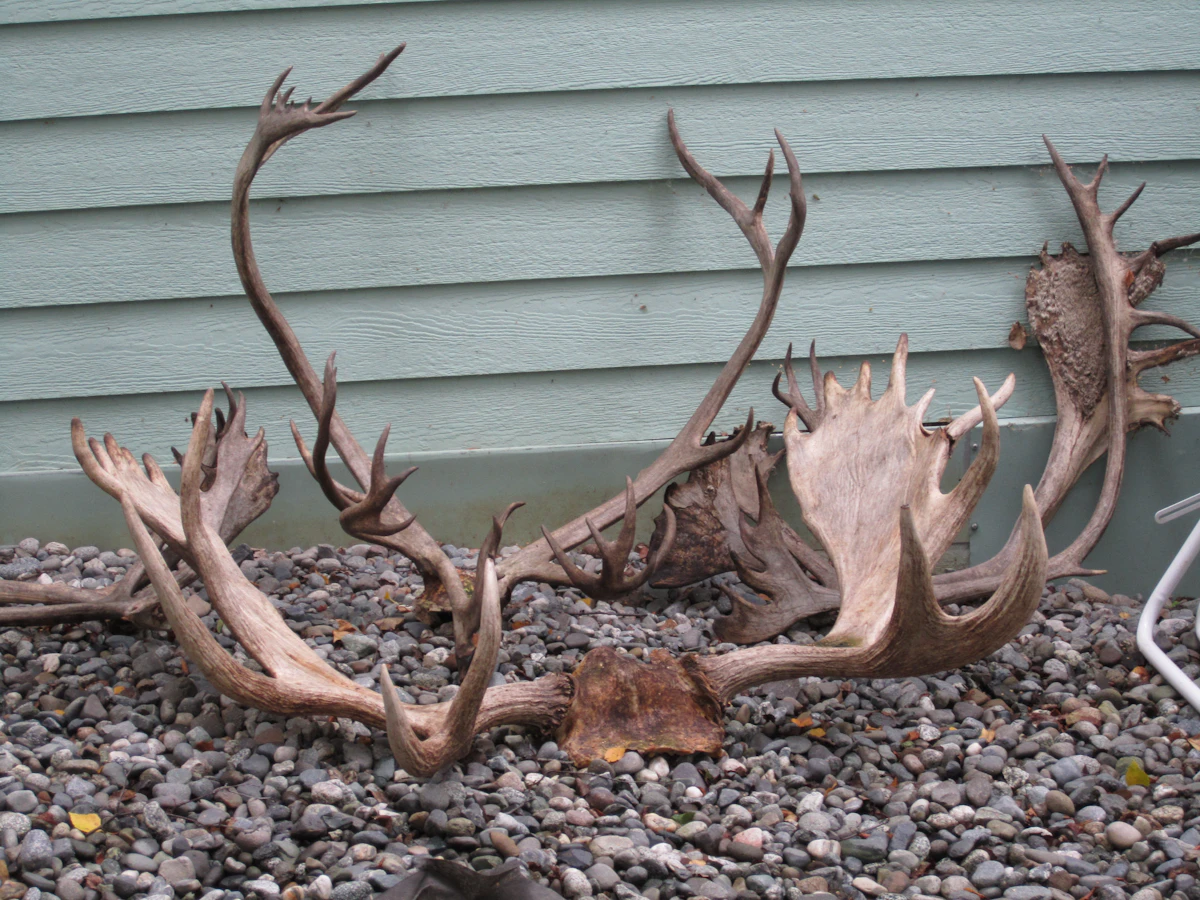
Alaska Guided Caribou Hunts 2027: Costs & Tags

Related

Alaska Nonresident Caribou Draw Odds 2027: Tags & Hunts

Quick Answer: Can Nonresidents Draw Alaska Caribou Tags in 2027? Yes. Nonresidents can apply for eligible Alaska caribou drawing permits, and Alaska does not use bonus or preference points in its drawing system. Every eligible drawing entry is selected randomly. For the 2026–2027 regulatory year, Alaska listed several caribou drawing opportunities available to nonresidents, including: DC001 — Kenai Mountains, Unit 7 DC590 — Units 14A and 14B DC608 — Killey River, Unit 15B DC618 — Fox River, Unit 15C DC826 — Central Alaska Range, Unit 20A, unguided nonresidents DC828 — Central Alaska Range, Unit 20A, guided nonresidents DC923 — Unit 23, nonresidents only The state also provides general-season and registration opportunities under separate regulations. The best 2027 strategy is to identify the exact hunt code, verify nonresident eligibility, compare historical drawing results, and determine whether a draw permit is necessary for the hunt you want.
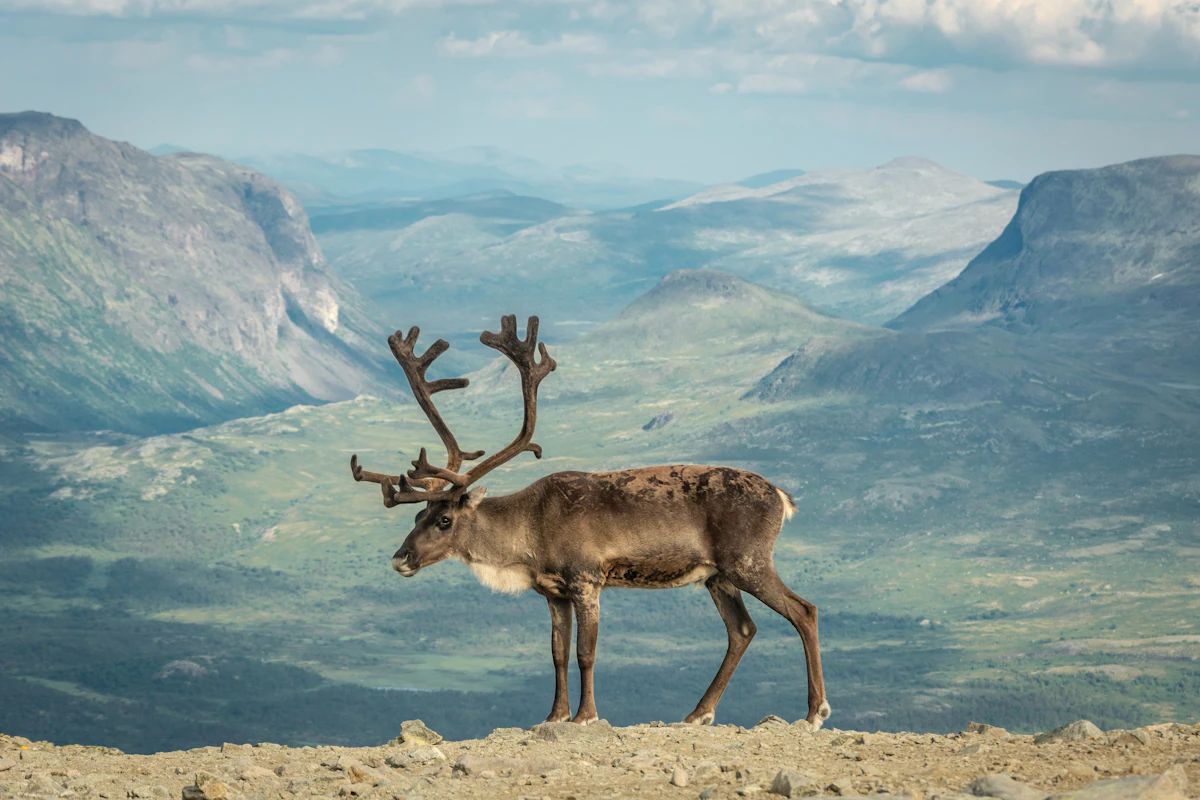
Alaska Nonresident Caribou Draw Odds 2027: Tags & Hunts

Next

Arizona Mule Deer Draw Odds 2027: Tags, Bonus Points & Best Units

Arizona is one of the most sought-after mule deer hunting destinations in the United States. From the legendary Arizona Strip to the Kaibab Plateau and southern Arizona's desert country, hunters can pursue mule deer across dramatically different landscapes. However, drawing an Arizona mule deer tag requires understanding the state's bonus-point system, permit allocations, and hunt-specific application rules. Key takeaways for 2027: Arizona uses a bonus-point system, not a traditional preference-point system, for its big-game drawings. Arizona generally allocates up to 20% of available permits in the bonus-point pass, with remaining permits considered in the subsequent drawing process. Nonresident hunters are subject to permit allocation limits, generally up to 10% of the permits available for a particular hunt. Premium mule deer hunts in the Arizona Strip and Kaibab region can be highly competitive. Some Arizona deer opportunities are available through over-the-counter nonpermit-tag systems, subject to applicable restrictions. The best hunt depends on your bonus-point balance, residency, weapon preference, hunting goals, and willingness to wait. Official 2027 permit numbers, application deadlines, and draw results must be verified with the Arizona Game and Fish Department. TAGZ helps hunters research draw opportunities, compare hunting options, and develop long-term application strategies.
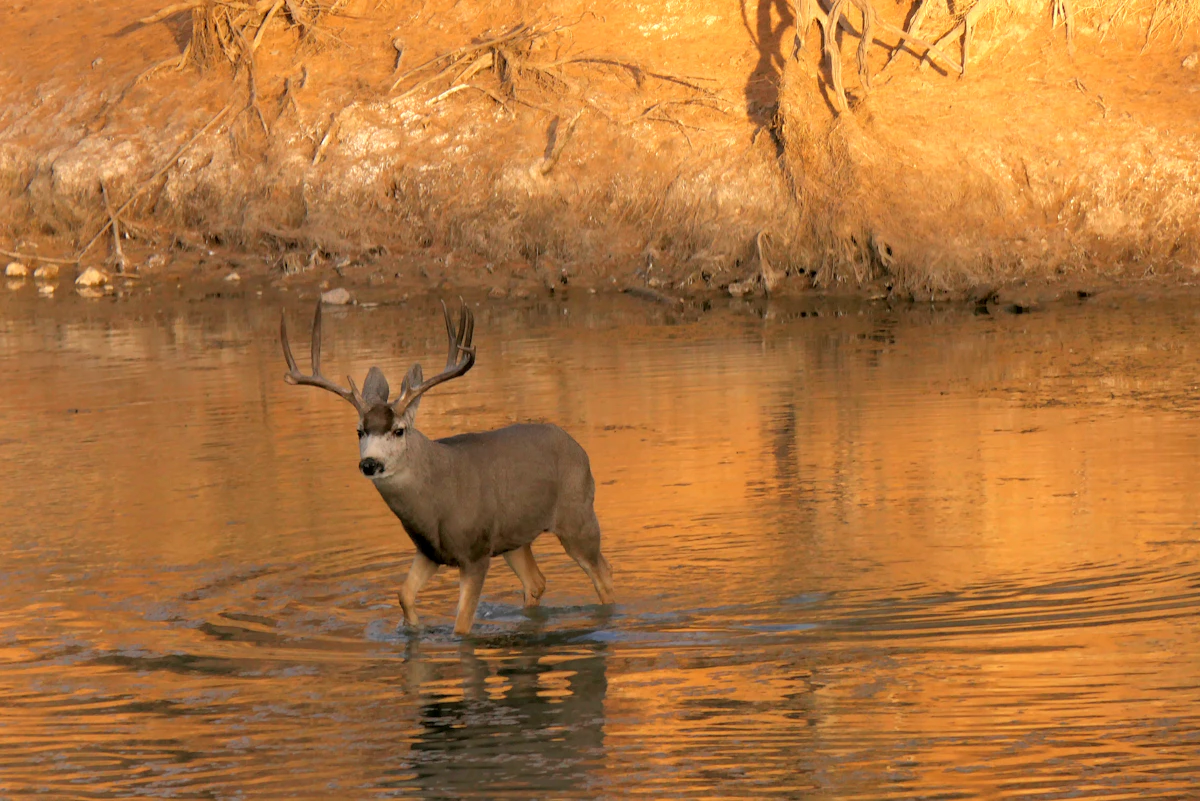
Arizona Mule Deer Draw Odds 2027: Tags, Bonus Points & Best Units











