DIY Public Land Hunting: Real-World Tactics for 2026
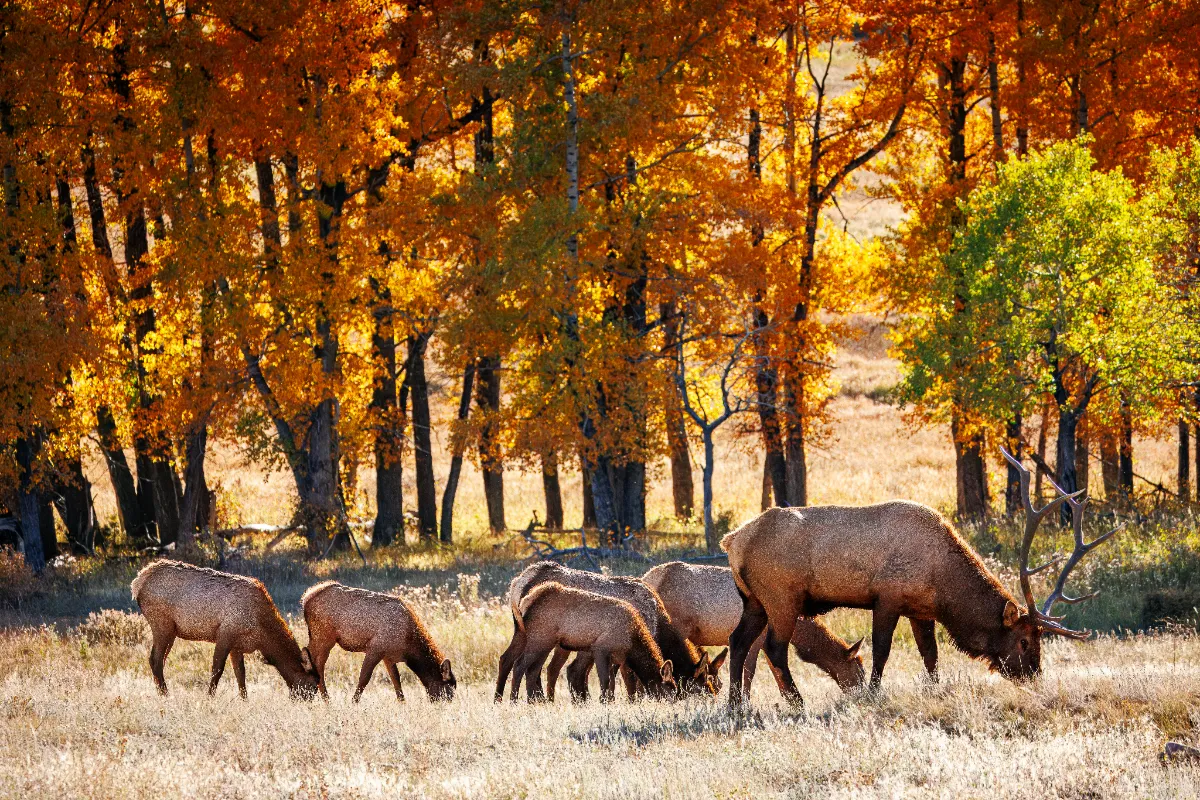
DIY public land hunting in 2026 is still possible, but you need to be adaptable, realistic, and ready to work for every opportunity. The days of stumbling into unpressured elk herds a mile off a major highway are gone in most units. But if you approach your hunt like a chess match instead of a lottery ticket, you can still fill tags.
Why DIY Public Land Still Matters in 2026
Plenty of folks will tell you public land is too crowded now, or that you need private access to get it done. The truth is, public ground remains the backbone of Western hunting. State and federal lands offer millions of huntable acres, but success on those acres takes more than just showing up. If you're willing to scout, adapt, and put in the miles, you’re already ahead of the average hunter.
Navigating Pressure, Terrain, and Access
Understanding Hunting Pressure
Every year, more hunters hit the woods—especially in popular OTC elk and deer units. If you’re hunting opening day near an easy trailhead, expect company. The key is getting away from obvious access points. Sometimes, that means a brutal hike; other times, it’s about slipping into overlooked pockets between roads or behind private land. Pay attention to where other hunters park, glass, and hike. Then zig where they zag.
Breaking Down Terrain
Not all terrain is equal, and animals know where to hide once the pressure starts. Steep, brushy, or burned areas often hold game during rifle seasons when the easy meadows are empty. Don’t ignore small, nasty drainages or pockets with awkward access—these are often overlooked. Use satellite imagery and on-the-ground scouting to find these hideouts.
Public Land Access and Boundaries
It’s on you to know where you can legally hunt. Misreading property lines can ruin your trip, so double check onX, BLM maps, or your state’s mapping resources. Some of the best spots are landlocked or require creative access—think walk-in easements or long hikes from legal points. Always have a backup plan if a gate is locked or a road is washed out.
Scouting and Setting Realistic Expectations
Preseason scouting is a game-changer. If you’re local, get boots on the ground. If not, use digital tools to e-scout, mark water holes, glassing points, and bedding areas. Know that your first plan may fall apart when you show up and find trucks at your trailhead. Adapt and have several backup spots. Expect tough days, lots of miles, and maybe an unpunched tag. But that’s what makes it rewarding.
How TAGZ Simplifies DIY Planning
TAGZ isn’t a magic bullet, but it does make planning a heck of a lot easier. The platform lets you break down draw odds, overlay public land boundaries, and compare units side by side. Instead of sifting through state websites for hours, you get the info you need to make smarter decisions—whether you’re after a low-odds trophy or a high-odds meat hunt.
DIY Public Land Hunting FAQ
Q: Can I really find less crowded areas on public land in 2026?
A: Yes, but it requires effort. Focus on overlooked terrain, mid-week hunts, and access points others ignore.
Q: What’s the best way to e-scout a new unit?
A: Start with satellite imagery, topo maps, and hunt forums. Look for water, cover, glassing knobs, and escape routes. Mark multiple backups.
Q: How do I avoid trespassing on public land?
A: Always confirm boundaries using GPS apps and state mapping tools. When in doubt, don’t risk it.
For more strategies, check out our guides on e-scouting tactics and choosing western hunting units.
Was this article helpful?
Previous
Best Elk Terrain Features: Where to Find Bulls When It Counts
Cut guesswork by dialing in on the terrain elk actually use. Here’s what to look for, how to hunt it, and what most guys get wrong.
Next
Colorado GMU 4 Elk Hunting Guide
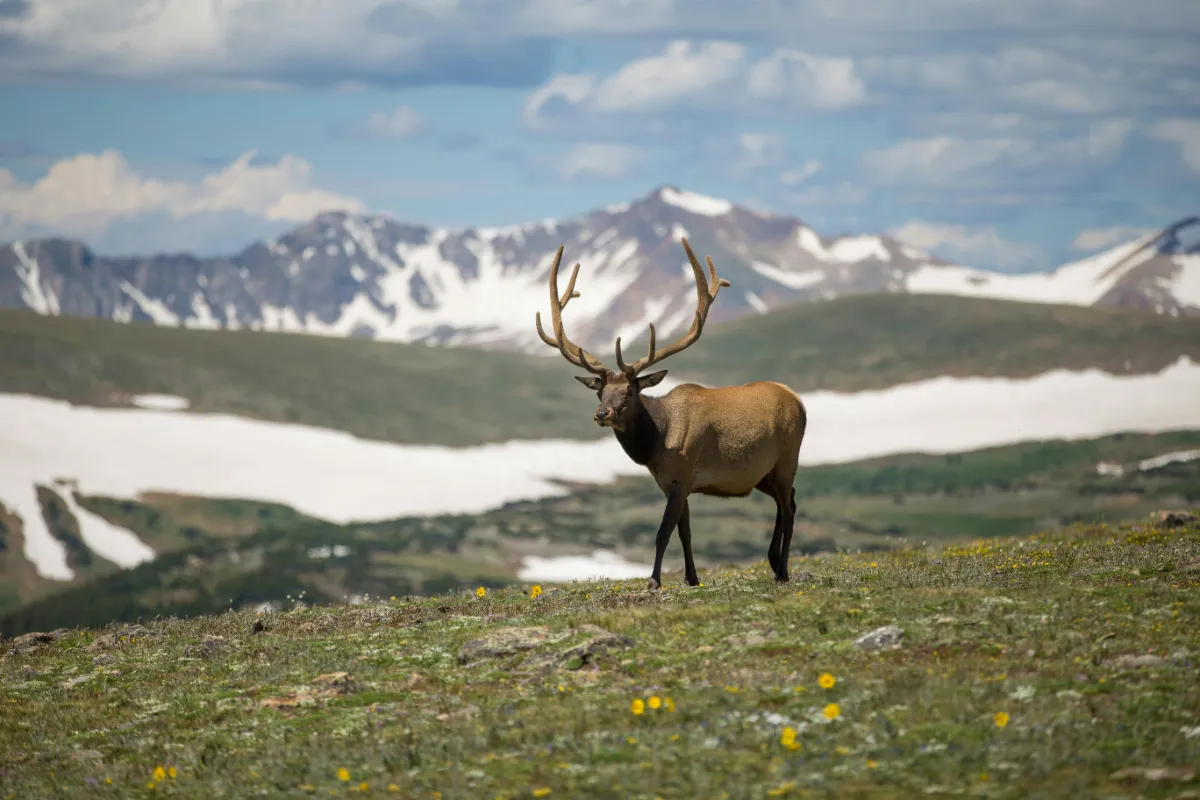
Colorado GMU 4 is an opportunity-style unit where hunters who understand pressure can still find elk without pretending it is secret country. This guide breaks down terrain, access, pressure, scouting, and practical elk strategy so hunters can build a realistic plan before committing time or points.