Arizona Big Game Draw — How It Works (Resident vs Non-Resident) 2026
Introduction
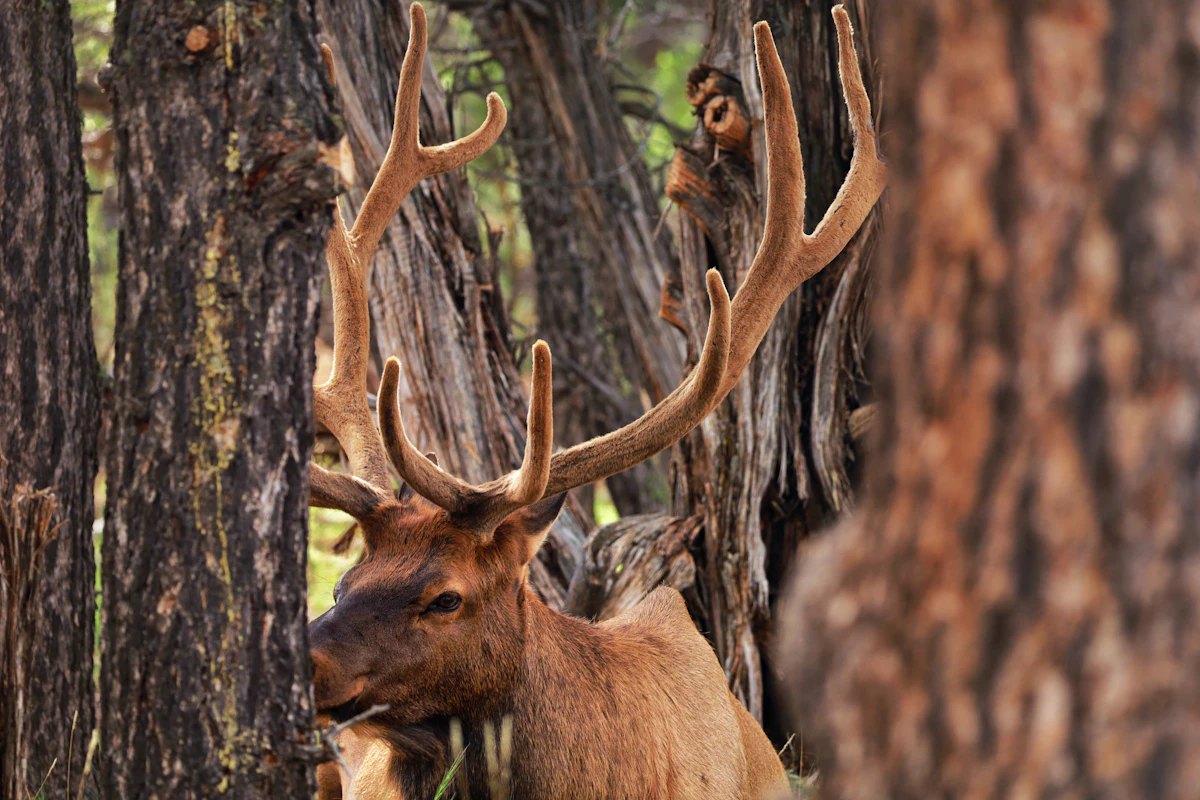
Arizona is one of the top states in the West for trophy elk, mule deer, and pronghorn, but the draw system is not something you figure out by guessing. It’s one of the more complex setups out there, and if you don’t understand how it works, it’s easy to waste years applying without a real plan. Residents and non-residents are both in the same system, but the way tags are allocated makes it a much different experience depending on where you live.
The Basics — Bonus Point System
Arizona runs on a bonus point system. Every year you apply and don’t draw, you gain a point. The more points you have, the more chances you get in the draw.
Your name goes into the draw multiple times based on how many points you have, plus one. So if you have 5 points, you get 6 chances. If you have 10 points, you get 11 chances.
It improves your odds over time, but it never guarantees anything. Even with a lot of points, you can still miss, and even with zero points, you still have a chance.
Tag Allocation — How It Actually Breaks Down
Arizona splits tags into two parts.
The first portion goes to the highest point holders. These tags are essentially reserved for hunters who have built points over a long time.
The second portion is random, but still weighted by bonus points. That means everyone in the draw has a chance, but those with more points have better odds.
This mix is what makes Arizona a true long-term state while still keeping hope alive for newer applicants.
Resident vs Non-Resident Tag Allocation
This is where things start to separate. Arizona limits the number of tags available to non-residents.
Residents get the majority of tags in every unit, while non-residents are capped at a smaller percentage. In high-demand units, that can mean only a handful of non-resident tags are available.
So while the system is technically the same for both groups, non-residents are competing for fewer tags, which makes the draw much tougher.
The “Max Point” Reality
There’s another layer to Arizona that a lot of hunters don’t understand. A portion of the tags go to the highest point holders before the random draw even happens.
That means if you’re not close to max points, you’re not even competing for those tags. You’re only in the random portion.
This is why Arizona can feel like two different systems at once. One for long-term point builders, and one for everyone else hoping to get lucky.
Applying as a Group
Arizona allows group applications, but it works differently than some other states. The group goes into the draw based on the average number of points across all members.
If one hunter has a lot of points and another has very few, it can pull the group’s average down and hurt your odds.
If the group draws, everyone gets a tag. If not, no one does.
Group applications can work well if everyone has similar point levels, especially for mid-tier units. But for high-demand hunts, they can make things harder if points aren’t close.
Point Creep and Long-Term Reality
Arizona is a long game, especially for elk and pronghorn. Point creep is real, and the number of applicants keeps growing every year.
That means the number of points needed for top-tier units continues to climb. If you’re chasing those units, you’re committing to a long-term plan whether you realize it or not.
Strategy — How to Use Arizona the Right Way
The smartest way to approach Arizona is balance. Apply for top-tier units if that’s your goal, but understand you’re likely in it for the long haul.
At the same time, look at mid-tier or lower-demand units where your odds are more realistic. That gives you a chance to actually draw something while still building points.
Because of the random portion of the draw, it always makes sense to stay in the system. You never know when it might hit.
Common Mistakes
One of the biggest mistakes is thinking bonus points guarantee a tag. They don’t. They just improve your odds.
Another mistake is only applying for top-tier units without considering how long it might take to draw. That’s how hunters end up waiting decades without adjusting their plan.
Group applications can also hurt more than help if point levels are far apart.
Final Thoughts
Arizona is one of the best states in the West for trophy potential, but it’s also one of the longest plays. Residents have better access to tags, while non-residents are working with tighter limits and tougher odds.
If you understand how the system works and stay consistent, Arizona can pay off. But if you rely on it as your only plan, you’re probably going to spend more time waiting than hunting.
Was this article helpful?
Previous
Best Mule Deer Units You Can Draw With 0–Low Points Across the West (2026)
You can draw solid mule deer units with 0–3 points across states like Colorado, Wyoming, Idaho, and Montana. The key is focusing on opportunity, not hype, and hunting consistently.
Next
Best Elk Units You Can Draw With 0 Points (2026)
You can draw quality elk units with zero points across states like Colorado, Idaho, Wyoming, and Montana. The key is focusing on opportunity over hype and hunting smart.