Best Mule Deer Units in Arizona (2026) — Where the Big Bucks Actually Come From
Introduction
Arizona mule deer is all about a few key areas. This isn’t a state where every unit has trophy potential. The difference between average and top-end units is massive, and if you’re applying without knowing where the real quality comes from, you’re basically guessing. The good news is it’s pretty clear where the best mule deer in Arizona live, and once you understand those areas, you can build a real strategy around them.
Arizona Strip — Units 13A & 13B
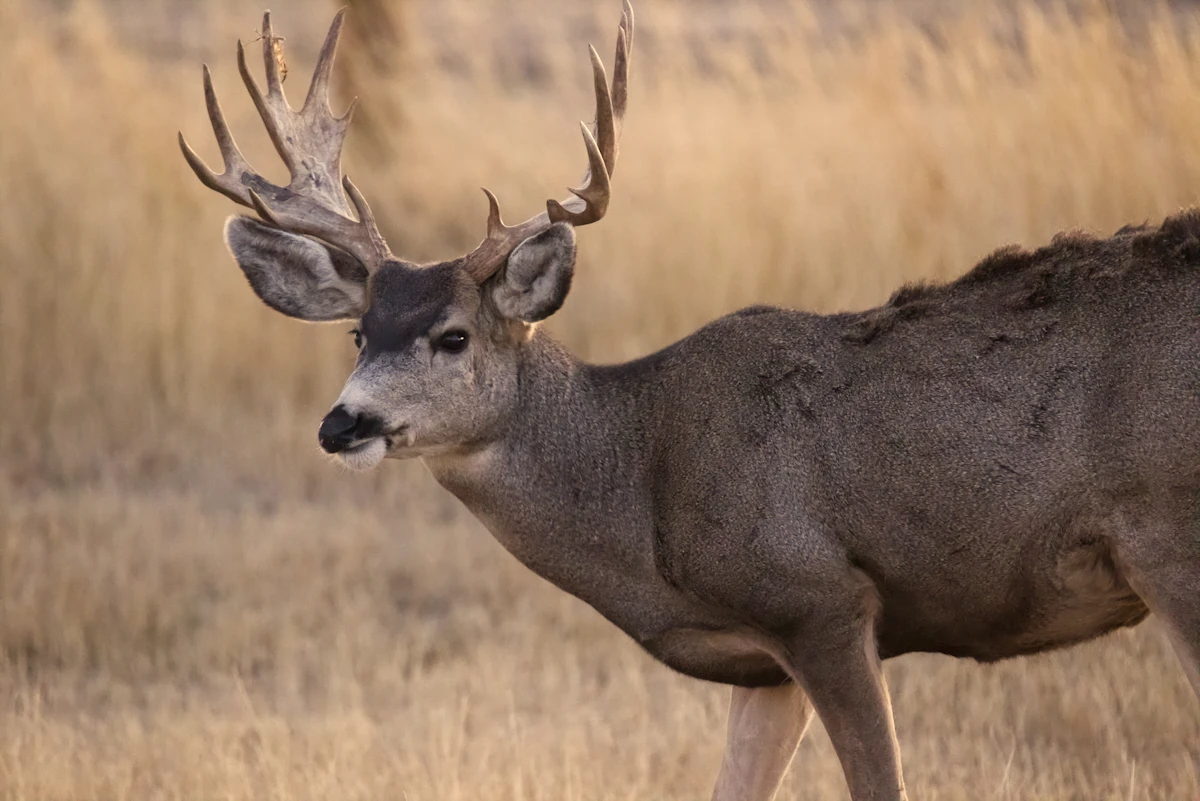
If you’re talking about the best mule deer units in Arizona, it starts here. Units 13A and 13B on the Arizona Strip are some of the most famous mule deer hunts in the country. These units consistently produce bucks in the 180–200+ inch range, and every year there are deer taken that push even higher.
The terrain is open, the genetics are strong, and the tag numbers are extremely limited. That combination allows bucks to reach older age classes, which is what makes the Strip what it is.
The downside is simple, these are some of the hardest mule deer tags to draw anywhere. This is a long-term play no matter who you are.
Kaibab — Units 12A West & 12A East
Right behind the Strip is the Kaibab. Units 12A West and 12A East offer a different style of hunt but the same level of potential in the right year.
The Kaibab has more timber and varied terrain compared to the Strip, but it still produces giant bucks. In years with good moisture, these units can rival the Strip in terms of size.
These tags are also very hard to draw, but slightly more attainable than the Strip depending on the year and season.
Units 3A & 3C — The Sleeper Giants
Units 3A and 3C don’t always get the same attention, but they should. These units have produced some very good bucks over the years and can be a little more realistic than the top-tier options.
They offer a mix of terrain with enough cover and feed to grow solid deer. You’re not getting the same consistency as the Strip or Kaibab, but the upside is there, especially if conditions are right.
Unit 27 — Quietly Solid
Unit 27 is another one that flies under the radar. It doesn’t have the same reputation, but it holds good deer and sees less attention than the big-name units.
This is a more rugged unit with a mix of country, and that helps bucks get older. It’s not known for producing giants every year, but there are always good bucks if you’re willing to put in the work.
Units 22 & 23 — Mid-Tier Opportunity
Units 22 and 23 are more mid-tier options. These units offer decent deer numbers and a chance at a solid buck without waiting forever.
You’re not in top-tier trophy country, but these units can produce good hunts and are more realistic depending on your strategy.
Units 12B & 12A South — Overlooked Options
These units sit around the Kaibab region but don’t get the same attention. That alone makes them interesting.
They don’t have the same consistency for giant bucks, but they still hold deer and can offer a quality hunt with less pressure.
Desert Units — Different Style of Hunt
Southern Arizona desert units offer a completely different mule deer hunt. Bucks here are usually smaller on average, but the terrain is open and glassing is the name of the game.
These units are more about opportunity than trophy potential, but they can still be a good way to hunt Arizona more often.
Resident vs Non-Resident Reality
The best mule deer units in Arizona are the same for everyone, but access to tags is not.
Residents have a clear advantage with more tags available and better overall odds. Non-residents are limited to a smaller number of tags, which makes drawing top units like the Strip and Kaibab extremely difficult.
That’s why most non-residents treat Arizona as a long-term play while hunting other states more regularly.
Strategy — How to Approach Arizona Mule Deer
If your goal is a true trophy, the Strip and Kaibab are where you focus. But you need to understand you’re likely in it for the long haul.
If you want a more realistic chance to draw and still hunt quality deer, units like 3A/3C, 27, and some mid-tier options make more sense.
The smartest approach is to stay consistent, build points, and adjust expectations based on how long you’re willing to wait.
Final Thoughts
Arizona mule deer is one of the best trophy opportunities in the country, but it’s not a quick turnaround state. The best units are limited, and demand is high.
If you understand where the real quality comes from and stay in the system, it can pay off. But you have to be willing to play the long game.
Was this article helpful?
Previous
How Long It Takes to Draw an Elk Tag: Why It’s Not What You Think
Elk tag draw times range from one year to decades. Flexible hunters can hunt often, while top-tier units require long-term commitment.
Next
How to Plan a DIY Western Hunt: Stop Overthinking and Just Build It
Pick a state you can draw, choose a realistic unit, plan your access, and keep your gear simple. A successful DIY hunt is built on execution, not perfection