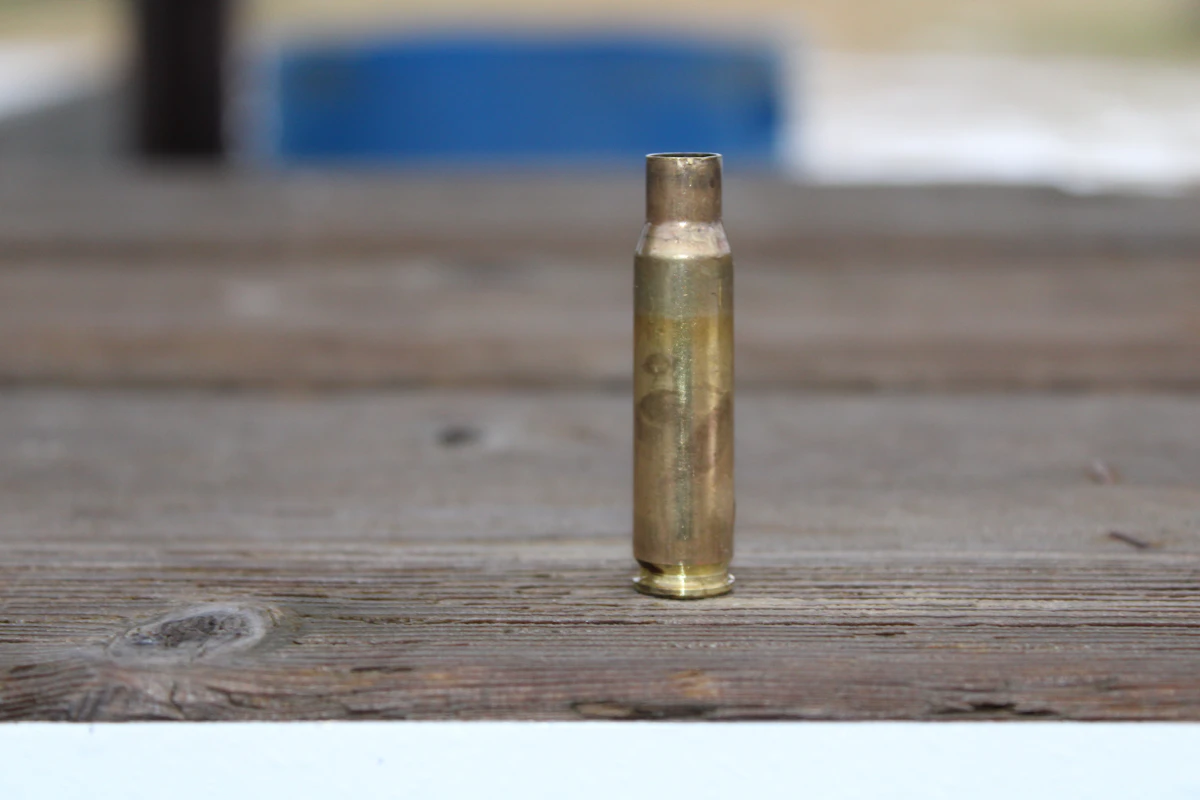
Wind Strategy for Elk Hunting: Hard Truths and Practical Tactics
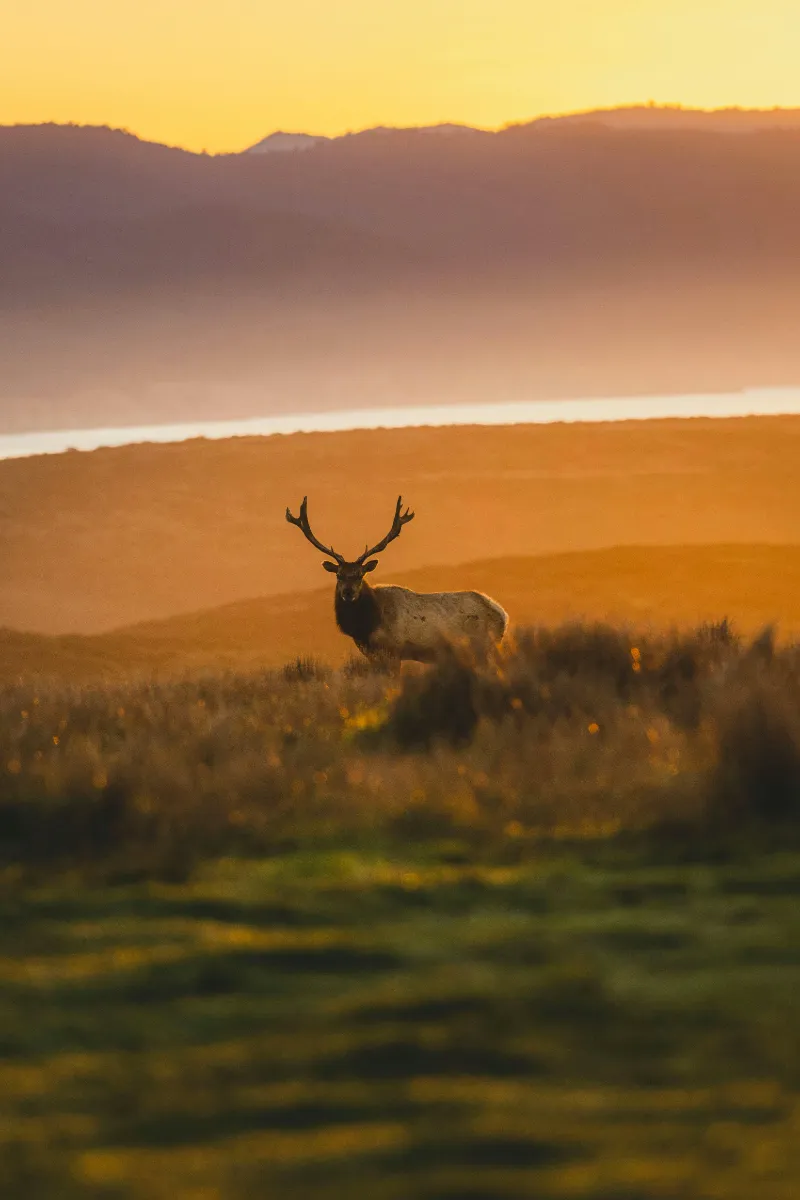
The short answer—if you ignore the wind on an elk hunt, you’re asking for tag soup. Doesn’t matter if you’re bowhunting in September or chasing late-season bulls with a rifle. Elk trust their noses more than their eyes or ears, and if they wind you, it’s game over.
Why the Wind Always Wins: Elk Noses and Mountain Realities
If you’ve hunted elk for more than a day, you’ve probably had a close call ruined by a swirling breeze. Elk live and die by their sense of smell. They’ll stand still for movement or noise, but if your scent drifts to them, they’re gone. Western terrain makes wind tricky—morning thermals run uphill, but as the sun rises or clouds roll in, everything can change in minutes.
Mountain Thermals vs. Prevailing Winds
Thermals are those daily up-and-down air currents caused by temperature changes. In the morning, cool air sinks, so wind moves downhill; by late morning, rising temps push air uphill. On top of that, you have prevailing winds that can be totally different. Learning to read both is key.
Scouting, Terrain, and Pressure: Reading the Wind Where Elk Live
Every mountain basin and timber patch has its own wind quirks. Thermals in a north-facing draw might lag an hour behind a sun-baked south slope. In the afternoons, wind can funnel through saddles or along creek bottoms. The more time you spend glassing and hiking, the more you’ll notice these patterns.
Hunter pressure also matters. If elk get bumped, they may move to shadowy, wind-protected places where scent pools. Sometimes the best wind for you is also the easiest for other hunters to use, so don’t expect to have a perfect setup every day.
Practical Wind Strategies for Real Elk Hunts
- Check wind constantly. Carry a puffer bottle or milkweed. Don’t guess—know what the wind is doing every 10 minutes.
- Plan your approach with wind in mind. If you spot elk, don’t rush. Figure out the wind, including what might change in the next hour. Thermals almost always shift mid-morning and late afternoon.
- Use terrain to your advantage. Ridges and benches give you options. Drop low if the wind is going down, or climb above if it’s rising. Use dark timber for cover when the wind gets swirly.
- Never cross a meadow with a bad wind. Even if it’s the fastest route, take the long way. Bulls don’t wait for you to get it right.
Realistic Expectations: The Wind Will Beat You Eventually
Even with the best plan, sometimes the wind will shift or swirl for no reason. That’s mountain hunting. Don’t get discouraged. If elk bust out, back off and watch where they go. Sometimes you get another chance down the ridge.
How TAGZ Can Help You Plan Wind-Smart Hunts
TAGZ can help you break down terrain and access points on your hunt units so you can plan routes that work with the wind, not against it. Use the mapping and draw odds tools to find spots where you can approach from above, or where pressure pushes elk into wind-safe pockets. It won’t guarantee success, but it stacks the odds a little more in your favor.
Elk Wind Strategy FAQ
How do you check the wind on a hunt?
- Use a wind checker (puffer bottle) or toss grass or milkweed. Repeat often.
What’s more important—thermals or prevailing wind?
- Both. Thermals dominate early and late in the day; prevailing wind can override thermals in open areas or big storms.
Can you outsmart elk noses with scent control?
- Don’t rely on sprays or gimmicks. The only thing that works is staying out of their wind.
For more practical tips, check out How to Pick a Good Elk Unit in Colorado and Bowhunting Elk: Tactics for High-Pressure Units.
Was this article helpful?
Previous
OTC Elk Hunting Strategy: Real-World Tips for Western Hunters
Breaking down honest, boots-on-the-ground OTC elk hunting strategy—from terrain and pressure to realistic expectations and smart planning.
Next
7 PRC vs 7mm Rem Mag for Elk Hunting | Which Cartridge Is Better?
The 7mm Remington Magnum remains one of the most proven elk cartridges ever made, while the 7 PRC offers modern design advantages and exceptional long-range performance. Both are excellent choices for western hunters.