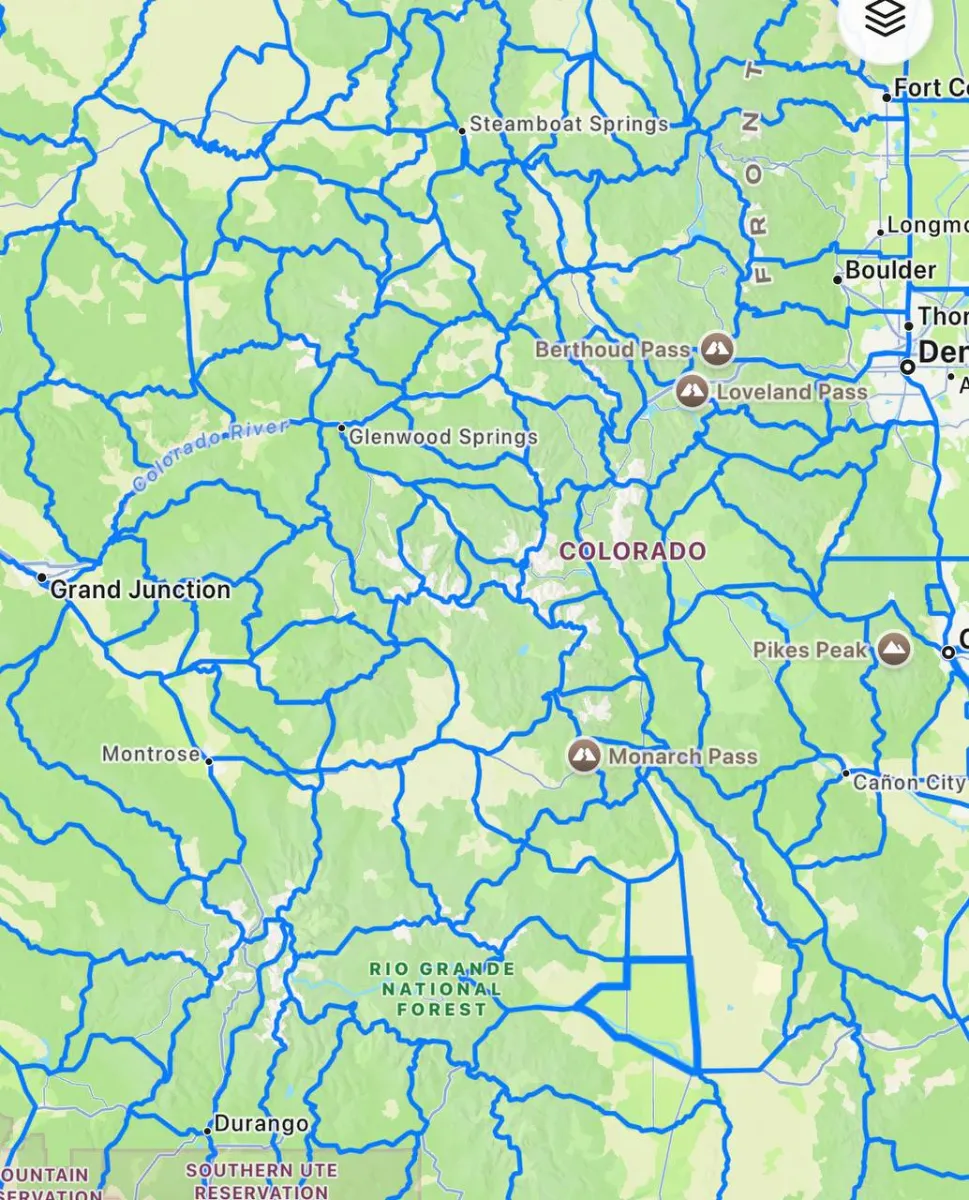
Planning a Western Hunt
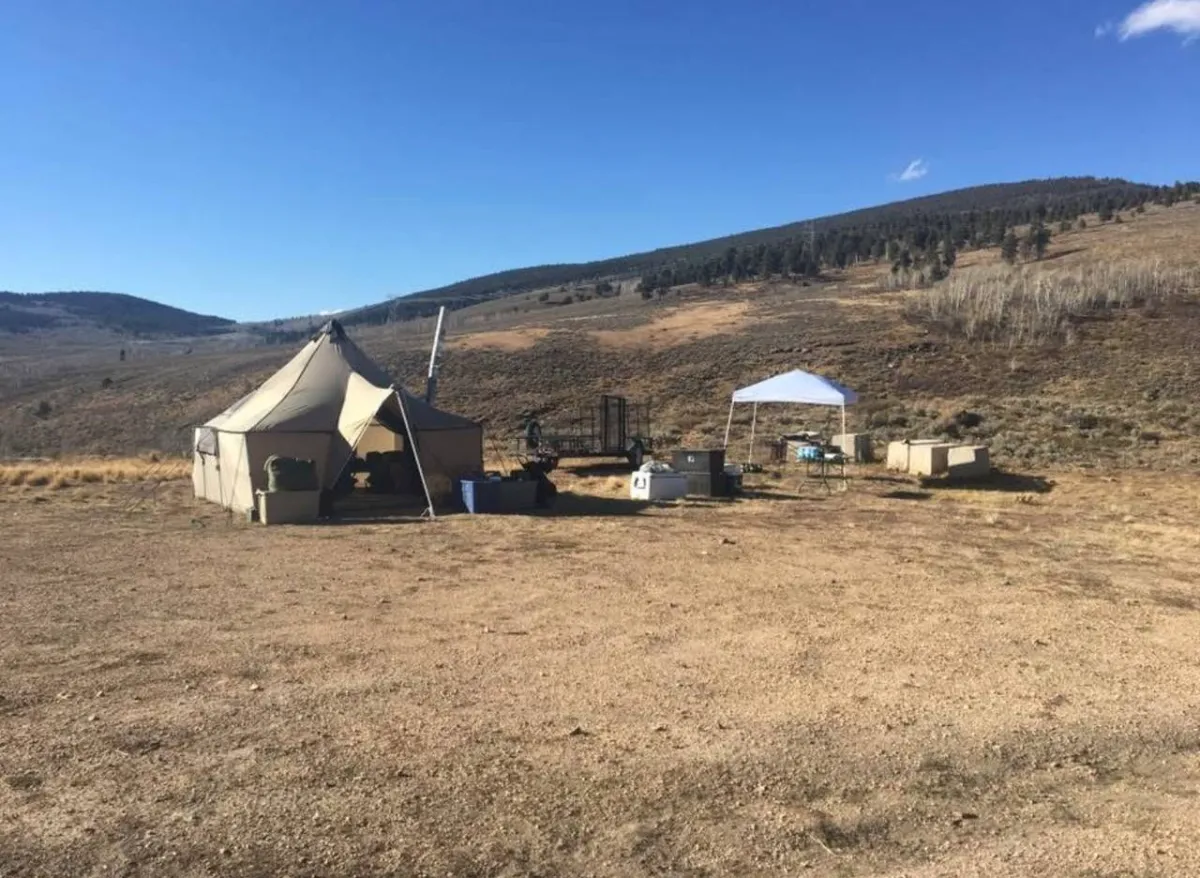
Start simple and build a system
Planning a western hunt doesn’t need to be complicated, but it does need to be intentional. The biggest difference between guys who hunt every year and the ones who don’t is having a plan across states, not just one application and hope.
Step one — define your goal
Before you do anything, decide what you actually want. Are you trying to hunt every year, or are you chasing a once-in-a-lifetime tag? Those are two completely different strategies. If your goal is consistency, you need to focus on opportunity. If your goal is a top-tier hunt, you’re committing to a longer timeline.
Step two — pick the right states
You should always be applying in a mix of states. Opportunity states like Colorado, Idaho, and New Mexico give you a chance to hunt now. Point states like Wyoming, Arizona, Utah, and Nevada are where you build toward future hunts. This balance is what keeps you hunting while still working toward better tags.
Step three — understand the draw systems
Not all states work the same. Some are preference point systems, some are bonus systems, and some are random. Knowing how each one works changes how you apply. If you treat them all the same, you’ll waste time and money.
Step four — build your application plan
This is where everything comes together. Decide what hunts you’re applying for in each state, what your backup options are, and how much you’re willing to spend. You should have a clear plan before deadlines hit so you’re not making rushed decisions.
Step five — have a backup plan
The draw should never be your only option. If you don’t draw, you should already know your next move. That could be leftover tags, secondary draws, OTC opportunities, or even private land tags. Hunters who stay consistent always have a backup plan.
Step six — plan logistics early
Once you have a hunt lined up, start planning access, travel, and gear early. Where you’re staying, how you’re getting into the unit, and how you’re moving through it matter more than most people think. Waiting until the last minute creates problems you don’t need.
Step seven — keep it repeatable
The goal isn’t just one hunt—it’s building a system you can repeat every year. Once you dial in your states, applications, and backup plans, the process becomes easier and more consistent.
Where people go wrong
A lot of hunters either overcomplicate everything or don’t plan at all. Some rely on one state and hope it works out. Others don’t think about backup options until it’s too late. And a big one—people don’t adjust as systems change.
Final thought
Planning a western hunt isn’t about finding the perfect tag—it’s about building a system that keeps you in the field. The hunters who do it right aren’t lucky, they’re consistent.
Was this article helpful?
Previous
What to do if you don’t draw a hunting tag
Not drawing a tag isn’t the end. Leftovers, secondary draws, and alternative options keep you hunting if you act fast and stay flexible.
Next
OTC Alternatives Explained
OTC elk tags are shrinking due to pressure, but opportunity still exists through draws, leftovers, and flexible strategies across multiple states.