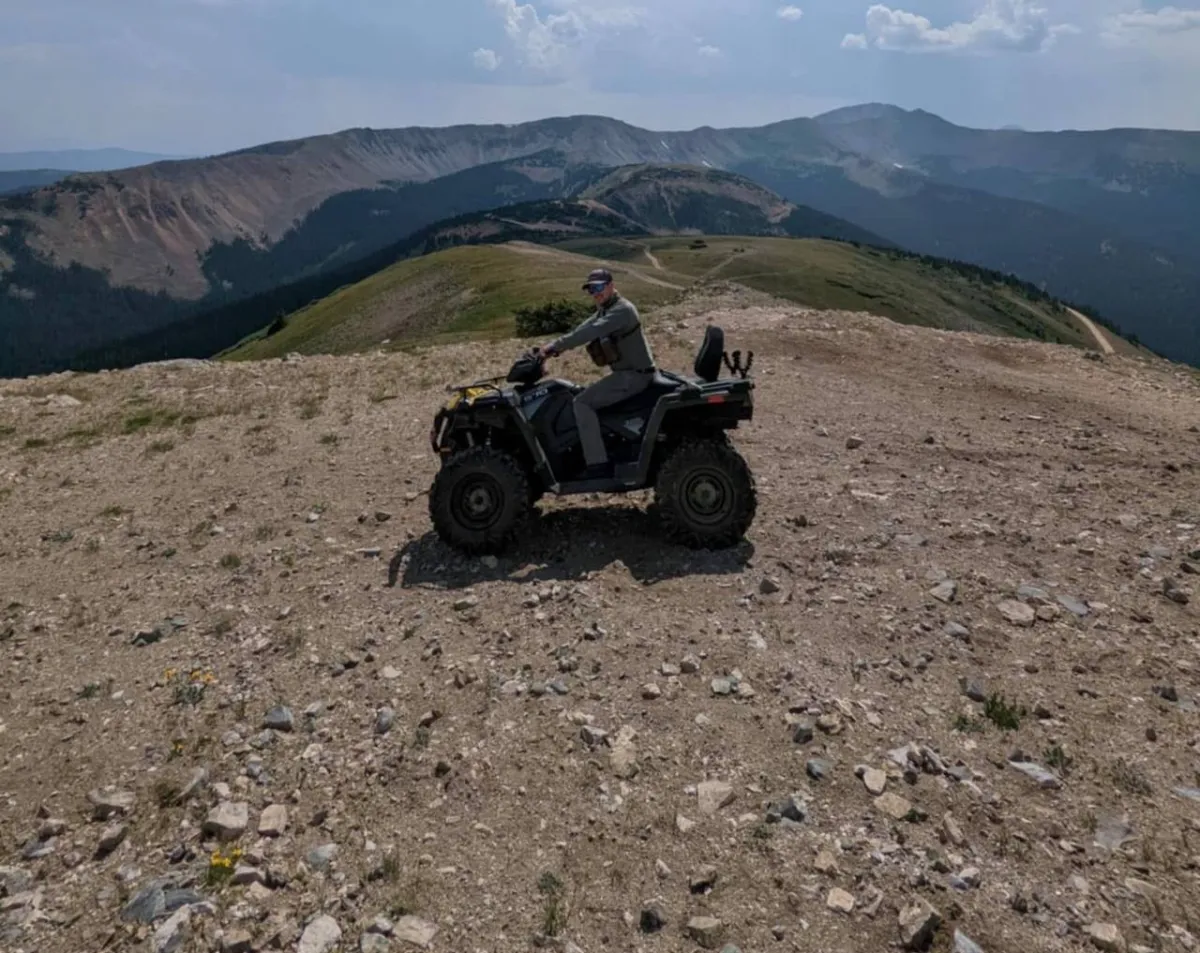
Easiest Western Hunts to Draw: Why Most Hunters Miss Them
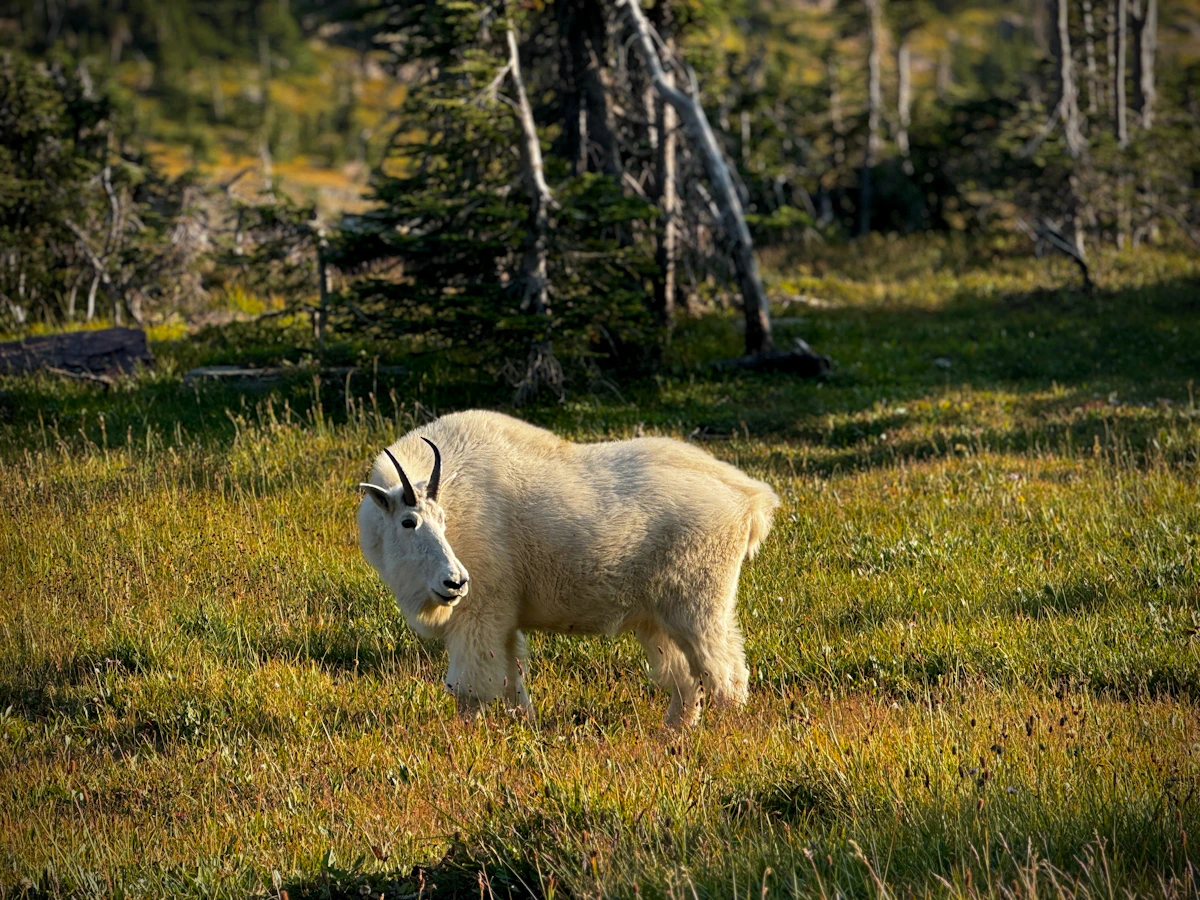
Everyone wants an “easy” tag. Something they can draw quick, get out West, and make it happen.
That’s not where most guys look though.
They go straight to the units they’ve heard about. Big names, big animals, tons of attention. Then they wonder why they never draw. The more something gets talked about, the harder it gets—every time.
That’s just how demand works.
The real opportunity isn’t in those units. It’s in the ones people overlook. The ones that don’t get posted about, don’t show up in every video, and don’t carry that “top-tier” label.
That’s where tags are still realistic.
If your goal is to hunt, not just sit in the system building points, there are still a few states that give you a real shot. Colorado is still one of the main ones. It’s changed, no question, but there are still plenty of units you can draw without waiting forever—if you’re willing to step away from the popular areas.
Idaho works differently, but it still gives you a chance. No point system, no waiting in line. You apply, and you either get it or you don’t. Same with New Mexico. No points, just a straight draw every year.
You’re always live in those states.
That matters more than most people realize.
Where most hunters mess this up is ignoring the middle. Everyone wants top-tier, but that’s where the longest waits are. The easiest hunts to draw live in that mid-tier range—units that don’t get much attention but still hold animals.
They’re not flashy, but they work.
Good numbers, less pressure, better odds. You might not be chasing a record-book animal, but you’re actually in the field gaining experience. That’s what builds momentum.
That’s what most guys are missing.
Timing is another piece that gets overlooked. Same unit, different season, completely different odds. Early archery hunts during the rut? Everyone wants them. That’s where demand stacks up.
Late rifle hunts? Different story.
Conditions are tougher. Animals act different. Fewer people apply. That’s where odds start to open up. If you’re willing to deal with that trade, you can get into the field a lot faster.
Flexibility is what creates opportunity.
The biggest thing to understand is that “easy” doesn’t mean guaranteed. That doesn’t exist anymore, especially as a nonresident. Everything still comes down to how many people apply and how many tags are available.
All “easy” really means is better odds than everything else around it.
That’s it.
The way to make this work is building a system, not chasing one tag. You want a mix. Opportunity states where you can draw more often, and long-term states where you’re building toward something better.
That way you’re not stuck waiting.
You’re hunting now while something bigger builds in the background.
The guys who stay consistent aren’t lucky—they’re structured. They’ve got multiple paths every year, not just one shot that either hits or misses.
That’s how you avoid losing seasons.
Where people go wrong is predictable. They chase hype instead of opportunity. They apply for the same units everyone else is applying for. Or they refuse to adjust—won’t change season, won’t change units, won’t lower expectations.
That’s what keeps them out of the field.
At the end of the day, the easiest hunts to draw aren’t the ones people talk about. They’re the ones people skip over.
If you’re willing to hunt those, you can get out West a lot sooner than most.
And once you start going, everything gets easier from there.
Was this article helpful?
Previous
Best OTC Mule Deer Hunts
Best OTC Mule Deer Hunts breaks down realistic mule deer planning around terrain, access, pressure, scouting, and hunter behavior so TAGZ readers can build a practical western hunt plan instead of chasing hype.
Next
How to Scout a Western Hunt: Finding Elk Before the Season Starts
Scouting a western hunt is about understanding terrain, access, and pressure—not just finding animals. Learn the unit early, drive roads, and build a plan before season.